Why Bochum is the Perfect City for Connoisseurs
Why Bochum Can Be a Perfect City for Connoisseurs in the Coming Years
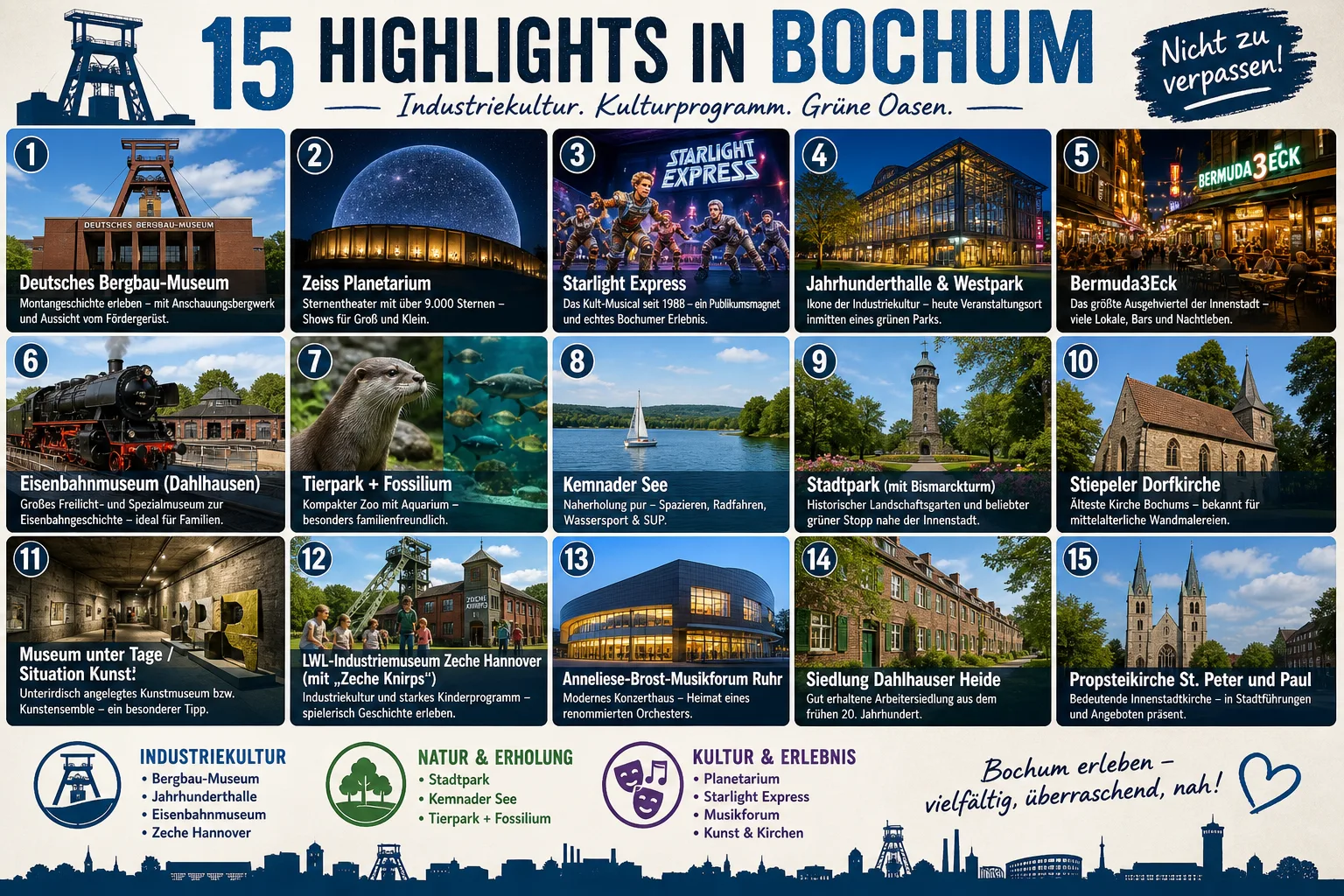
In the coming years, Bochum aims to visibly work on better connecting urban life, culture, green spaces, and an everyday-friendly mobility offering. If you are planning your next indulgence break (weekend or short trip), it’s worth looking ahead: many measures and programs are aimed at making being outdoors, discovering, and lingering in the city easier and more attractive.
Culture & Leisure: How to Plan Indulgence Experiences for 2026+
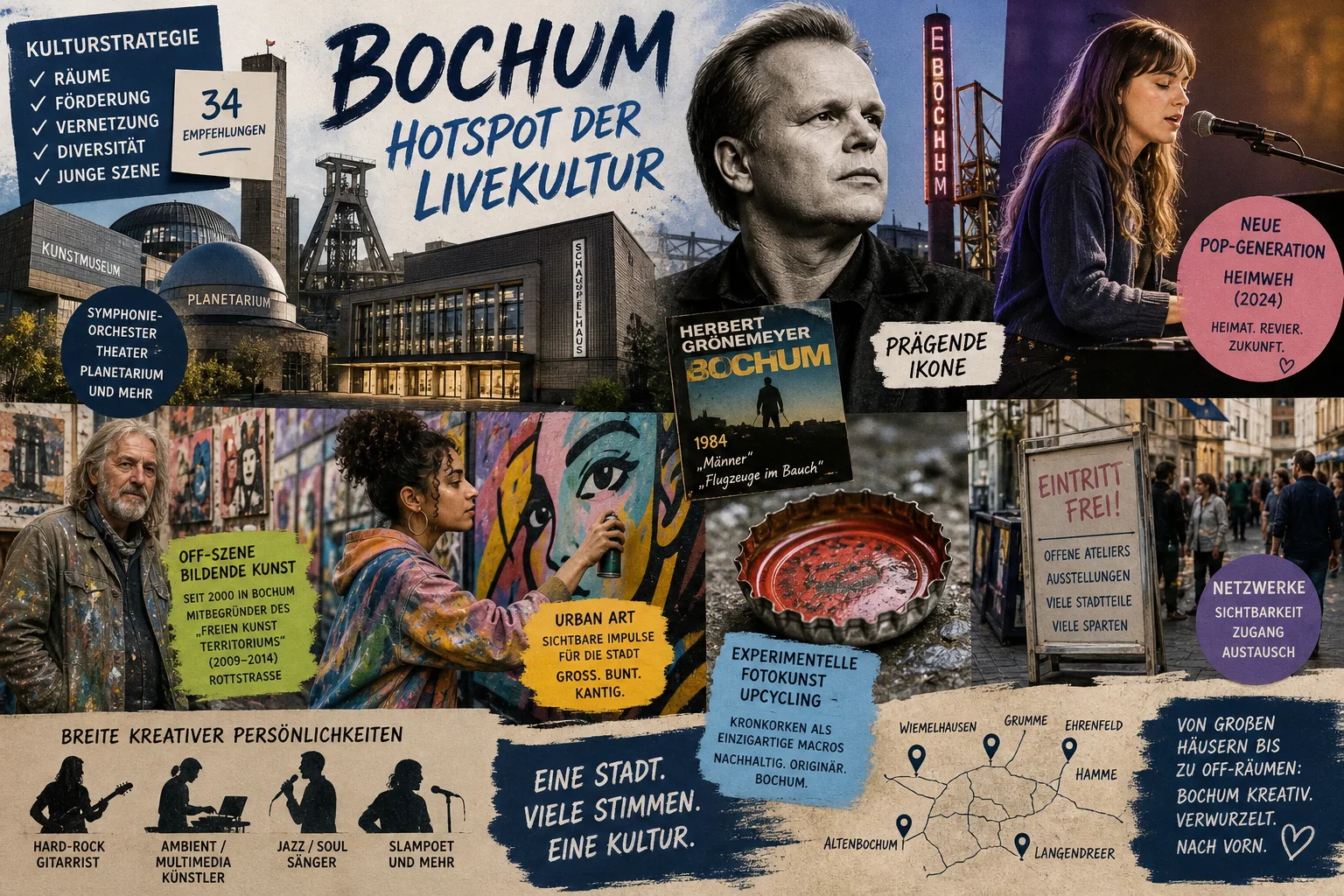
In the coming years, you can expect a broad range of cultural and leisure offerings in Bochum, drawing from major venues, neighborhood programs, university proximity, and an active scene. To keep your planning reliable, a “triad” of official and well-maintained sources is worthwhile:
- Official event calendars (city/region): for dates, locations, accessibility info, and last-minute changes.
- Venue websites: for program details, ticket info, admission times, and information on getting there/box office.
- Public transport apps/association info: for the most realistic planning in the evening or on weekends.
An indulgence weekend can be put together flexibly: a cultural highlight (e.g., theater, concert, cinema), combined with “small” indulgence breaks (café, bakery, ice cream parlor, bar) and a green block (park, walking path, viewpoint). It’s precisely this combination that makes a city a place where you don’t just consume, but experience quality time.
Living & Budget: Why Planning Security Makes Indulgence Easier
Indulgence also has a budget side: those who can calculate travel, everyday life, and leisure well decide more relaxedly. For the coming years, in many cities: costs (e.g., for housing, energy, mobility) remain an issue, and that’s exactly why transparency is gaining importance.
If you are considering Bochum as a place to live or visit, you can create a solid basis for future decisions by regularly and comparably checking:
- Rental and real estate market reports (e.g., municipal or statewide publications)
- Mobility costs (subscription models, day tickets, parking fees)
- Leisure costs (admission prices, combination tickets, discounts for students/families)
This turns a “gut feeling” into a decision with substance: more leeway where you really feel it – when going out, at culture, and in the small routines that make a stay special.
Downtown in Transition: From Transit Area to Urban Living Room
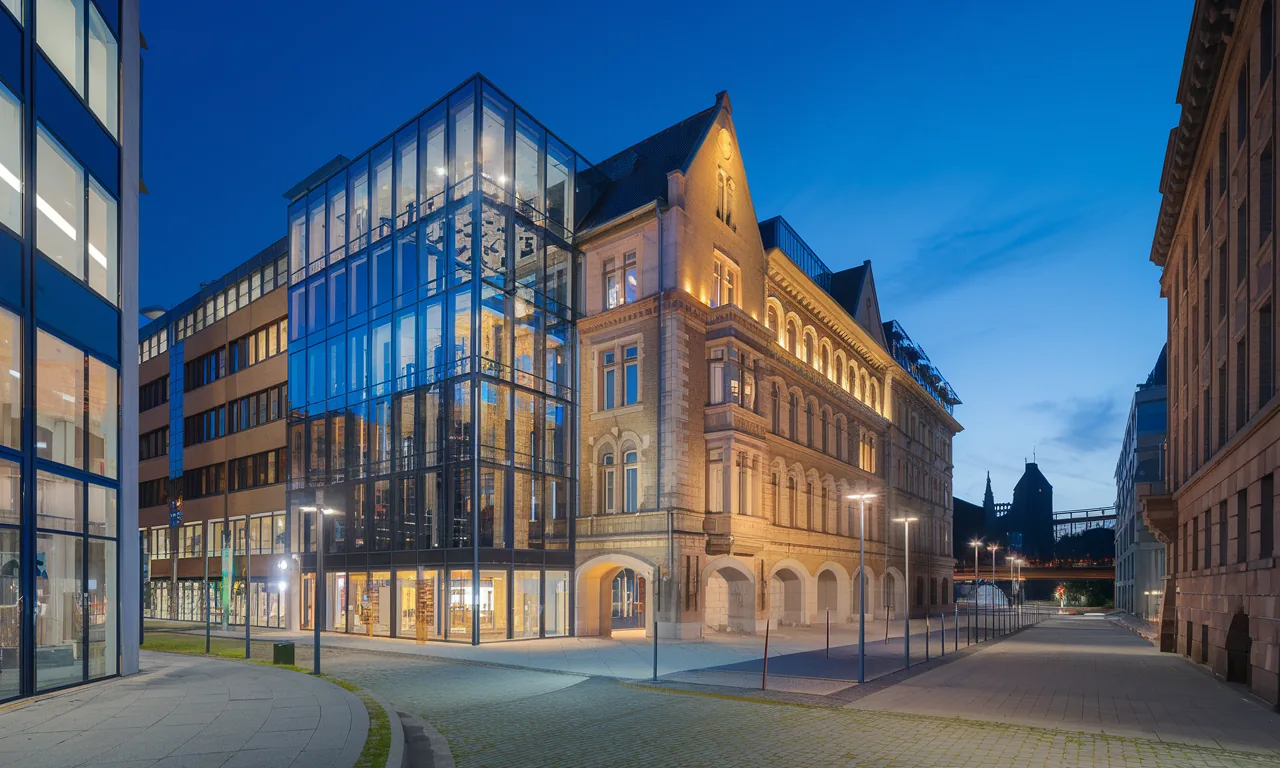
In the next few years, Bochum’s downtown (like many city centers in Germany) is to function more as a space for staying and experiencing: less pure shopping focus, more mix of gastronomy, culture, services, work, and – where appropriate – living. For connoisseurs, this development is central because it makes the city “between appointments” better: places where you like to sit, paths you like to walk, and corners you consciously seek out.
Typical measures that cities bundle in programs for this are:
- More seating and lingering options (benches, small squares, shaded areas)
- Green and urban climate elements (trees, unsealed areas, water/shade providers)
- Interim uses and actions (pop-ups, cultural formats, temporary stay areas)
- Better routing between public transport hubs, cultural venues, and gastronomy clusters
For your future visits, this means: Don’t just plan “the one place,” but a walkable experience. When city spaces are designed for lingering, enjoyment arises not only at the destination but on the way.
Mobility & Infrastructure: Shorter Routes as a Goal
Indulgence often begins with the question: “Can I get there and back relaxed?” In the coming years, measures for an everyday-friendly mix of public transport, cycling and walking, and (where necessary) car connections will remain important in cities. Bochum benefits in perspective from its location in the Ruhr area: for trips to neighboring cities, well-coordinated connections are a real added value if you want to combine culture, gastronomy, and special places.
So that mobility is truly “enjoyable” for you as a visitor, these planning principles help:
- Choose accommodation so that you are not dependent on rare connections in the evening.
- One main cluster per day (downtown or a district) and only one targeted change.
- Check the return trip first (late connection, night bus, alternatives), then fix the program point.
Green Districts & Sense of Community: More Quality of Stay in Neighborhoods
In the coming years, the quality of stay in neighborhoods will strongly depend on how well districts connect “everything necessary” within reach: green spaces, safe paths, sports and play facilities, local supply, and meeting places. In addition, the urban climate is playing an increasingly important role – for example, through shading, greening, and heat-resistant design of public spaces.
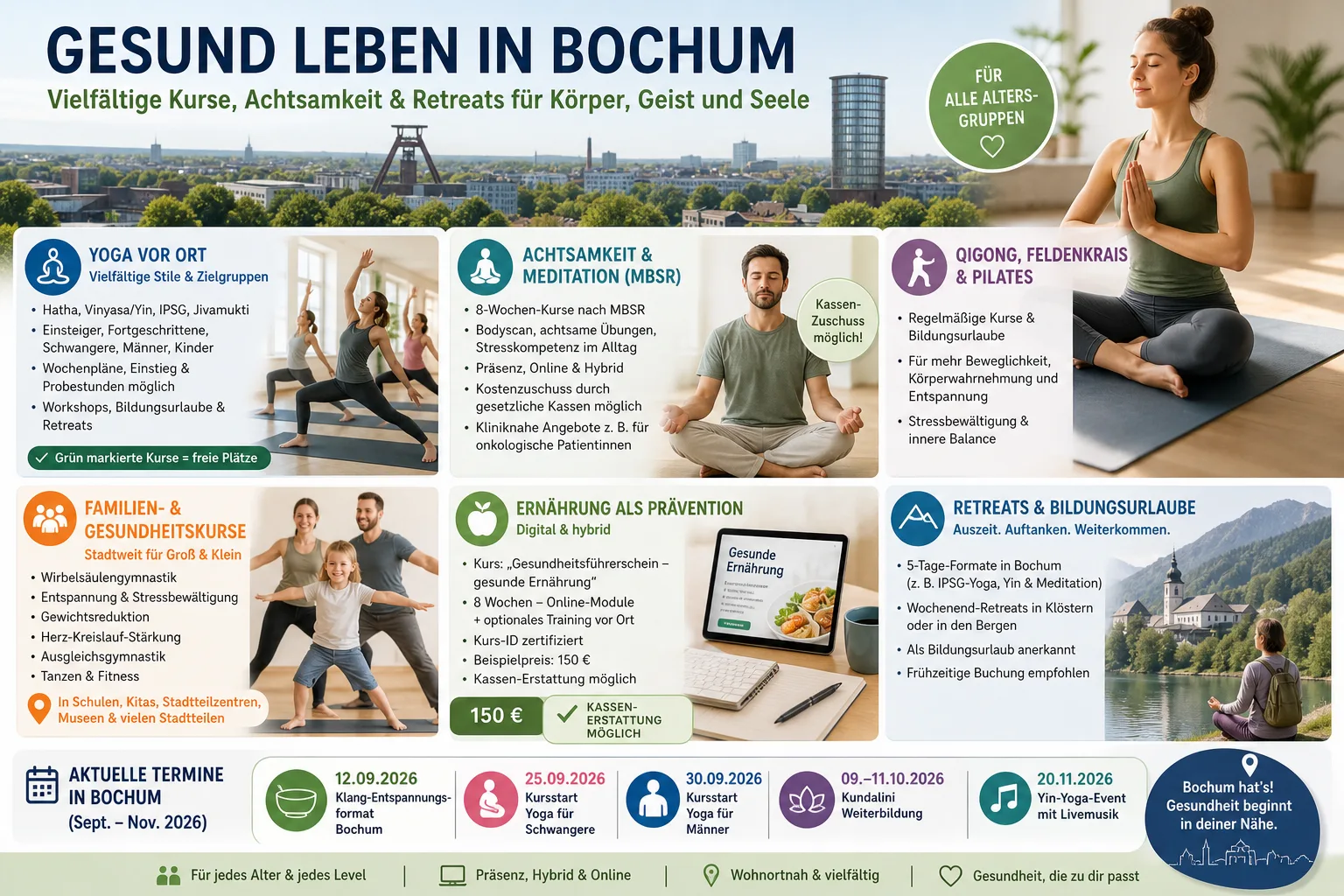
For connoisseurs, this pays off twice: you get not only “highlights” but also quiet, pleasant in-between spaces. It is often there that the best moments arise: a walk before the evening program, a coffee in the sun, a park stop that suddenly turns 20 minutes into an hour.
Practical Travel Planning for Your Next Bochum Visit
1) The Right Time
If you are planning in the next months or years, first decide whether you want to travel more culture-driven (a fixed date) or mood-driven (a weekend without a fixed program). Culture-driven means: fix the date first, then accommodation. Mood-driven means: secure accommodation in a good location first, then put together a program from calendars.
2) Indulgence Routes Instead of Single Locations
Instead of ticking off many individual destinations, plan two to three routes with short distances. This increases the chance that you will spontaneously make a detour without feeling time pressure.
3) Reliability: Tickets, Opening Hours, Changes
For future dates: programs can change. Therefore, check the official pages of the organizers and the current travel information shortly before arrival. If you are traveling barrier-free or planning with children, this information is especially important.