André le Brun
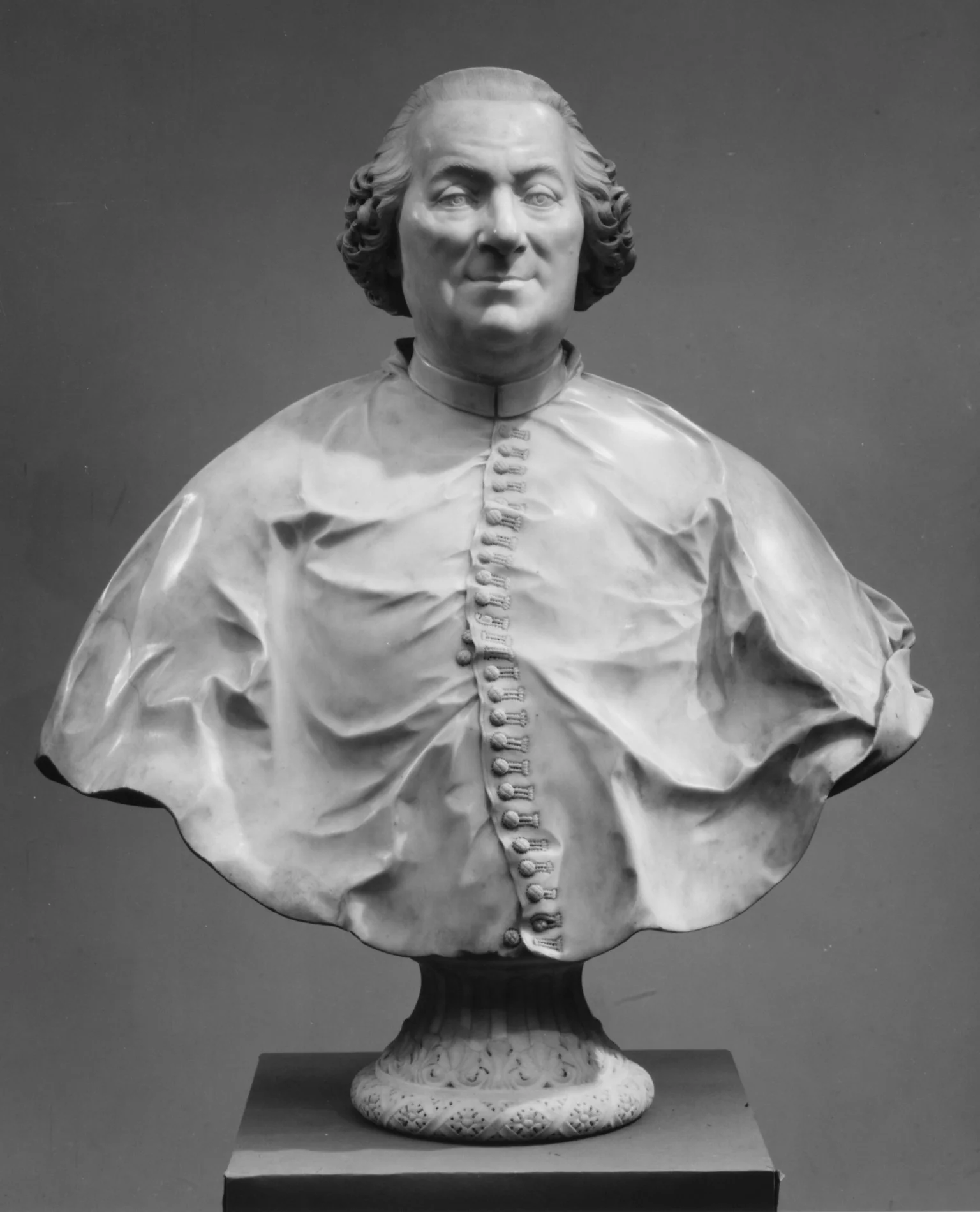
Image from Wikipedia
Image from Wikipedia
André le Brun – The French Sculptor Who Shaped the Artistic Landscapes of Paris, Rome, Warsaw, and Vilnius
A Master of the 18th Century Between Classical Training, Royal Commissions, and Cultural Influence
André le Brun, also known as André-Jean le Brun, is considered one of the fascinating sculptors of the 18th century: a French artist, born in 1737 in Paris and died in 1811 in Vilnius, whose career took him from the Paris Academy tradition to Rome and to the courts and art institutions in Warsaw and Saint Petersburg. His work combines the disciplined language of form from the French Academy with the representative splendor of courtly commissioned art and a remarkable international career. ([de.wikipedia.org](https://de.wikipedia.org/wiki/Andr%C3%A9_le_Brun?utm_source=openai))
Biographical Beginnings in Paris: Academy, Competition, and the Path to Rome
Le Brun studied at the Académie Royale de Peinture et de Sculpture in Paris under Jean-Baptiste Pigalle, a formative figure in 18th-century French sculpture. In 1756, he won the Prix de Rome, which earned him a scholarship at the Académie de France in Rome and elevated his artistic development to an international level. This early accolade marked the real starting point of his professional music career? No – his sculpting career, which was characterized by academic excellence and classical training. ([lazienki-krolewskie.pl](https://www.lazienki-krolewskie.pl/en/historia/postacie-historyczne/andre-le-brun?utm_source=openai))
The years in Rome broadened his perspective on ancient models, proportions, and the representation forms of the European elite. From this school, Le Brun developed the formal confidence that would later distinguish his statues, busts, and decorative works in Warsaw. The combination of drawing and sculpture was among his central skills, making him particularly valuable for complex court projects. ([de.wikipedia.org](https://de.wikipedia.org/wiki/Andr%C3%A9_le_Brun?utm_source=openai))
The Breakthrough in Warsaw: Royal Sculptor with Nearly Three Decades of Influence
In 1768, André le Brun arrived from Rome at the court of Stanislaus II Augustus in Warsaw and held the position of "chief sculptor" or first court sculptor there for nearly 30 years. The official representation of the Łazienki Królewskie emphasizes that he was among the most significant artists of the late Republic of Poland-Lithuania and designed nearly all works executed by craftsmen in stone, stucco, or bronze in the King's Castle workshop. ([lazienki-krolewskie.pl](https://www.lazienki-krolewskie.pl/en/historia/postacie-historyczne/andre-le-brun?utm_source=openai))
This role was far more than simple commission work. Le Brun influenced the visual language of the court, its representation spaces, and sculpture collections through his designs, his workshop leadership, and his academic authority. At the Royal Castle and in the Łazienki grounds, decorative and iconographically sophisticated programs emerged under his participation, intertwining architecture, sculpture, and courtly self-presentation. ([lazienki-krolewskie.pl](https://lazienki-krolewskie.pl/en/katalog/historia-krolewskiej-kolekcji/historia-kolekcji-rzezby?utm_source=openai))
Works, Spaces, and Iconic Legacies
Among the particularly visible traces of Le Brun are sculptures and decorative elements in the Royal Castle in Warsaw, including figures and busts in representative halls. The Royal Castle website mentions a statue of Marsyas by André le Brun in the King's apartment, while the historical collection of the castle places his works in connection with the grand interiors such as the Marble Room, the Great Assembly Hall, and the Knights' Hall. ([zamek-krolewski.pl](https://www.zamek-krolewski.pl/en/strona/your-visit-interiors-castle-and-its-surroundings/1189-kings-apartment?utm_source=openai))
Another hallmark of his work is the connection between sculpture and political symbolism. The reconstruction of the Royal Castle references the apse area created by Le Brun, where images like Apollo and Minerva were designed with the features of Stanislaus Augustus and Catherine II. This type of iconographic focus shows how closely Le Brun's art, power, and courtly representation intertwined. ([demhist.mini.icom.museum](https://demhist.mini.icom.museum/wp-content/uploads/sites/11/2023/12/Conference-Proceedings.-Compiegne-2014-Authenticity-in-Conservation-in-Historic-Houses-1.pdf?utm_source=openai))
Vilnius and the Art Institutions: From Court Artist to Collection Founder
After his time in Warsaw, André le Brun also worked in Vilnius, where his name is associated with the early establishment of the sculpture collection. The museum pages of the Vilnius Academy of Arts explicitly state that the sculpture collections were founded in 1802 by André le Brun, a professor in the sculpture department. Thus, he became not only the executor of court projects but also a mediator of education, collection culture, and artistic training. ([vda.lt](https://www.vda.lt/en/museum/?utm_source=openai))
This institutional dimension adds depth to his life's work. Le Brun represented not only monumental commissioned art but also the transfer of knowledge, models, and academic practices into a regional art system that modernized around 1800. It is precisely this dual role that makes him historically intriguing: he was a sculptor, draftsman, teacher, and cultural mediator at the same time. ([vda.lt](https://www.vda.lt/en/museum/?utm_source=openai))
Style, Language of Form, and Artistic Development
Le Brun's style is rooted in the French Academy tradition and Roman classicism. His works emphasize clear proportions, controlled gestures, and a representative dignity that was equally suitable for court interiors and political allegories. In the preserved descriptions, he appears as an artist who masterfully combined design, execution, and workshop leadership, allowing him to shape large decorative ensembles. ([lazienki-krolewskie.pl](https://www.lazienki-krolewskie.pl/en/historia/postacie-historyczne/andre-le-brun?utm_source=openai))
Particularly striking is the tension between individual handwriting and collective execution. As the head of the workshop at the King's Castle, Le Brun designed many works that were then realized by assistants in various materials. This production method corresponds to the grand court art of the 18th century: artistic authority arose not only through personal execution but also through organization, program design, and iconographic precision. ([lazienki-krolewskie.pl](https://www.lazienki-krolewskie.pl/en/historia/postacie-historyczne/andre-le-brun?utm_source=openai))
Cultural Influence and Art Historical Significance
André le Brun belongs to that generation of French artists who connected European courts through mobility, education, and stylistic competence. His presence in Warsaw exemplifies the cultural exchange between Paris, Rome, and Central Europe in the late 18th century. The fact that his works are still documented in the collections and interiors of Warsaw and Vilnius underscores the lasting impact of his oeuvre. ([lazienki-krolewskie.pl](https://www.lazienki-krolewskie.pl/en/historia/postacie-historyczne/andre-le-brun?utm_source=openai))
His significance lies not only in individual works but also in the architectural and institutional permeation of art. Le Brun shaped representative spaces, contributed to collections, and helped define the taste of an entire court culture. For art history, he thus represents a key figure between academy, court, and museum, between classical sculpture and cultural infrastructure. ([lazienki-krolewskie.pl](https://lazienki-krolewskie.pl/en/katalog/historia-krolewskiej-kolekcji/historia-kolekcji-rzezby?utm_source=openai))
Discography, Charts, and Reception: An Artist Without Music Releases but with Art Historical Resounding
As André le Brun was a sculptor and draftsman, there is no discography in the musical sense, no hit singles, and no charts. His reception is instead found in museum collections, castle inventories, art historical publications, and the current presentations of institutions like the Łazienki Królewskie and the Vilnius Academy of Arts. There lies his cultural historical resonance: in works that have been preserved not on recordings but in stone, stucco, bronze, and drawing. ([lazienki-krolewskie.pl](https://www.lazienki-krolewskie.pl/en/historia/postacie-historyczne/andre-le-brun?utm_source=openai))
Critically, Le Brun represents the high standard of French academic art and the international effectiveness of courtly sculpture in the 18th century. His award of the Prix de Rome, his long tenure as court sculptor in Warsaw, and his role in establishing art collections in Vilnius mark a career that is impressive by both artistic historical standards and biographical perspectives. ([lazienki-krolewskie.pl](https://www.lazienki-krolewskie.pl/pl/edukacja/baza-wiedzy/andre-le-brun-pierwszy-rzezbiarz-krola-stanislawa-augusta?utm_source=openai))
Conclusion: A European Artist Between Court, Academy, and Collection Culture
André le Brun fascinates because he encapsulates the grand themes of the 18th century in a single biography: Parisian Academy, Roman training, Warsaw court culture, and Vilnius collection history. His work demonstrates how sculpture functioned as representative art, as an educational instrument, and as a political sign. Anyone interested in classicism, court art, and European art history will discover in Le Brun a personality of remarkable scope and stylistic clarity. ([lazienki-krolewskie.pl](https://www.lazienki-krolewskie.pl/en/historia/postacie-historyczne/andre-le-brun?utm_source=openai))
It is precisely the combination of artistic discipline, international mobility, and institutional impact that makes him intriguing. Those who view the preserved spaces and collections in Warsaw or Vilnius can still feel the aura of a sculptor who significantly shaped the representative sound of an entire era. A lively art visit to the places of his work offers the most direct access to his legacy. ([zamek-krolewski.pl](https://www.zamek-krolewski.pl/en/strona/your-visit-interiors-castle-and-its-surroundings/1189-kings-apartment?utm_source=openai))
Official Channels of André le Brun:
- Instagram: no official profile found
- Facebook: no official profile found
- YouTube: no official profile found
- Spotify: no official profile found
- TikTok: no official profile found