
Olli Dittrich
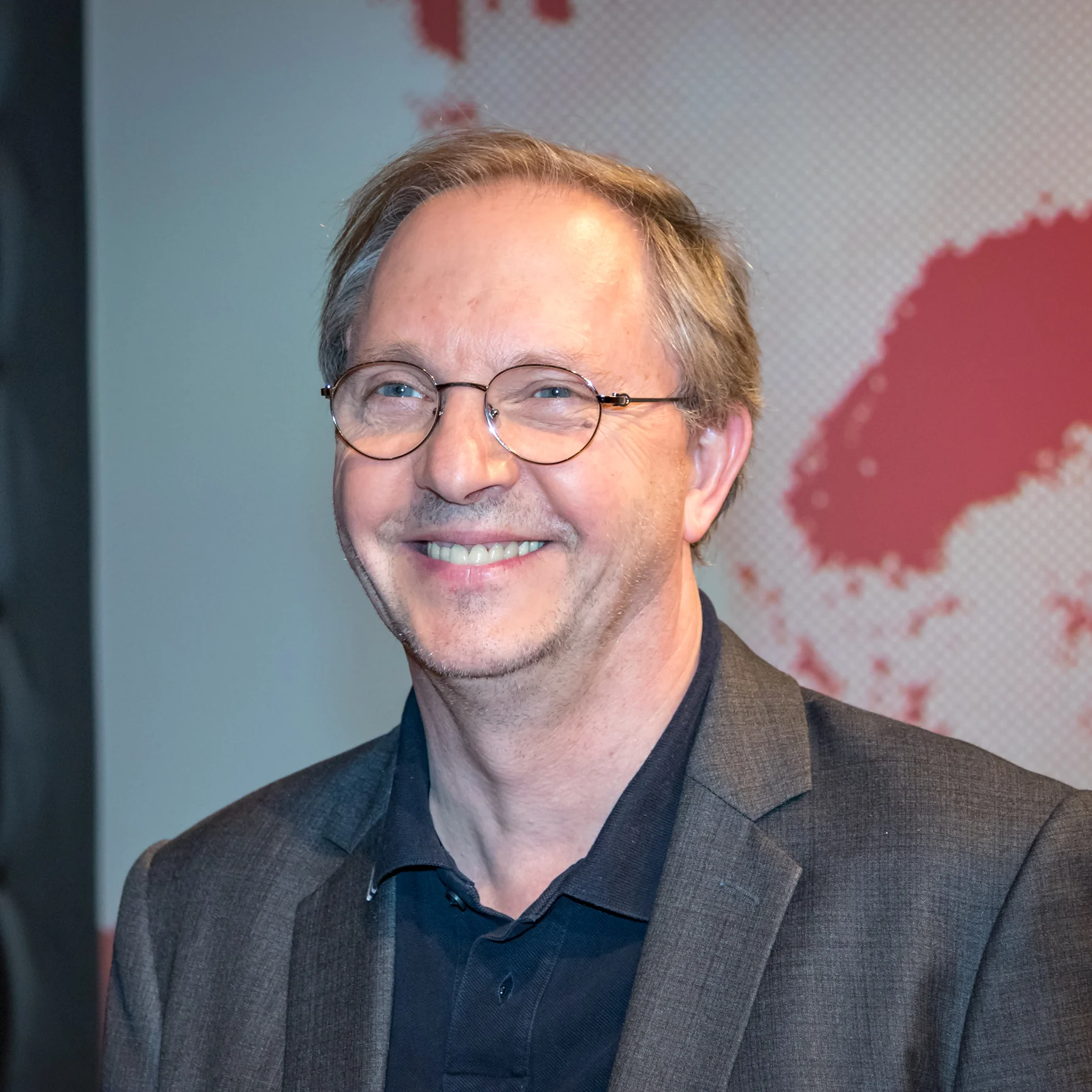
Image from Wikipedia
Image from Wikipedia
Olli Dittrich – a German master of transformation between comedy, music, and cultural icon
The artist who shaped his own theatrical world from parody, timing, and musical instinct
Olli Dittrich is one of the most influential multi-talented artists in German entertainment and music history. Born in 1956 in Offenbach am Main, the actor, comedian, composer, and musician has earned exceptional status through parodies, artistic characters, improvised stage presence, and musical individuality. He became particularly well-known for his breakthrough on RTL Samstag Nacht, for the duo Die Doofen, for the cult figure Dittsche, and for numerous formats that combine comedy, observation, and musical precision. ([de.wikipedia.org](https://de.wikipedia.org/wiki/Olli_Dittrich?utm_source=openai))
Biographical roots: From scenic painter to stage professional
His career did not start as a classic pop star but rather through a craft and artistic training. After school, Dittrich trained as a scenic painter at the Hamburg State Opera, a background that gave his later works a special vividness and stage economy. Early on, he combined entertainment with keen observation, wit, and a love for character, which would later become the core of his music career and comedy work. ([ndr.de](https://www.ndr.de/kultur/buehne/Olli-Dittrich-Ein-Leben-fuer-die-Komik%2Collidittrich129.html?utm_source=openai))
Before gaining a large television audience, Dittrich moved within creative fringes between music, performance, and satire. He worked as a composer, singer, and illustrator, writing numerous songs and developing a style that never settled for mere reproduction. This early phase explains why his later projects often sounded richer than just comedy: they were small, meticulously crafted artworks with rhythm, character, and attitude. ([filmernst.de](https://www.filmernst.de/media/files/Materialien/K/KvD_presseheft.pdf?utm_source=openai))
The breakthrough with RTL Samstag Nacht and the art of parody
Olli Dittrich's major breakthrough came in the 1990s with RTL Samstag Nacht, where he was part of the ensemble from 1993 to 1998. There, he became a staple of German television comedy with memorable characters, sharp observations, and stylistically precise timing. A decisive boost in popularity came from his collaboration with Wigald Boning, especially with the interview parody Zwei Stühle – eine Meinung, which won the Adolf Grimme Award in 1995. ([de.wikipedia.org](https://de.wikipedia.org/wiki/Olli_Dittrich?utm_source=openai))
These years showcase Dittrich as an artist who understands parody not as mere imitation but as a precise analysis of language, gesture, and public pose. His characters work because they blend exaggeration with accuracy. This is where his authority as a comedian and performer lies: he uncovers mechanisms of media culture without losing sight of the humanity of those portrayed. ([aug.de](https://www.aug.de/?utm_source=openai))
Die Doofen: When nonsense becomes a chart phenomenon
A highlight of his musical career was the duo Die Doofen with Wigald Boning. The single Mief! (Take me now, even if I stink!) and the album Songs the World Doesn't Need reached the top of the charts in 1995, turning an ironic idea into a mass hit. The band received Germany's most important music and media awards, proving that absurd comedy and catchy pop mechanics can indeed go hand in hand. ([de.wikipedia.org](https://de.wikipedia.org/wiki/Olli_Dittrich?utm_source=openai))
From a music journalism perspective, this project is particularly notable because it plays with the rules of pop while simultaneously adhering to them perfectly. Die Doofen worked with nonsense, but never without a sense of form: hooks, choruses, and stage charisma met with satirical exaggeration. The result was not a byproduct of television fame but an independent pop event with enormous public resonance. ([imdb.com](https://www.imdb.com/name/nm0228588/bio/?utm_source=openai))
Own formats, improvised characters, and the birth of Dittsche
After RTL Samstag Nacht ended, Dittrich developed his own shows such as Olli, Tiere, Sensationen, and Blind Date. Especially Blind Date with Anke Engelke was praised for its improvisational artistry and formal daring; the format received, among other awards, the German Television Award and the Grimme Prize in Gold. In these works, Dittrich moved even further from classic television illustration toward a stage of character psychology. ([filmportal.de](https://www.filmportal.de/person/olli-dittrich_50a7635efb374784b1961850ac5b8f2b?utm_source=openai))
His most famous character ultimately became Dittsche, the beer-drinking philosopher of the snack bar in a bathrobe, who has been featured on WDR television since 2004. The character symbolizes a special mix of everyday observation, social satire, and improvised verbal artistry. The fact that Dittsche is still considered a cult figure today is due not only to the running gags but to the consistent development of a world where banal bar chatter suddenly transforms into a little philosophy of life. ([de.wikipedia.org](https://de.wikipedia.org/wiki/Dittsche?utm_source=openai))
Musical work beyond comedy
Dittrich's musical side was never limited to sketches. He has worked as a composer since the 1980s, writing songs for other artists and later releasing his own musical works, including the CD 11 Richtige. His music often follows a dramatic logic: it thrives on character, punchline, arrangement, and the precise use of voice and timing. ([ndr.de](https://www.ndr.de/kultur/buehne/Olli-Dittrich-Ein-Leben-fuer-die-Komik%2Collidittrich129.html?utm_source=openai))
Since 2005, he has also been active as a drummer with Texas Lightning, the country band fronted by Jon Flemming Olsen. This also showcases his artistic flexibility: Dittrich does not view music as a static genre but as a play space where role, rhythm, and irony converge. His musical profile is as distinctive as his television characters. ([de.wikipedia.org](https://de.wikipedia.org/wiki/Olli_Dittrich?utm_source=openai))
Current projects and public presence
In the 2020s, Dittrich has remained a prominent name on stages and in cultural programs across the country. For 2025 and 2026, new dates for Dittsche performances as well as readings and discussion formats have been announced; in 2027, the character's live presence will continue in further programs. His current work shows that Dittrich does not treat his most famous character as a nostalgic monument but as a vibrant live format with continuously evolving observations about everyday life and the present. ([elbphilharmonie.de](https://www.elbphilharmonie.de/de/programm/dittsche/22774?utm_source=openai))
Additionally, his literary and performative side is highlighted: with Das wirklich wahre Leben, his autobiographical publication, and the associated stage formats, he reflects on his journey as an artist with remarkable self-irony. In 2025, he also appeared in media formats that underscore his versatility as an entertainer and storyteller. Thus, Dittrich remains an artist who not only manages his career but continuously reinterprets it. ([universal-music.de](https://www.universal-music.de/olli-dittrich/news/das-wirklich-wahre-leben-175001?utm_source=openai))
Style, influence, and cultural significance
Olli Dittrich's style thrives on transformation, observation, and an extraordinarily precise control of language and rhythm. As a parodist, actor, and musician, he works with minimal shifts that create a significant impact: a pause, a glance, a seemingly obvious statement, a shifted tone. It is precisely this that gives his art a depth that extends beyond mere entertainment. ([aug.de](https://www.aug.de/?utm_source=openai))
Culturally, he has shaped German comedy as well as the popular music landscape, as he has repeatedly blurred the lines between these fields. Whether in satirical TV comedy, the nonsense pop of Die Doofen, or the improvised character language of Dittsche: Dittrich blends pop culture, musical form, and social observation into an unmistakable signature. His work thus represents a rare form of authority that relies not on volume, but on precision. ([aug.de](https://www.aug.de/?utm_source=openai))
Conclusion: An exceptional artist worth experiencing live
Olli Dittrich remains intriguing because he never merely fulfills a role. He is a comedian, musician, composer, storyteller, and master of transformation in one person, and it is precisely this multifacetedness that makes his performances so lively. Those who experience his stage work do not see routine, but a refined art of the moment, in which comedy, music, and observation coalesce into a grand whole. ([de.wikipedia.org](https://de.wikipedia.org/wiki/Olli_Dittrich?utm_source=openai))
His work shows how far one can go in the German entertainment cosmos when wit is combined with craftsmanship, musicality with character depth, and popularity with artistic curiosity. This is why experiencing Olli Dittrich live is particularly rewarding: he transforms every performance into a small event that resonates long after. ([aug.de](https://www.aug.de/?utm_source=openai))
Official channels of Olli Dittrich:
- Instagram: No official profile found
- Facebook: No official profile found
- YouTube: No official profile found
- Spotify: https://open.spotify.com/intl-de/artist/5jacYHMzemdViRfMWq1se3
- TikTok: No official profile found
Sources:
Upcoming Events
Dittsche live & solo 2027
Bochum gets a cult evening with Dittsche: Olli Dittrich serves improvisational comedy, wordplay, and plenty of bar philosophy. 15.03.2027, 59,59 €. #Comedy
Dittsche live & solo 2027 at Schauspielhaus Bochum
Dittsche live & solo 2027 at Schauspielhaus Bochum: Improvisation, social satire, and cult status in a strong stage evening. Secure your seats now! #Bochum #Theater