
Bochum
Am Bergbaumuseum 28, 44791 Bochum, Deutschland
German Mining Museum Bochum | Opening Hours & Tickets
The German Mining Museum Bochum is not only a prominent destination in the Ruhr area but also a research and communication site with exceptional depth of focus in the best sense of the word. Since 1930, the Leibniz Research Museum for Geo-Resources has dedicated itself to the mission of collecting, preserving, researching, exhibiting, and communicating the material heritage of mining. Those who come here experience history not only in showcases but above and below ground, in the permanent exhibition, in the demonstration mine, and during the tower ride on the headframe. With around 8,000 square meters of exhibition space and a 2.5-kilometer-long visitor mine, the museum is one of the most impressive addresses for industrial culture in Germany. The combination of research, authentic technical history, central location, and family-friendly visitor offerings makes the museum a destination that works well both spontaneously and with careful planning. Those looking for opening hours, tickets, prices, parking, directions, or practical tips will find the most important information here at a glance. ([bergbaumuseum.de](https://www.bergbaumuseum.de/en/?utm_source=openai))
Opening Hours, Tickets, and Admission Prices
For planning a visit, the current times are particularly important, as the German Mining Museum Bochum operates with clear opening windows and a fixed closing time for ticket sales. The museum is open from Tuesday to Sunday from 09:30 to 17:30, and it is closed on Mondays. Additionally, the museum is closed on January 1, May 1, as well as from December 24 to 26 and on December 31. The ticket sales close at 17:00, the last mine tour currently takes place at 16:00, and the last tower ride at 17:00. Therefore, it is advisable to allow some buffer time for the museum visit so that the tour does not start under time pressure. Tickets can be purchased online in advance at the ticket shop, but they are also still available at the ticket counter; cashless payment with EC card is also possible on-site. Those who prefer a bit more flexibility can organize both individual visits and family outings well. ([bergbaumuseum.de](https://www.bergbaumuseum.de/besuch))
When it comes to admission, the museum relies on a transparent pricing structure. The museum admission, including the special exhibition, costs 15 euros for adults. Reduced admission is 8 euros for children and teenagers aged 5 to 17, students, trainees, people with disabilities, late visitors, and individuals receiving certain social benefits. Children up to 4 years old have free admission. For families, there is a family day ticket for 40 euros; it is valid for two adults with up to four children aged 5 to 17. Additionally, there are return tickets costing 25 euros for adults, 14 euros reduced, and 70 euros for families, as well as group rates for school classes and kindergarten groups at 5 euros per person. Important for planning: The admission fee not only grants access to the permanent exhibition but also to the special exhibition, the demonstration mine, and the tower ride on the day of purchase. Access to the museum shop, the KUMPELS gastronomy, and the tower ride is also free during opening hours if you are visiting the museum anyway. ([bergbaumuseum.de](https://www.bergbaumuseum.de/besuch))
Directions, Address, and Parking at the Museum
The location of the German Mining Museum Bochum is very convenient for visitors because the museum is located in the center of Bochum and is easily accessible by public transport as well as by car. The visitor address is Europaplatz 1, 44791 Bochum; the administrative entrance and the postal address are located at Am Bergbaumuseum 28. If arriving by subway, take the U35 from Bochum Central Station towards Herne to the Deutsches Bergbau-Museum stop. For those driving, the museum recommends the A40 with the BO-Zentrum exit and the A43 with the Bochum Riemke/Zentrum exit as orientation. From there, the route leads towards the center; according to the official directions, the museum is located on the left side after a few kilometers. This central accessibility is a real plus, especially for day trips, school trips, and group visits. ([bergbaumuseum.de](https://www.bergbaumuseum.de/besuch))
However, when it comes to parking: capacities are limited. The museum explicitly points out that visitors can park both in the public areas around the museum and in the parking lot at the junction of Am Bergbaumuseum and Herner Straße. Additionally, the police parking garage on Schillerstraße is available on weekends. There are also seven bus parking spaces in front of the museum, which is particularly important for travel groups and organized trips. For people with mobility impairments, designated parking spaces are available in close proximity. Overall, getting there is uncomplicated as long as you plan for the limited parking spaces and arrive a little earlier during peak times. Those who want to park as stress-free as possible should avoid scheduling their visit during the busiest times and use the official group registration for bus groups. ([bergbaumuseum.de](https://www.bergbaumuseum.de/besuch))
Demonstration Mine Underground: Depth, Tour, and Experience
The actual centerpiece of many visits is the demonstration mine, as here the history of mining is not only explained but made spatially tangible. The museum operates a reconstructed mine underground at a depth of about 20 meters. The underground network of tunnels is nearly 2.5 kilometers long, of which about 1.2 kilometers are accessible to visitors. These dimensions immediately make it clear why the German Mining Museum Bochum is often described as a place of experience: you do not simply walk through exhibition halls but follow the traces of a working life that has shaped entire regions. Access is via an elevator, which may result in short waiting times. During the week, the area is usually only accessible as part of guided tours, while it can be visited without a guide on weekends. During the NRW school holidays, the demonstration mine is also open without a guide during the week. The museum recommends visiting the demonstration mine for children accompanied from the age of four and points out that strollers cannot be taken into the area for safety reasons. ([bergbaumuseum.de](https://www.bergbaumuseum.de/en/museum/history?utm_source=openai))
The experience is particularly strong because here technical history, soundscape, and spatial closeness come together. The official communication makes it clear that the underground tour serves to make the everyday life of former miners understandable and to make the fascination of mining tangible. For this reason, the demonstration mine is not only exciting for adults but also for school classes, families, and anyone interested in industrial culture. Those booking a tour should know that the guided tour not only conveys historical information but also a spatial understanding of extraction, promotion, and working conditions. The experience is complemented by the tower ride on the headframe, which is, however, weather-dependent. The freshly renovated double-bock headframe offers a view from over 60 meters high over the Ruhr area. Together with the underground tour, this creates an unusual perspective: once deep underground, once high above the region. This contrast is one of the reasons why the museum remains so memorable. ([bergbaumuseum.de](https://www.bergbaumuseum.de/fileadmin/besuch/20250612_Touristikflyer_3b_2025_GF_V1_Stoerer.pdf))
Permanent Exhibition, History, and Special Exhibits
The history of the museum is closely linked to the development of the industrial Ruhr area. The German Mining Museum Bochum was founded on April 1, 1930, and has developed from modest beginnings into one of the most significant mining museums in the world. According to official statements, it is now the largest mining museum in the world. The permanent exhibition was redesigned between 2016 and 2019 and has since guided visitors through the worlds of hard coal, mining, raw materials, and art in four thematic tours. This structure is particularly helpful for visitors because it not only tells technical history but also spans a wide arc from raw material extraction to material use to cultural references. The museum thus shows that mining is much more than an industrial process; it is a part of the economy, society, and everyday history. For this reason, the offerings are aimed not only at specialists but also at families, school classes, and culture enthusiasts seeking access to the history of the Ruhr area. ([bergbaumuseum.de](https://www.bergbaumuseum.de/en/?utm_source=openai))
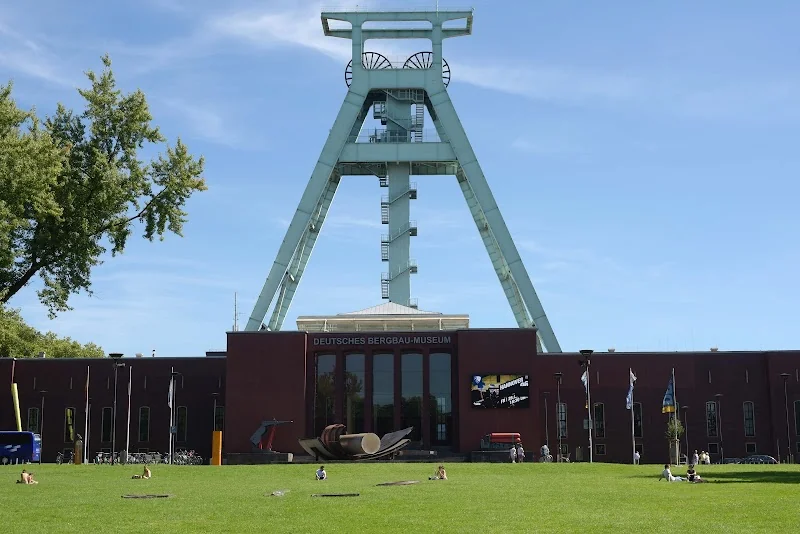
Particularly exciting is the thematic breadth of the collection. In its official self-presentation, the museum mentions not only hard coal but also salt, gold, silver, copper, and rarer raw materials such as lithium and molybdenum. Additionally, the research areas of archaeometallurgy, mining history, materials science, and mining archaeology, as well as the research laboratory and the montan.dok, the mining historical documentation center, are included. The museum is thus not only a showcase into the past but also an active research site. Its explicit task is to make visible the connections between raw material extraction, further processing, and the resulting social and cultural developments. A particular highlight is the headframe of the former Germania colliery, which is considered the largest exhibit in the museum and opens the tour upwards. Those who want to understand the historical dimension of mining will therefore find not only objects here but also context: from the depth of the deposits to the consequences for cities, work, and everyday life in the Ruhr area. ([bergbaumuseum.de](https://www.bergbaumuseum.de/en/museum/history?utm_source=openai))
RUHR.TOPCARD, Museum Shop, Gastronomy, and Digital Helpers
For many visitors, the RUHR.TOPCARD is a real plus because the German Mining Museum Bochum is listed as a destination with once-only free admission. This makes the visit particularly attractive for cardholders, especially if they are planning to visit several cultural sites in the region. However, it is important to pay attention to the current participation conditions and not to assume that every part of the offer is treated equally. Especially for the demonstration mine, the regular visiting rules of the museum apply: usually only with a guide during the week, without a guide on weekends, and during the NRW school holidays, also without a guide during the week. For practical visits, the museum shop is also helpful, as admission there is free and the opening hours correspond to museum hours. Those who like to plan online can purchase tickets in advance at the official ticket shop, which is especially useful for highly demanded dates. Vouchers are also available. These digital and organizational offerings significantly ease the visit and remove much uncertainty from planning. ([ruhrtopcard.de](https://ruhrtopcard.de/ausflugsziel/deutsches-bergbau-museum-bochum?utm_source=openai))
The museum is also well-equipped when it comes to food and orientation. The KUMPELS gastronomy is open during the museum visit and offers regional cuisine in a modern ambiance with an outdoor terrace. The current hours are Tuesday to Sunday from 11:00 to 17:00. For group bookings or private and business events, the team can be reached via the official contact address. Another practical component is the free app with audio guide tours for the tours and the demonstration mine, as well as video tours in German sign language. The app works in the demonstration mine only in offline mode; therefore, the museum recommends downloading it at home. The data volume is about 400 MB. Especially for guests who like to inform themselves in peace, this is a real added value, as it allows content to be accessed independently of group rhythm and noise levels. The combination of shop, gastronomy, ticketing, and digital mediation makes the museum visit significantly more comfortable. ([bergbaumuseum.de](https://www.bergbaumuseum.de/besuch))
Accessibility, Dogs, Groups, and Photo Opportunities
The German Mining Museum Bochum is generally independently accessible for people with mobility impairments and provides designated parking spaces in close proximity. According to the museum, the headframe and parts of the demonstration mine are also accessible for wheelchair users; however, due to special structural and operational conditions, the museum explicitly recommends prior contact with visitor services. Additionally, the museum offers individually tailored tours by prior arrangement. This is particularly important for groups, as it allows for better coordination of processes, content, and access in advance. Another practical rule is: animals are not permitted in the museum. This also applies to dogs. For families with small children, it is also relevant that strollers cannot be taken into the demonstration mine for safety reasons. Those who want to make their visit relaxed should consider these notes in their planning. ([bergbaumuseum.de](https://www.bergbaumuseum.de/besuch))
For school classes, travel groups, and larger parties, there are additional offerings that can significantly enhance the visit. The museum offers guided tours for various target groups, including children, families, adults, and seniors. For school classes, there is a separate program with tours through the demonstration mine and the permanent exhibition; upon request, these offerings can also be made available in English and French, subject to availability and an additional fee. Those looking for photos will find particularly strong motifs in the interplay of architecture, headframe, entrance area at Europaplatz, and the special industrial aesthetics of the museum. As a logical conclusion from the officially highlighted highlights, the freshly renovated headframe, the exterior view of the museum, and the tower ride are particularly well-suited for impressive pictures. Especially because the museum tells stories above and below ground, very different photographic moods arise in a single location. This makes the site attractive not only for history enthusiasts but also for visitors seeking authentic impressions, strong perspectives, and an unusual backdrop. ([bergbaumuseum.de](https://www.bergbaumuseum.de/besuch))
Sources:
- German Mining Museum Bochum - Visitor Information ([bergbaumuseum.de](https://www.bergbaumuseum.de/besuch))
- German Mining Museum Bochum - Directions ([bergbaumuseum.de](https://www.bergbaumuseum.de/anfahrt?utm_source=openai))
- German Mining Museum Bochum - About Us ([bergbaumuseum.de](https://www.bergbaumuseum.de/museum?utm_source=openai))
- German Mining Museum Bochum - Ticket Shop ([bergbaumuseum.de](https://www.bergbaumuseum.de/besuch/ticketshop))
- RUHR.TOPCARD - German Mining Museum Bochum ([ruhrtopcard.de](https://ruhrtopcard.de/ausflugsziel/deutsches-bergbau-museum-bochum?utm_source=openai))
Show moreShow less
German Mining Museum Bochum | Opening Hours & Tickets
The German Mining Museum Bochum is not only a prominent destination in the Ruhr area but also a research and communication site with exceptional depth of focus in the best sense of the word. Since 1930, the Leibniz Research Museum for Geo-Resources has dedicated itself to the mission of collecting, preserving, researching, exhibiting, and communicating the material heritage of mining. Those who come here experience history not only in showcases but above and below ground, in the permanent exhibition, in the demonstration mine, and during the tower ride on the headframe. With around 8,000 square meters of exhibition space and a 2.5-kilometer-long visitor mine, the museum is one of the most impressive addresses for industrial culture in Germany. The combination of research, authentic technical history, central location, and family-friendly visitor offerings makes the museum a destination that works well both spontaneously and with careful planning. Those looking for opening hours, tickets, prices, parking, directions, or practical tips will find the most important information here at a glance. ([bergbaumuseum.de](https://www.bergbaumuseum.de/en/?utm_source=openai))
Opening Hours, Tickets, and Admission Prices
For planning a visit, the current times are particularly important, as the German Mining Museum Bochum operates with clear opening windows and a fixed closing time for ticket sales. The museum is open from Tuesday to Sunday from 09:30 to 17:30, and it is closed on Mondays. Additionally, the museum is closed on January 1, May 1, as well as from December 24 to 26 and on December 31. The ticket sales close at 17:00, the last mine tour currently takes place at 16:00, and the last tower ride at 17:00. Therefore, it is advisable to allow some buffer time for the museum visit so that the tour does not start under time pressure. Tickets can be purchased online in advance at the ticket shop, but they are also still available at the ticket counter; cashless payment with EC card is also possible on-site. Those who prefer a bit more flexibility can organize both individual visits and family outings well. ([bergbaumuseum.de](https://www.bergbaumuseum.de/besuch))
When it comes to admission, the museum relies on a transparent pricing structure. The museum admission, including the special exhibition, costs 15 euros for adults. Reduced admission is 8 euros for children and teenagers aged 5 to 17, students, trainees, people with disabilities, late visitors, and individuals receiving certain social benefits. Children up to 4 years old have free admission. For families, there is a family day ticket for 40 euros; it is valid for two adults with up to four children aged 5 to 17. Additionally, there are return tickets costing 25 euros for adults, 14 euros reduced, and 70 euros for families, as well as group rates for school classes and kindergarten groups at 5 euros per person. Important for planning: The admission fee not only grants access to the permanent exhibition but also to the special exhibition, the demonstration mine, and the tower ride on the day of purchase. Access to the museum shop, the KUMPELS gastronomy, and the tower ride is also free during opening hours if you are visiting the museum anyway. ([bergbaumuseum.de](https://www.bergbaumuseum.de/besuch))
Directions, Address, and Parking at the Museum
The location of the German Mining Museum Bochum is very convenient for visitors because the museum is located in the center of Bochum and is easily accessible by public transport as well as by car. The visitor address is Europaplatz 1, 44791 Bochum; the administrative entrance and the postal address are located at Am Bergbaumuseum 28. If arriving by subway, take the U35 from Bochum Central Station towards Herne to the Deutsches Bergbau-Museum stop. For those driving, the museum recommends the A40 with the BO-Zentrum exit and the A43 with the Bochum Riemke/Zentrum exit as orientation. From there, the route leads towards the center; according to the official directions, the museum is located on the left side after a few kilometers. This central accessibility is a real plus, especially for day trips, school trips, and group visits. ([bergbaumuseum.de](https://www.bergbaumuseum.de/besuch))
However, when it comes to parking: capacities are limited. The museum explicitly points out that visitors can park both in the public areas around the museum and in the parking lot at the junction of Am Bergbaumuseum and Herner Straße. Additionally, the police parking garage on Schillerstraße is available on weekends. There are also seven bus parking spaces in front of the museum, which is particularly important for travel groups and organized trips. For people with mobility impairments, designated parking spaces are available in close proximity. Overall, getting there is uncomplicated as long as you plan for the limited parking spaces and arrive a little earlier during peak times. Those who want to park as stress-free as possible should avoid scheduling their visit during the busiest times and use the official group registration for bus groups. ([bergbaumuseum.de](https://www.bergbaumuseum.de/besuch))
Demonstration Mine Underground: Depth, Tour, and Experience
The actual centerpiece of many visits is the demonstration mine, as here the history of mining is not only explained but made spatially tangible. The museum operates a reconstructed mine underground at a depth of about 20 meters. The underground network of tunnels is nearly 2.5 kilometers long, of which about 1.2 kilometers are accessible to visitors. These dimensions immediately make it clear why the German Mining Museum Bochum is often described as a place of experience: you do not simply walk through exhibition halls but follow the traces of a working life that has shaped entire regions. Access is via an elevator, which may result in short waiting times. During the week, the area is usually only accessible as part of guided tours, while it can be visited without a guide on weekends. During the NRW school holidays, the demonstration mine is also open without a guide during the week. The museum recommends visiting the demonstration mine for children accompanied from the age of four and points out that strollers cannot be taken into the area for safety reasons. ([bergbaumuseum.de](https://www.bergbaumuseum.de/en/museum/history?utm_source=openai))
The experience is particularly strong because here technical history, soundscape, and spatial closeness come together. The official communication makes it clear that the underground tour serves to make the everyday life of former miners understandable and to make the fascination of mining tangible. For this reason, the demonstration mine is not only exciting for adults but also for school classes, families, and anyone interested in industrial culture. Those booking a tour should know that the guided tour not only conveys historical information but also a spatial understanding of extraction, promotion, and working conditions. The experience is complemented by the tower ride on the headframe, which is, however, weather-dependent. The freshly renovated double-bock headframe offers a view from over 60 meters high over the Ruhr area. Together with the underground tour, this creates an unusual perspective: once deep underground, once high above the region. This contrast is one of the reasons why the museum remains so memorable. ([bergbaumuseum.de](https://www.bergbaumuseum.de/fileadmin/besuch/20250612_Touristikflyer_3b_2025_GF_V1_Stoerer.pdf))
Permanent Exhibition, History, and Special Exhibits
The history of the museum is closely linked to the development of the industrial Ruhr area. The German Mining Museum Bochum was founded on April 1, 1930, and has developed from modest beginnings into one of the most significant mining museums in the world. According to official statements, it is now the largest mining museum in the world. The permanent exhibition was redesigned between 2016 and 2019 and has since guided visitors through the worlds of hard coal, mining, raw materials, and art in four thematic tours. This structure is particularly helpful for visitors because it not only tells technical history but also spans a wide arc from raw material extraction to material use to cultural references. The museum thus shows that mining is much more than an industrial process; it is a part of the economy, society, and everyday history. For this reason, the offerings are aimed not only at specialists but also at families, school classes, and culture enthusiasts seeking access to the history of the Ruhr area. ([bergbaumuseum.de](https://www.bergbaumuseum.de/en/?utm_source=openai))
Particularly exciting is the thematic breadth of the collection. In its official self-presentation, the museum mentions not only hard coal but also salt, gold, silver, copper, and rarer raw materials such as lithium and molybdenum. Additionally, the research areas of archaeometallurgy, mining history, materials science, and mining archaeology, as well as the research laboratory and the montan.dok, the mining historical documentation center, are included. The museum is thus not only a showcase into the past but also an active research site. Its explicit task is to make visible the connections between raw material extraction, further processing, and the resulting social and cultural developments. A particular highlight is the headframe of the former Germania colliery, which is considered the largest exhibit in the museum and opens the tour upwards. Those who want to understand the historical dimension of mining will therefore find not only objects here but also context: from the depth of the deposits to the consequences for cities, work, and everyday life in the Ruhr area. ([bergbaumuseum.de](https://www.bergbaumuseum.de/en/museum/history?utm_source=openai))
RUHR.TOPCARD, Museum Shop, Gastronomy, and Digital Helpers
For many visitors, the RUHR.TOPCARD is a real plus because the German Mining Museum Bochum is listed as a destination with once-only free admission. This makes the visit particularly attractive for cardholders, especially if they are planning to visit several cultural sites in the region. However, it is important to pay attention to the current participation conditions and not to assume that every part of the offer is treated equally. Especially for the demonstration mine, the regular visiting rules of the museum apply: usually only with a guide during the week, without a guide on weekends, and during the NRW school holidays, also without a guide during the week. For practical visits, the museum shop is also helpful, as admission there is free and the opening hours correspond to museum hours. Those who like to plan online can purchase tickets in advance at the official ticket shop, which is especially useful for highly demanded dates. Vouchers are also available. These digital and organizational offerings significantly ease the visit and remove much uncertainty from planning. ([ruhrtopcard.de](https://ruhrtopcard.de/ausflugsziel/deutsches-bergbau-museum-bochum?utm_source=openai))
The museum is also well-equipped when it comes to food and orientation. The KUMPELS gastronomy is open during the museum visit and offers regional cuisine in a modern ambiance with an outdoor terrace. The current hours are Tuesday to Sunday from 11:00 to 17:00. For group bookings or private and business events, the team can be reached via the official contact address. Another practical component is the free app with audio guide tours for the tours and the demonstration mine, as well as video tours in German sign language. The app works in the demonstration mine only in offline mode; therefore, the museum recommends downloading it at home. The data volume is about 400 MB. Especially for guests who like to inform themselves in peace, this is a real added value, as it allows content to be accessed independently of group rhythm and noise levels. The combination of shop, gastronomy, ticketing, and digital mediation makes the museum visit significantly more comfortable. ([bergbaumuseum.de](https://www.bergbaumuseum.de/besuch))
Accessibility, Dogs, Groups, and Photo Opportunities
The German Mining Museum Bochum is generally independently accessible for people with mobility impairments and provides designated parking spaces in close proximity. According to the museum, the headframe and parts of the demonstration mine are also accessible for wheelchair users; however, due to special structural and operational conditions, the museum explicitly recommends prior contact with visitor services. Additionally, the museum offers individually tailored tours by prior arrangement. This is particularly important for groups, as it allows for better coordination of processes, content, and access in advance. Another practical rule is: animals are not permitted in the museum. This also applies to dogs. For families with small children, it is also relevant that strollers cannot be taken into the demonstration mine for safety reasons. Those who want to make their visit relaxed should consider these notes in their planning. ([bergbaumuseum.de](https://www.bergbaumuseum.de/besuch))
For school classes, travel groups, and larger parties, there are additional offerings that can significantly enhance the visit. The museum offers guided tours for various target groups, including children, families, adults, and seniors. For school classes, there is a separate program with tours through the demonstration mine and the permanent exhibition; upon request, these offerings can also be made available in English and French, subject to availability and an additional fee. Those looking for photos will find particularly strong motifs in the interplay of architecture, headframe, entrance area at Europaplatz, and the special industrial aesthetics of the museum. As a logical conclusion from the officially highlighted highlights, the freshly renovated headframe, the exterior view of the museum, and the tower ride are particularly well-suited for impressive pictures. Especially because the museum tells stories above and below ground, very different photographic moods arise in a single location. This makes the site attractive not only for history enthusiasts but also for visitors seeking authentic impressions, strong perspectives, and an unusual backdrop. ([bergbaumuseum.de](https://www.bergbaumuseum.de/besuch))
Sources:
- German Mining Museum Bochum - Visitor Information ([bergbaumuseum.de](https://www.bergbaumuseum.de/besuch))
- German Mining Museum Bochum - Directions ([bergbaumuseum.de](https://www.bergbaumuseum.de/anfahrt?utm_source=openai))
- German Mining Museum Bochum - About Us ([bergbaumuseum.de](https://www.bergbaumuseum.de/museum?utm_source=openai))
- German Mining Museum Bochum - Ticket Shop ([bergbaumuseum.de](https://www.bergbaumuseum.de/besuch/ticketshop))
- RUHR.TOPCARD - German Mining Museum Bochum ([ruhrtopcard.de](https://ruhrtopcard.de/ausflugsziel/deutsches-bergbau-museum-bochum?utm_source=openai))
German Mining Museum Bochum | Opening Hours & Tickets
The German Mining Museum Bochum is not only a prominent destination in the Ruhr area but also a research and communication site with exceptional depth of focus in the best sense of the word. Since 1930, the Leibniz Research Museum for Geo-Resources has dedicated itself to the mission of collecting, preserving, researching, exhibiting, and communicating the material heritage of mining. Those who come here experience history not only in showcases but above and below ground, in the permanent exhibition, in the demonstration mine, and during the tower ride on the headframe. With around 8,000 square meters of exhibition space and a 2.5-kilometer-long visitor mine, the museum is one of the most impressive addresses for industrial culture in Germany. The combination of research, authentic technical history, central location, and family-friendly visitor offerings makes the museum a destination that works well both spontaneously and with careful planning. Those looking for opening hours, tickets, prices, parking, directions, or practical tips will find the most important information here at a glance. ([bergbaumuseum.de](https://www.bergbaumuseum.de/en/?utm_source=openai))
Opening Hours, Tickets, and Admission Prices
For planning a visit, the current times are particularly important, as the German Mining Museum Bochum operates with clear opening windows and a fixed closing time for ticket sales. The museum is open from Tuesday to Sunday from 09:30 to 17:30, and it is closed on Mondays. Additionally, the museum is closed on January 1, May 1, as well as from December 24 to 26 and on December 31. The ticket sales close at 17:00, the last mine tour currently takes place at 16:00, and the last tower ride at 17:00. Therefore, it is advisable to allow some buffer time for the museum visit so that the tour does not start under time pressure. Tickets can be purchased online in advance at the ticket shop, but they are also still available at the ticket counter; cashless payment with EC card is also possible on-site. Those who prefer a bit more flexibility can organize both individual visits and family outings well. ([bergbaumuseum.de](https://www.bergbaumuseum.de/besuch))
When it comes to admission, the museum relies on a transparent pricing structure. The museum admission, including the special exhibition, costs 15 euros for adults. Reduced admission is 8 euros for children and teenagers aged 5 to 17, students, trainees, people with disabilities, late visitors, and individuals receiving certain social benefits. Children up to 4 years old have free admission. For families, there is a family day ticket for 40 euros; it is valid for two adults with up to four children aged 5 to 17. Additionally, there are return tickets costing 25 euros for adults, 14 euros reduced, and 70 euros for families, as well as group rates for school classes and kindergarten groups at 5 euros per person. Important for planning: The admission fee not only grants access to the permanent exhibition but also to the special exhibition, the demonstration mine, and the tower ride on the day of purchase. Access to the museum shop, the KUMPELS gastronomy, and the tower ride is also free during opening hours if you are visiting the museum anyway. ([bergbaumuseum.de](https://www.bergbaumuseum.de/besuch))
Directions, Address, and Parking at the Museum
The location of the German Mining Museum Bochum is very convenient for visitors because the museum is located in the center of Bochum and is easily accessible by public transport as well as by car. The visitor address is Europaplatz 1, 44791 Bochum; the administrative entrance and the postal address are located at Am Bergbaumuseum 28. If arriving by subway, take the U35 from Bochum Central Station towards Herne to the Deutsches Bergbau-Museum stop. For those driving, the museum recommends the A40 with the BO-Zentrum exit and the A43 with the Bochum Riemke/Zentrum exit as orientation. From there, the route leads towards the center; according to the official directions, the museum is located on the left side after a few kilometers. This central accessibility is a real plus, especially for day trips, school trips, and group visits. ([bergbaumuseum.de](https://www.bergbaumuseum.de/besuch))
However, when it comes to parking: capacities are limited. The museum explicitly points out that visitors can park both in the public areas around the museum and in the parking lot at the junction of Am Bergbaumuseum and Herner Straße. Additionally, the police parking garage on Schillerstraße is available on weekends. There are also seven bus parking spaces in front of the museum, which is particularly important for travel groups and organized trips. For people with mobility impairments, designated parking spaces are available in close proximity. Overall, getting there is uncomplicated as long as you plan for the limited parking spaces and arrive a little earlier during peak times. Those who want to park as stress-free as possible should avoid scheduling their visit during the busiest times and use the official group registration for bus groups. ([bergbaumuseum.de](https://www.bergbaumuseum.de/besuch))
Demonstration Mine Underground: Depth, Tour, and Experience
The actual centerpiece of many visits is the demonstration mine, as here the history of mining is not only explained but made spatially tangible. The museum operates a reconstructed mine underground at a depth of about 20 meters. The underground network of tunnels is nearly 2.5 kilometers long, of which about 1.2 kilometers are accessible to visitors. These dimensions immediately make it clear why the German Mining Museum Bochum is often described as a place of experience: you do not simply walk through exhibition halls but follow the traces of a working life that has shaped entire regions. Access is via an elevator, which may result in short waiting times. During the week, the area is usually only accessible as part of guided tours, while it can be visited without a guide on weekends. During the NRW school holidays, the demonstration mine is also open without a guide during the week. The museum recommends visiting the demonstration mine for children accompanied from the age of four and points out that strollers cannot be taken into the area for safety reasons. ([bergbaumuseum.de](https://www.bergbaumuseum.de/en/museum/history?utm_source=openai))
The experience is particularly strong because here technical history, soundscape, and spatial closeness come together. The official communication makes it clear that the underground tour serves to make the everyday life of former miners understandable and to make the fascination of mining tangible. For this reason, the demonstration mine is not only exciting for adults but also for school classes, families, and anyone interested in industrial culture. Those booking a tour should know that the guided tour not only conveys historical information but also a spatial understanding of extraction, promotion, and working conditions. The experience is complemented by the tower ride on the headframe, which is, however, weather-dependent. The freshly renovated double-bock headframe offers a view from over 60 meters high over the Ruhr area. Together with the underground tour, this creates an unusual perspective: once deep underground, once high above the region. This contrast is one of the reasons why the museum remains so memorable. ([bergbaumuseum.de](https://www.bergbaumuseum.de/fileadmin/besuch/20250612_Touristikflyer_3b_2025_GF_V1_Stoerer.pdf))
Permanent Exhibition, History, and Special Exhibits
The history of the museum is closely linked to the development of the industrial Ruhr area. The German Mining Museum Bochum was founded on April 1, 1930, and has developed from modest beginnings into one of the most significant mining museums in the world. According to official statements, it is now the largest mining museum in the world. The permanent exhibition was redesigned between 2016 and 2019 and has since guided visitors through the worlds of hard coal, mining, raw materials, and art in four thematic tours. This structure is particularly helpful for visitors because it not only tells technical history but also spans a wide arc from raw material extraction to material use to cultural references. The museum thus shows that mining is much more than an industrial process; it is a part of the economy, society, and everyday history. For this reason, the offerings are aimed not only at specialists but also at families, school classes, and culture enthusiasts seeking access to the history of the Ruhr area. ([bergbaumuseum.de](https://www.bergbaumuseum.de/en/?utm_source=openai))
Particularly exciting is the thematic breadth of the collection. In its official self-presentation, the museum mentions not only hard coal but also salt, gold, silver, copper, and rarer raw materials such as lithium and molybdenum. Additionally, the research areas of archaeometallurgy, mining history, materials science, and mining archaeology, as well as the research laboratory and the montan.dok, the mining historical documentation center, are included. The museum is thus not only a showcase into the past but also an active research site. Its explicit task is to make visible the connections between raw material extraction, further processing, and the resulting social and cultural developments. A particular highlight is the headframe of the former Germania colliery, which is considered the largest exhibit in the museum and opens the tour upwards. Those who want to understand the historical dimension of mining will therefore find not only objects here but also context: from the depth of the deposits to the consequences for cities, work, and everyday life in the Ruhr area. ([bergbaumuseum.de](https://www.bergbaumuseum.de/en/museum/history?utm_source=openai))
RUHR.TOPCARD, Museum Shop, Gastronomy, and Digital Helpers
For many visitors, the RUHR.TOPCARD is a real plus because the German Mining Museum Bochum is listed as a destination with once-only free admission. This makes the visit particularly attractive for cardholders, especially if they are planning to visit several cultural sites in the region. However, it is important to pay attention to the current participation conditions and not to assume that every part of the offer is treated equally. Especially for the demonstration mine, the regular visiting rules of the museum apply: usually only with a guide during the week, without a guide on weekends, and during the NRW school holidays, also without a guide during the week. For practical visits, the museum shop is also helpful, as admission there is free and the opening hours correspond to museum hours. Those who like to plan online can purchase tickets in advance at the official ticket shop, which is especially useful for highly demanded dates. Vouchers are also available. These digital and organizational offerings significantly ease the visit and remove much uncertainty from planning. ([ruhrtopcard.de](https://ruhrtopcard.de/ausflugsziel/deutsches-bergbau-museum-bochum?utm_source=openai))
The museum is also well-equipped when it comes to food and orientation. The KUMPELS gastronomy is open during the museum visit and offers regional cuisine in a modern ambiance with an outdoor terrace. The current hours are Tuesday to Sunday from 11:00 to 17:00. For group bookings or private and business events, the team can be reached via the official contact address. Another practical component is the free app with audio guide tours for the tours and the demonstration mine, as well as video tours in German sign language. The app works in the demonstration mine only in offline mode; therefore, the museum recommends downloading it at home. The data volume is about 400 MB. Especially for guests who like to inform themselves in peace, this is a real added value, as it allows content to be accessed independently of group rhythm and noise levels. The combination of shop, gastronomy, ticketing, and digital mediation makes the museum visit significantly more comfortable. ([bergbaumuseum.de](https://www.bergbaumuseum.de/besuch))
Accessibility, Dogs, Groups, and Photo Opportunities
The German Mining Museum Bochum is generally independently accessible for people with mobility impairments and provides designated parking spaces in close proximity. According to the museum, the headframe and parts of the demonstration mine are also accessible for wheelchair users; however, due to special structural and operational conditions, the museum explicitly recommends prior contact with visitor services. Additionally, the museum offers individually tailored tours by prior arrangement. This is particularly important for groups, as it allows for better coordination of processes, content, and access in advance. Another practical rule is: animals are not permitted in the museum. This also applies to dogs. For families with small children, it is also relevant that strollers cannot be taken into the demonstration mine for safety reasons. Those who want to make their visit relaxed should consider these notes in their planning. ([bergbaumuseum.de](https://www.bergbaumuseum.de/besuch))
For school classes, travel groups, and larger parties, there are additional offerings that can significantly enhance the visit. The museum offers guided tours for various target groups, including children, families, adults, and seniors. For school classes, there is a separate program with tours through the demonstration mine and the permanent exhibition; upon request, these offerings can also be made available in English and French, subject to availability and an additional fee. Those looking for photos will find particularly strong motifs in the interplay of architecture, headframe, entrance area at Europaplatz, and the special industrial aesthetics of the museum. As a logical conclusion from the officially highlighted highlights, the freshly renovated headframe, the exterior view of the museum, and the tower ride are particularly well-suited for impressive pictures. Especially because the museum tells stories above and below ground, very different photographic moods arise in a single location. This makes the site attractive not only for history enthusiasts but also for visitors seeking authentic impressions, strong perspectives, and an unusual backdrop. ([bergbaumuseum.de](https://www.bergbaumuseum.de/besuch))
Sources:
- German Mining Museum Bochum - Visitor Information ([bergbaumuseum.de](https://www.bergbaumuseum.de/besuch))
- German Mining Museum Bochum - Directions ([bergbaumuseum.de](https://www.bergbaumuseum.de/anfahrt?utm_source=openai))
- German Mining Museum Bochum - About Us ([bergbaumuseum.de](https://www.bergbaumuseum.de/museum?utm_source=openai))
- German Mining Museum Bochum - Ticket Shop ([bergbaumuseum.de](https://www.bergbaumuseum.de/besuch/ticketshop))
- RUHR.TOPCARD - German Mining Museum Bochum ([ruhrtopcard.de](https://ruhrtopcard.de/ausflugsziel/deutsches-bergbau-museum-bochum?utm_source=openai))
Upcoming Events
ExtraSchicht 2026 - German Mining Museum, Bochum
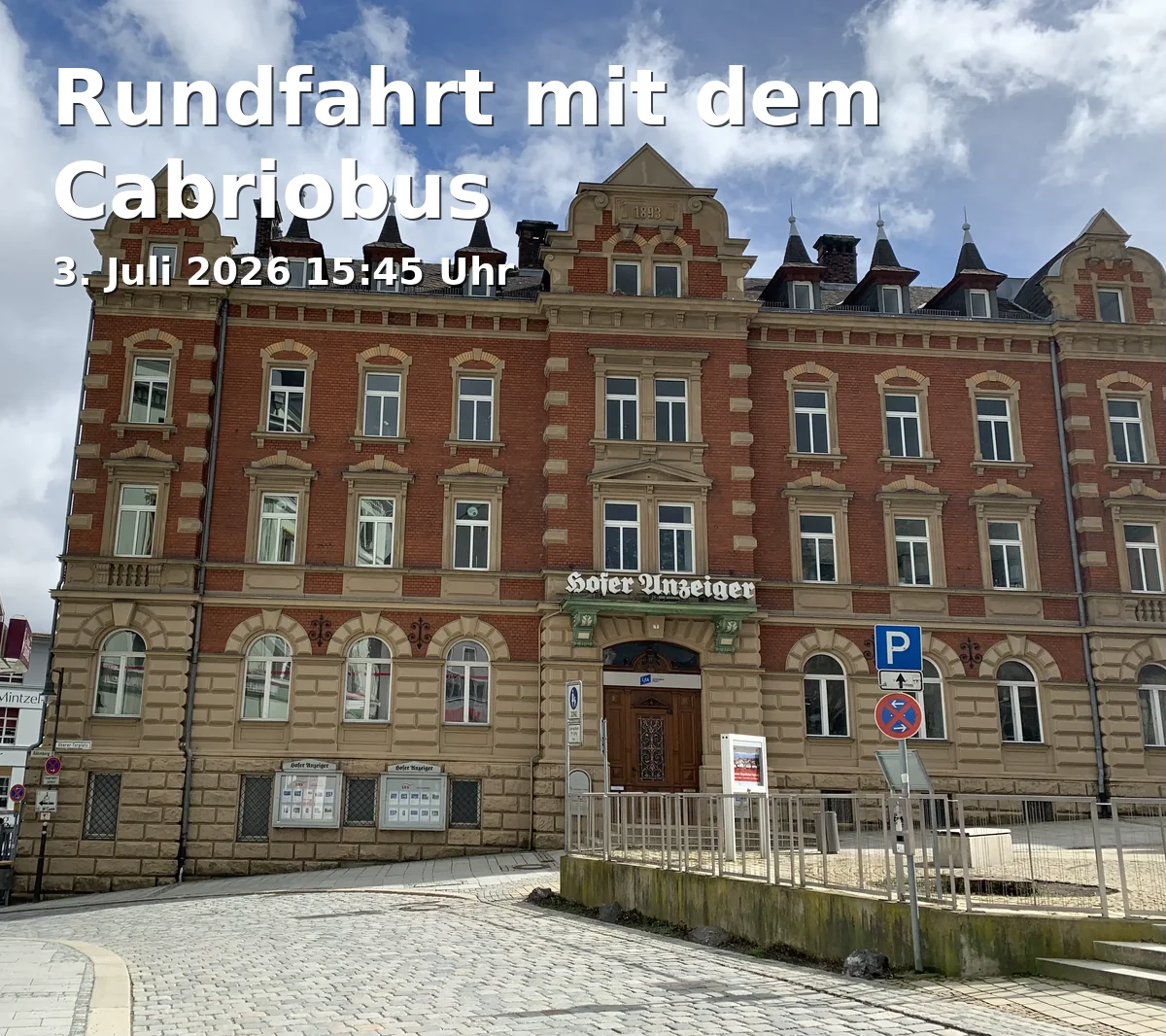
Tour with the Cabriobus
Experience Bochum in the Cabriobus: panorama, industrial culture, and exciting city history in 120 minutes. Start at the German Mining Museum. Book now! #Bochum
Hopfenfest Bochum
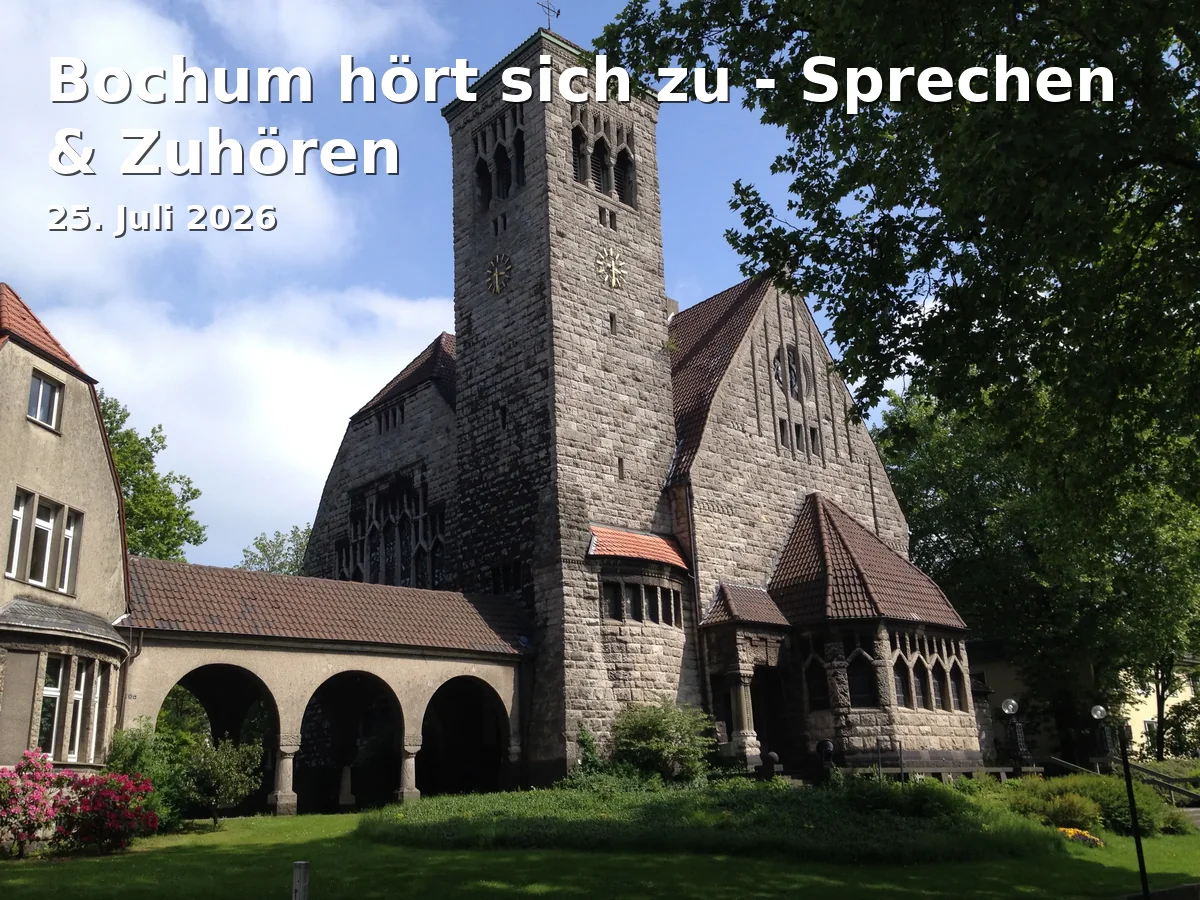
Bochum Listens - Speaking & Listening
Join an exciting dialogue format at the German Mining Museum Bochum on July 25, 2026. Admission free!
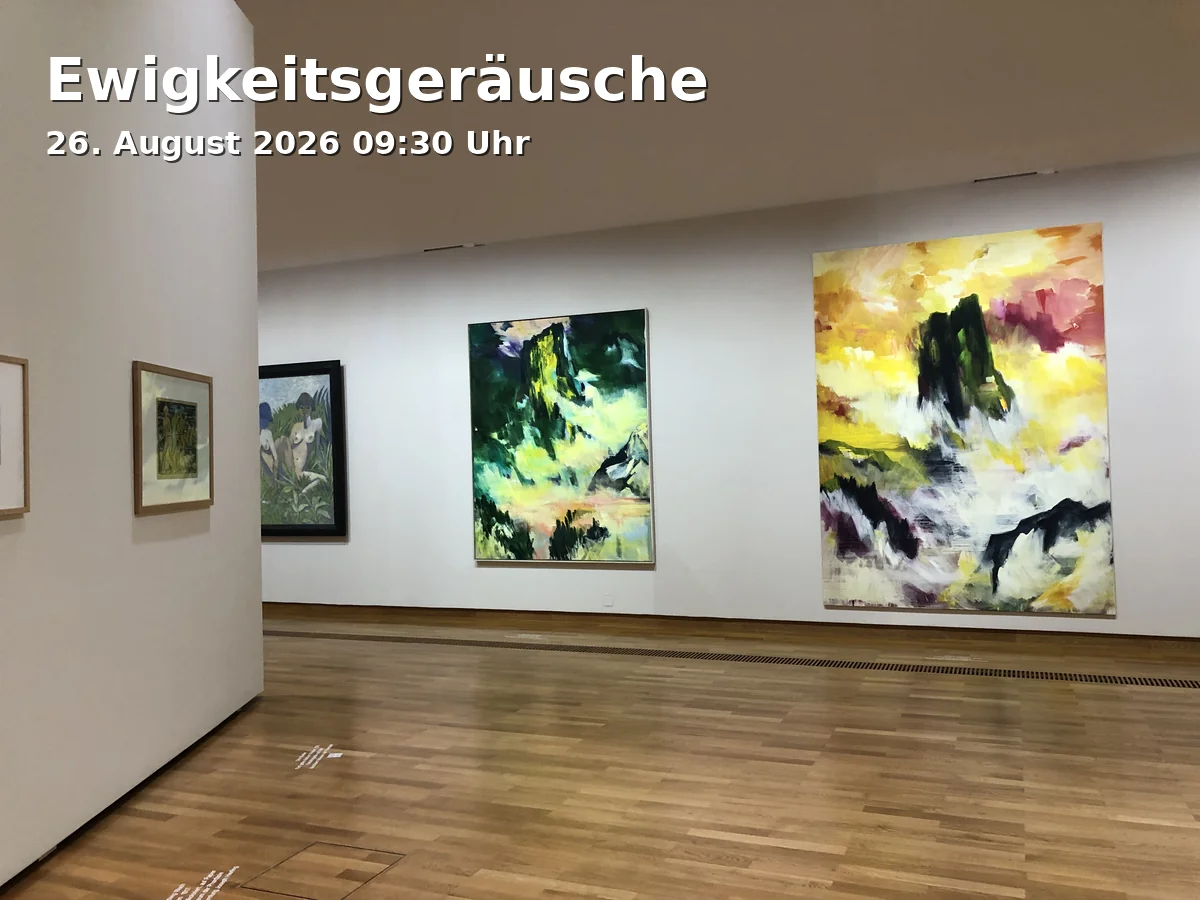
Eternal Sounds
Bochum is listening: Eternal Sounds makes mining history palpable as sound art. 08/26/2026, from 09:30. A visit full of atmosphere. #Bochum #SoundArt
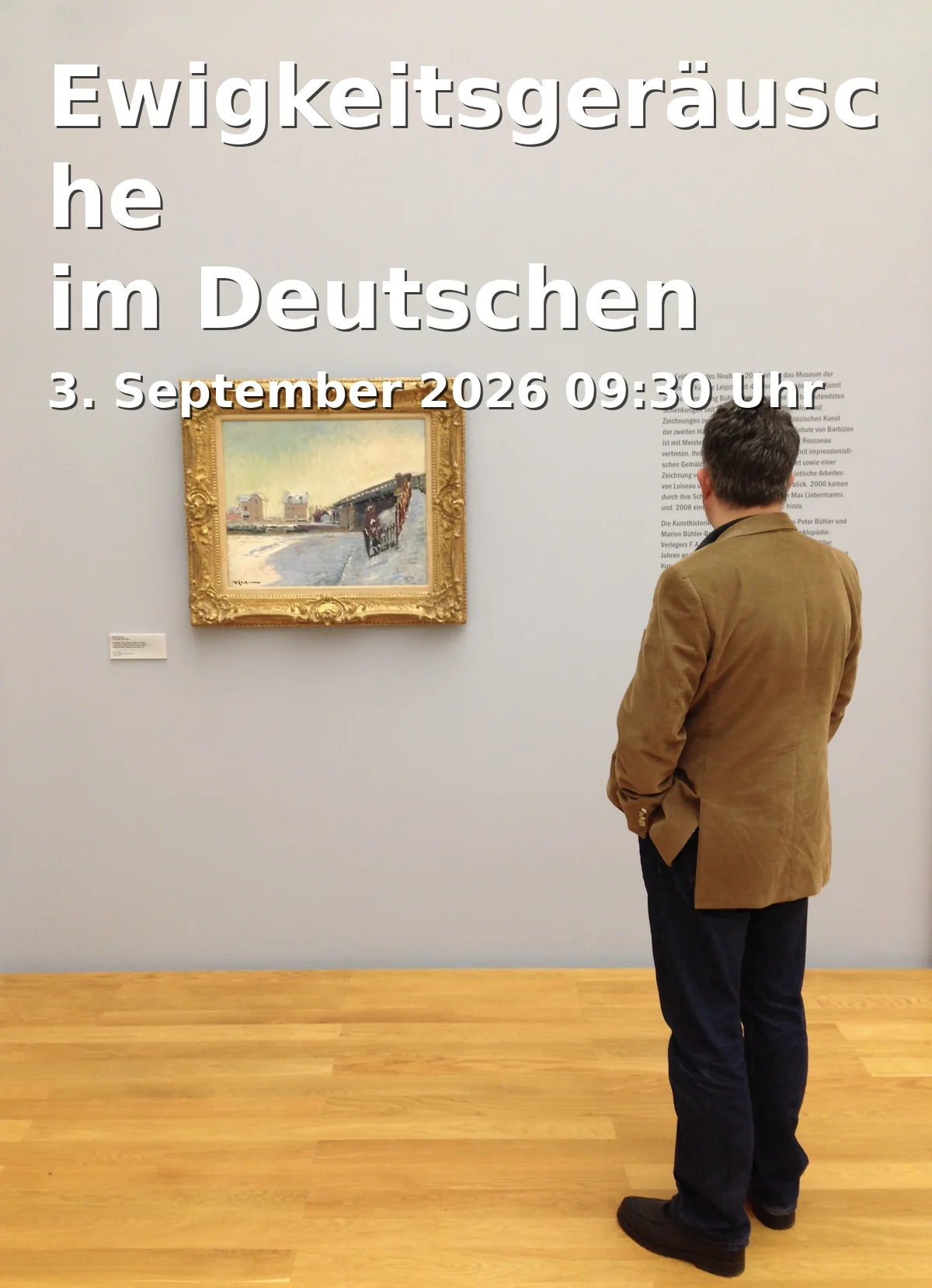
Eternal Sounds at the German Mining Museum Bochum
Sound, art, and Ruhr area history in a unique experience: Eternal Sounds at the German Mining Museum Bochum. Discover now! #Bochum #Culture
Frequently Asked Questions
Reviews
Bashar Mously
5. January 2026
I visited the museum in mid December 2025. Since I am a tourist and don't know much German this review will be from such a point of view. All the information is duplicated in English. So you can navigate and learn about the history of mining in the region without knowing any German at all. The museum is large and has tons of exhibits such as history of mining, life of miners, minerals, fossils, mining technology and much more. Separate thanks to the staff. When they learned I didn't speak much German but wanted to go on the guided tour of the mine itself, they provided me with a folder that contains a map of the mine as well as descriptions in English of what I will see there. The mine tour guide also provided separate explanations for me in English so super huge thanks to him as well, unfortunately he ran off lol after we were taken to the top of the tower before I could personally thank him.
Mauricio Rizo
9. November 2025
Great museum, visiting an actual mine site is cool enough, but then you can also go to the top of the tower and get a great view of Bochum, and the exhibits were pretty cool too, I loved the one where you can see fossils and all these different minerals with a huge array of colours.
Cordelia Hui
22. August 2025
Great to have more understanding of mining history, machineries and equipment in Germany. Also, understand the largest mining district, Ruhr Area and population development from 300,000 in 1820 to 5.7 million in 1961. Very informative and worth to spend several hours.
Maryam N
30. December 2025
Great simulation of mining with demonstrations of mining equipment and actual previous miners there to answer any questions. There are both English and German audiables and you can freely explore the place by following a pathway. The place is packed with kids as there are many activities for families.
Johnny Kipp
23. July 2025
If you are in or have been in the mining industry or want to learn more about the mining industry and what keeps our lights on and our lives as rich as they are, this is a must visit. The underground tour is informative and immersive in its detail of the transformation of the world of underground mining from its humble hand dug beginning to its automated and mechanical current reality. The museum above ground with its interactive models and displays is incredibly well done.