

Bochum
Kammerspiele, Königsallee 15, Bochum
Kammerspiele Bochum | Seating Plan & Directions
The Kammerspiele Bochum is one of the important venues of the Schauspielhaus Bochum and is located at Königsallee 15 in the southern part of Bochum's city center. Those looking for a stage with immediate atmosphere, short distances, and a clear focus on acting, guest performances, and special formats will find a very compact and at the same time traditional address here. With 410 seats, the Kammerspiele belong to the more intimate stages of the house, bringing the audience closer to the action and enhancing the impact of performance, language, and music. This aligns with a theater that has relied on closeness, concentration, and artistic diversity for decades. The Kammerspiele are not just a single room but part of a larger theater complex that shapes the Schauspielhaus Bochum as an institution and makes the Königsallee location a fixed cultural anchor in the city. ([schauspielhausbochum.de](https://www.schauspielhausbochum.de/en/haus/51/venues))
Directions, Address, and Parking at the Kammerspiele Bochum
The most important orientation for your visit is the address Königsallee 15, 44789 Bochum. According to the official directions, the location is in the southern Bochum city center and can be reached from the A40 and A43 highways in just a few minutes. For visitors without a car, traveling by public transport is very straightforward: The Schauspielhaus stop is directly accessible via tram lines 308 and 318, as well as bus lines SB37, 350, 353, 365, and the night express NE4. Those who prefer to come by train can also get off at Bochum-Ehrenfeld station and walk about 10 minutes. The U-Bahn station Oskar-Hoffmann-Straße is also about a 10-minute walk away. This makes the Kammerspiele easily accessible for city visits, evening performances, and spontaneous cultural events. The connection is also practical for guests from the wider Ruhr area, as the connection points are clearly named and the theater is very well connected to local transport. ([schauspielhausbochum.de](https://www.schauspielhausbochum.de/de/service/572/anfahrt))
For those coming by car, it is best to use the P9 parking garage at the Schauspielhaus Bochum, which can be accessed via Königsallee and Hubertusstraße. The official site mentions a theater rate of 4.00 euros for performances, and the fee can be paid at the machine by license plate before the performance begins, reducing waiting times after the final applause. This is an important practical advantage for visitors, as the departure process becomes significantly more relaxed. Additionally, since September 2025, the house has published another service note: The ticket or the fixed subscription card is also valid as a ticket for the outward and return journey in the VRR in price level B until 3:00 AM the following day on the day of the event. Especially for evenings with subsequent theater visits, premiere celebrations, or a visit to Tanas, this is a strong argument for preferring to arrive by bus and train. The Kammerspiele are thus not only centrally located but also pragmatically prepared for a comfortable visit. ([schauspielhausbochum.de](https://www.schauspielhausbochum.de/de/service/572/anfahrt))
Seating Plan, 410 Seats, and Barrier-Free Orientation
With 410 seats, the Kammerspiele offer a size that is deliberately designed for closeness. The official house describes the stage as Kammerspiele and provides a seating plan that facilitates seat selection. The seating plan also designates a wheelchair space, which is an important orientation aid for visitors with mobility needs. Particularly in a compact venue, the seating plan is not just a technical piece of information but part of the visit planning, as it makes the relationship between sight, distance to the stage, and accessibility more transparent. Those preparing for a theater evening can better assess which seating areas best suit their situation and the desired theater evening before booking. The Kammerspiele are thus a good example of a stage where the space itself becomes part of the experience, as the limited number of seats creates a concentrated and immediate audience situation. ([schauspielhausbochum.de](https://www.schauspielhausbochum.de/en/haus/51/venues))
The compact architecture also affects the perception of the performance. While larger halls are often characterized by distance, the size of the Kammerspiele promotes a more direct relationship between stage and audience. This form of intimacy is particularly valuable for spoken theater, musical evenings, and mixed formats. The current structure of the Schauspielhaus Bochum includes several venues, including the larger Schauspielhaus, the Kammerspiele, the Oval Office, and the Theaterrevier. Within this ensemble, the Kammerspiele are the stage that allows for a noticeably approachable form of theater attendance with its 410 seats. Those who want a good overview of the space should check the seating plan in advance, especially when it comes to barrier-free paths, preferred sightlines, or a desire for as close proximity to the stage as possible. The available orientation regarding seats and wheelchair areas thus not only supports accessibility but also the planning of a suitable theater experience. ([schauspielhausbochum.de](https://www.schauspielhausbochum.de/en/haus/51/venues))
Program, Tickets, and Typical Events at the Kammerspiele
The Kammerspiele are not a purely spoken stage with a fixed unit format but a venue with a very broad program profile. The current program includes theater productions, guest performances, music evenings, poetry slams, puppet theater, and special formats such as Drag Voyage or other thematically independent evenings. Examples from the current offering include Die Gehaltserhöhung, Kreislers kalte Füße, and various guest performance dates, showing how broad the spectrum of materials and presentation forms is. This is particularly important for those searching for the keyword Kammerspiele program, as the stage offers much more than classic repertoire performances. Therefore, those looking for events at the Kammerspiele will find a house that addresses various audience interests: from literary theater evenings to musical formats to contemporary guest performances and a production that also works beyond the pure acting canon. For SEO purposes, this diversity is a central theme as it covers various search intentions and positions the venue as a vibrant cultural address. ([schauspielhausbochum.de](https://www.schauspielhausbochum.de/de/stuecke/26906/die-gehaltserhoehung?utm_source=openai))
The house is also well organized when it comes to ticket purchasing. The official site refers to the box office at the location Königsallee 15, to the webshop, and to the program, allowing visitors to plan their tickets both online and on-site. The box office is part of the daily service infrastructure of the house and makes the Kammerspiele particularly interesting for last-minute bookings. Additionally, the current price overview shows that the conditions for Schauspielhaus and Kammerspiele are tiered by weekday and time slot, and that premieres as well as musical productions may have their own surcharges. For visitors, this means: Those who know their budget and desired date early can plan more specifically. At the same time, the barrier remains low for spontaneously choosing a theater evening, as the house offers various booking options through the webshop, box office, and clear communication. In conjunction with the program, this creates a visit offer that is attractive both for regular guests and for first-time visitors who are initially looking for a specific piece, a guest appearance, or a music format. ([schauspielhausbochum.de](https://www.schauspielhausbochum.de/de/service/572/anfahrt))
History of the Kammerspiele and Their Role in the Schauspielhaus Bochum
The historical depth of the Kammerspiele begins with the larger history of the Königsallee location. According to the official house history, the Apollo Theater, a variety theater of the construction entrepreneur Clemens Erlemann, opened at the current location as early as 1908. Although the actual founding moment of the current Schauspielhaus is considered to be the beginning of the directorship of Saladin Schmitt in 1918, the architectural and cultural prehistory goes back much further. The current building was constructed in 1953 on the foundations of the original building destroyed in World War II. This layering of pre-war history, destruction, reconstruction, and later expansion makes the location one of the historically charged theater sites in NRW. For the Kammerspiele themselves, the year 1966 is particularly central: At that time, the city approved the construction of an extension on the site of Haus Rechen, a water castle built in the 15th century and also destroyed in the war. The new venue was intended to accommodate the growing audience demand of the Schauspielhaus and was planned by Heinz Jentsch, who had already worked on the larger Schauspielhaus. ([schauspielhausbochum.de](https://www.schauspielhausbochum.de/en/haus/51/venues))
The Kammerspiele were inaugurated with the world premiere of Maximilian Schell's Herostratus, in which the author not only directed but also took on the title role. This premiere underscores that the space was intended from the beginning as a place for contemporary and artistically ambitious theater work. Subsequent renovations and redesigns also show that the Kammerspiele have never remained a static space. During the directorship of Matthias Hartmann, a restaurant was established in the open foyer, initially called Speisekammer, which was renamed Tanas in the 2010/2011 season in memory of the actress Tana Scharanza. In the summer of 2017, the foyer, box office, and restaurant area were also redesigned. This development shows that the Kammerspiele are thought of not only as a stage space but also as a place to stay and a social meeting point. This is important for visitors because history, gastronomy, and theater operations connect in one place. The mixture of historical depth and functional modernization continues to shape the character of the house today. ([schauspielhausbochum.de](https://www.schauspielhausbochum.de/en/haus/51/venues))
On-Site Service: Box Office, Combo Ticket, and Visit Process
Those planning an evening at the Kammerspiele benefit from a clear and well-documented service structure. The box office is also located at Königsallee 15 in the box office foyer of the Schauspielhaus Bochum. According to official information, it is open Monday to Friday from 10:00 AM to 6:00 PM and Saturday from 3:00 PM to 6:30 PM; it is closed on Sundays. Additionally, there are contact options via phone and email, as well as a reference to the house's webshop. This is particularly helpful for visitors when tickets should not be purchased online immediately or when questions arise about availability, subscriptions, or special formats. The house also provides digital program content, newsletters, and audio introductions. This shows that the visit does not begin with entry but is already considered in the preparation. Especially for a theater that regularly shows premieres, guest performances, and different audience formats, this digital and personal service level is a real added value. ([schauspielhausbochum.de](https://www.schauspielhausbochum.de/de/service/572/anfahrt))
Another practical point is the combination of events and mobility. The Combo Ticket communicated since September 2025 makes the theater evening in the VRR area even easier, as the ticket can also be used as a travel pass on the day of the event. This is a relevant comfort factor for Bochum and the Ruhr area, as arrival, stay, and return are closely intertwined. Those who still come by car will find a clear solution with the P9 parking garage and the theater rate, while public transport users can plan via the Schauspielhaus stop or alternative train and subway stations. In practice, this means: The Kammerspiele are not only a culturally strong stage but also logistically well organized. Especially for premieres, introductory dates, or performances with subsequent celebrations at Tanas, it is pleasant when parking, ticket purchasing, and return work without major detours. This mixture of good organization and urban location makes the Kammerspiele an uncomplicated destination for many visitors. ([schauspielhausbochum.de](https://www.schauspielhausbochum.de/de/service/572/anfahrt))
Atmosphere, Foyer, and Why the Kammerspiele Feel So Close
The special strength of the Kammerspiele lies in the combination of intimacy, history, and urban location. With 410 seats, the space is large enough for a professional operation and small enough to allow for a very direct perception of language, facial expressions, and musical dynamics. That is why the Kammerspiele are suitable for pieces that thrive on concentration and for guests who want to experience theater as a close, lively event. The house is part of the Schauspielhaus Bochum, which has been one of the well-known addresses for contemporary theater and performing arts in the German-speaking world for over a hundred years. This reputation forms the backdrop against which the Kammerspiele operate: not as an anonymous event hall but as a stage with its own profile, history, and audience. The current diversity of the program with theater, music, guest performances, and more experimental forms also shows that the space is open enough to accommodate different artistic languages. This is attractive for visitors because not every theater evening feels the same; rather, each date can create a different atmosphere. ([schauspielhausbochum.de](https://www.schauspielhausbochum.de/en/spielplan/257/guest-performance?utm_source=openai))
The surroundings also contribute to the experience. The foyer has been modernized several times in recent years and serves not only as a passage but also as a place to stay before and after the performance. With Tanas, there is a gastronomic reference point directly at the house, and the location on Königsallee anchors the theater in a part of the city that is easily accessible and culturally clear. The Kammerspiele can therefore be described as a stage that combines urban comfort with artistic closeness. Those searching for Kammerspiele Bochum, Kammerspiele address, Kammerspiele directions, or Kammerspiele seating plan usually have exactly this need: not just any theater, but a place where the practical side of the visit and the emotional impact of the performance fit together. The Kammerspiele fulfill this expectation very well, as they remain reliable and manageable both in the everyday process of ticket purchasing and in the concrete spatial experience. The result is a theater location that does not need to make a loud appearance to have a lasting impact. Its compact form makes it particularly interesting for many productions and visitor groups. ([schauspielhausbochum.de](https://www.schauspielhausbochum.de/en/haus/51/venues))
Sources:
Mehr anzeigenWeniger anzeigen
Kammerspiele Bochum | Seating Plan & Directions
The Kammerspiele Bochum is one of the important venues of the Schauspielhaus Bochum and is located at Königsallee 15 in the southern part of Bochum's city center. Those looking for a stage with immediate atmosphere, short distances, and a clear focus on acting, guest performances, and special formats will find a very compact and at the same time traditional address here. With 410 seats, the Kammerspiele belong to the more intimate stages of the house, bringing the audience closer to the action and enhancing the impact of performance, language, and music. This aligns with a theater that has relied on closeness, concentration, and artistic diversity for decades. The Kammerspiele are not just a single room but part of a larger theater complex that shapes the Schauspielhaus Bochum as an institution and makes the Königsallee location a fixed cultural anchor in the city. ([schauspielhausbochum.de](https://www.schauspielhausbochum.de/en/haus/51/venues))
Directions, Address, and Parking at the Kammerspiele Bochum
The most important orientation for your visit is the address Königsallee 15, 44789 Bochum. According to the official directions, the location is in the southern Bochum city center and can be reached from the A40 and A43 highways in just a few minutes. For visitors without a car, traveling by public transport is very straightforward: The Schauspielhaus stop is directly accessible via tram lines 308 and 318, as well as bus lines SB37, 350, 353, 365, and the night express NE4. Those who prefer to come by train can also get off at Bochum-Ehrenfeld station and walk about 10 minutes. The U-Bahn station Oskar-Hoffmann-Straße is also about a 10-minute walk away. This makes the Kammerspiele easily accessible for city visits, evening performances, and spontaneous cultural events. The connection is also practical for guests from the wider Ruhr area, as the connection points are clearly named and the theater is very well connected to local transport. ([schauspielhausbochum.de](https://www.schauspielhausbochum.de/de/service/572/anfahrt))
For those coming by car, it is best to use the P9 parking garage at the Schauspielhaus Bochum, which can be accessed via Königsallee and Hubertusstraße. The official site mentions a theater rate of 4.00 euros for performances, and the fee can be paid at the machine by license plate before the performance begins, reducing waiting times after the final applause. This is an important practical advantage for visitors, as the departure process becomes significantly more relaxed. Additionally, since September 2025, the house has published another service note: The ticket or the fixed subscription card is also valid as a ticket for the outward and return journey in the VRR in price level B until 3:00 AM the following day on the day of the event. Especially for evenings with subsequent theater visits, premiere celebrations, or a visit to Tanas, this is a strong argument for preferring to arrive by bus and train. The Kammerspiele are thus not only centrally located but also pragmatically prepared for a comfortable visit. ([schauspielhausbochum.de](https://www.schauspielhausbochum.de/de/service/572/anfahrt))
Seating Plan, 410 Seats, and Barrier-Free Orientation
With 410 seats, the Kammerspiele offer a size that is deliberately designed for closeness. The official house describes the stage as Kammerspiele and provides a seating plan that facilitates seat selection. The seating plan also designates a wheelchair space, which is an important orientation aid for visitors with mobility needs. Particularly in a compact venue, the seating plan is not just a technical piece of information but part of the visit planning, as it makes the relationship between sight, distance to the stage, and accessibility more transparent. Those preparing for a theater evening can better assess which seating areas best suit their situation and the desired theater evening before booking. The Kammerspiele are thus a good example of a stage where the space itself becomes part of the experience, as the limited number of seats creates a concentrated and immediate audience situation. ([schauspielhausbochum.de](https://www.schauspielhausbochum.de/en/haus/51/venues))
The compact architecture also affects the perception of the performance. While larger halls are often characterized by distance, the size of the Kammerspiele promotes a more direct relationship between stage and audience. This form of intimacy is particularly valuable for spoken theater, musical evenings, and mixed formats. The current structure of the Schauspielhaus Bochum includes several venues, including the larger Schauspielhaus, the Kammerspiele, the Oval Office, and the Theaterrevier. Within this ensemble, the Kammerspiele are the stage that allows for a noticeably approachable form of theater attendance with its 410 seats. Those who want a good overview of the space should check the seating plan in advance, especially when it comes to barrier-free paths, preferred sightlines, or a desire for as close proximity to the stage as possible. The available orientation regarding seats and wheelchair areas thus not only supports accessibility but also the planning of a suitable theater experience. ([schauspielhausbochum.de](https://www.schauspielhausbochum.de/en/haus/51/venues))
Program, Tickets, and Typical Events at the Kammerspiele
The Kammerspiele are not a purely spoken stage with a fixed unit format but a venue with a very broad program profile. The current program includes theater productions, guest performances, music evenings, poetry slams, puppet theater, and special formats such as Drag Voyage or other thematically independent evenings. Examples from the current offering include Die Gehaltserhöhung, Kreislers kalte Füße, and various guest performance dates, showing how broad the spectrum of materials and presentation forms is. This is particularly important for those searching for the keyword Kammerspiele program, as the stage offers much more than classic repertoire performances. Therefore, those looking for events at the Kammerspiele will find a house that addresses various audience interests: from literary theater evenings to musical formats to contemporary guest performances and a production that also works beyond the pure acting canon. For SEO purposes, this diversity is a central theme as it covers various search intentions and positions the venue as a vibrant cultural address. ([schauspielhausbochum.de](https://www.schauspielhausbochum.de/de/stuecke/26906/die-gehaltserhoehung?utm_source=openai))
The house is also well organized when it comes to ticket purchasing. The official site refers to the box office at the location Königsallee 15, to the webshop, and to the program, allowing visitors to plan their tickets both online and on-site. The box office is part of the daily service infrastructure of the house and makes the Kammerspiele particularly interesting for last-minute bookings. Additionally, the current price overview shows that the conditions for Schauspielhaus and Kammerspiele are tiered by weekday and time slot, and that premieres as well as musical productions may have their own surcharges. For visitors, this means: Those who know their budget and desired date early can plan more specifically. At the same time, the barrier remains low for spontaneously choosing a theater evening, as the house offers various booking options through the webshop, box office, and clear communication. In conjunction with the program, this creates a visit offer that is attractive both for regular guests and for first-time visitors who are initially looking for a specific piece, a guest appearance, or a music format. ([schauspielhausbochum.de](https://www.schauspielhausbochum.de/de/service/572/anfahrt))
History of the Kammerspiele and Their Role in the Schauspielhaus Bochum
The historical depth of the Kammerspiele begins with the larger history of the Königsallee location. According to the official house history, the Apollo Theater, a variety theater of the construction entrepreneur Clemens Erlemann, opened at the current location as early as 1908. Although the actual founding moment of the current Schauspielhaus is considered to be the beginning of the directorship of Saladin Schmitt in 1918, the architectural and cultural prehistory goes back much further. The current building was constructed in 1953 on the foundations of the original building destroyed in World War II. This layering of pre-war history, destruction, reconstruction, and later expansion makes the location one of the historically charged theater sites in NRW. For the Kammerspiele themselves, the year 1966 is particularly central: At that time, the city approved the construction of an extension on the site of Haus Rechen, a water castle built in the 15th century and also destroyed in the war. The new venue was intended to accommodate the growing audience demand of the Schauspielhaus and was planned by Heinz Jentsch, who had already worked on the larger Schauspielhaus. ([schauspielhausbochum.de](https://www.schauspielhausbochum.de/en/haus/51/venues))
The Kammerspiele were inaugurated with the world premiere of Maximilian Schell's Herostratus, in which the author not only directed but also took on the title role. This premiere underscores that the space was intended from the beginning as a place for contemporary and artistically ambitious theater work. Subsequent renovations and redesigns also show that the Kammerspiele have never remained a static space. During the directorship of Matthias Hartmann, a restaurant was established in the open foyer, initially called Speisekammer, which was renamed Tanas in the 2010/2011 season in memory of the actress Tana Scharanza. In the summer of 2017, the foyer, box office, and restaurant area were also redesigned. This development shows that the Kammerspiele are thought of not only as a stage space but also as a place to stay and a social meeting point. This is important for visitors because history, gastronomy, and theater operations connect in one place. The mixture of historical depth and functional modernization continues to shape the character of the house today. ([schauspielhausbochum.de](https://www.schauspielhausbochum.de/en/haus/51/venues))
On-Site Service: Box Office, Combo Ticket, and Visit Process
Those planning an evening at the Kammerspiele benefit from a clear and well-documented service structure. The box office is also located at Königsallee 15 in the box office foyer of the Schauspielhaus Bochum. According to official information, it is open Monday to Friday from 10:00 AM to 6:00 PM and Saturday from 3:00 PM to 6:30 PM; it is closed on Sundays. Additionally, there are contact options via phone and email, as well as a reference to the house's webshop. This is particularly helpful for visitors when tickets should not be purchased online immediately or when questions arise about availability, subscriptions, or special formats. The house also provides digital program content, newsletters, and audio introductions. This shows that the visit does not begin with entry but is already considered in the preparation. Especially for a theater that regularly shows premieres, guest performances, and different audience formats, this digital and personal service level is a real added value. ([schauspielhausbochum.de](https://www.schauspielhausbochum.de/de/service/572/anfahrt))
Another practical point is the combination of events and mobility. The Combo Ticket communicated since September 2025 makes the theater evening in the VRR area even easier, as the ticket can also be used as a travel pass on the day of the event. This is a relevant comfort factor for Bochum and the Ruhr area, as arrival, stay, and return are closely intertwined. Those who still come by car will find a clear solution with the P9 parking garage and the theater rate, while public transport users can plan via the Schauspielhaus stop or alternative train and subway stations. In practice, this means: The Kammerspiele are not only a culturally strong stage but also logistically well organized. Especially for premieres, introductory dates, or performances with subsequent celebrations at Tanas, it is pleasant when parking, ticket purchasing, and return work without major detours. This mixture of good organization and urban location makes the Kammerspiele an uncomplicated destination for many visitors. ([schauspielhausbochum.de](https://www.schauspielhausbochum.de/de/service/572/anfahrt))
Atmosphere, Foyer, and Why the Kammerspiele Feel So Close
The special strength of the Kammerspiele lies in the combination of intimacy, history, and urban location. With 410 seats, the space is large enough for a professional operation and small enough to allow for a very direct perception of language, facial expressions, and musical dynamics. That is why the Kammerspiele are suitable for pieces that thrive on concentration and for guests who want to experience theater as a close, lively event. The house is part of the Schauspielhaus Bochum, which has been one of the well-known addresses for contemporary theater and performing arts in the German-speaking world for over a hundred years. This reputation forms the backdrop against which the Kammerspiele operate: not as an anonymous event hall but as a stage with its own profile, history, and audience. The current diversity of the program with theater, music, guest performances, and more experimental forms also shows that the space is open enough to accommodate different artistic languages. This is attractive for visitors because not every theater evening feels the same; rather, each date can create a different atmosphere. ([schauspielhausbochum.de](https://www.schauspielhausbochum.de/en/spielplan/257/guest-performance?utm_source=openai))
The surroundings also contribute to the experience. The foyer has been modernized several times in recent years and serves not only as a passage but also as a place to stay before and after the performance. With Tanas, there is a gastronomic reference point directly at the house, and the location on Königsallee anchors the theater in a part of the city that is easily accessible and culturally clear. The Kammerspiele can therefore be described as a stage that combines urban comfort with artistic closeness. Those searching for Kammerspiele Bochum, Kammerspiele address, Kammerspiele directions, or Kammerspiele seating plan usually have exactly this need: not just any theater, but a place where the practical side of the visit and the emotional impact of the performance fit together. The Kammerspiele fulfill this expectation very well, as they remain reliable and manageable both in the everyday process of ticket purchasing and in the concrete spatial experience. The result is a theater location that does not need to make a loud appearance to have a lasting impact. Its compact form makes it particularly interesting for many productions and visitor groups. ([schauspielhausbochum.de](https://www.schauspielhausbochum.de/en/haus/51/venues))
Sources:
Kammerspiele Bochum | Seating Plan & Directions
The Kammerspiele Bochum is one of the important venues of the Schauspielhaus Bochum and is located at Königsallee 15 in the southern part of Bochum's city center. Those looking for a stage with immediate atmosphere, short distances, and a clear focus on acting, guest performances, and special formats will find a very compact and at the same time traditional address here. With 410 seats, the Kammerspiele belong to the more intimate stages of the house, bringing the audience closer to the action and enhancing the impact of performance, language, and music. This aligns with a theater that has relied on closeness, concentration, and artistic diversity for decades. The Kammerspiele are not just a single room but part of a larger theater complex that shapes the Schauspielhaus Bochum as an institution and makes the Königsallee location a fixed cultural anchor in the city. ([schauspielhausbochum.de](https://www.schauspielhausbochum.de/en/haus/51/venues))
Directions, Address, and Parking at the Kammerspiele Bochum
The most important orientation for your visit is the address Königsallee 15, 44789 Bochum. According to the official directions, the location is in the southern Bochum city center and can be reached from the A40 and A43 highways in just a few minutes. For visitors without a car, traveling by public transport is very straightforward: The Schauspielhaus stop is directly accessible via tram lines 308 and 318, as well as bus lines SB37, 350, 353, 365, and the night express NE4. Those who prefer to come by train can also get off at Bochum-Ehrenfeld station and walk about 10 minutes. The U-Bahn station Oskar-Hoffmann-Straße is also about a 10-minute walk away. This makes the Kammerspiele easily accessible for city visits, evening performances, and spontaneous cultural events. The connection is also practical for guests from the wider Ruhr area, as the connection points are clearly named and the theater is very well connected to local transport. ([schauspielhausbochum.de](https://www.schauspielhausbochum.de/de/service/572/anfahrt))
For those coming by car, it is best to use the P9 parking garage at the Schauspielhaus Bochum, which can be accessed via Königsallee and Hubertusstraße. The official site mentions a theater rate of 4.00 euros for performances, and the fee can be paid at the machine by license plate before the performance begins, reducing waiting times after the final applause. This is an important practical advantage for visitors, as the departure process becomes significantly more relaxed. Additionally, since September 2025, the house has published another service note: The ticket or the fixed subscription card is also valid as a ticket for the outward and return journey in the VRR in price level B until 3:00 AM the following day on the day of the event. Especially for evenings with subsequent theater visits, premiere celebrations, or a visit to Tanas, this is a strong argument for preferring to arrive by bus and train. The Kammerspiele are thus not only centrally located but also pragmatically prepared for a comfortable visit. ([schauspielhausbochum.de](https://www.schauspielhausbochum.de/de/service/572/anfahrt))
Seating Plan, 410 Seats, and Barrier-Free Orientation
With 410 seats, the Kammerspiele offer a size that is deliberately designed for closeness. The official house describes the stage as Kammerspiele and provides a seating plan that facilitates seat selection. The seating plan also designates a wheelchair space, which is an important orientation aid for visitors with mobility needs. Particularly in a compact venue, the seating plan is not just a technical piece of information but part of the visit planning, as it makes the relationship between sight, distance to the stage, and accessibility more transparent. Those preparing for a theater evening can better assess which seating areas best suit their situation and the desired theater evening before booking. The Kammerspiele are thus a good example of a stage where the space itself becomes part of the experience, as the limited number of seats creates a concentrated and immediate audience situation. ([schauspielhausbochum.de](https://www.schauspielhausbochum.de/en/haus/51/venues))
The compact architecture also affects the perception of the performance. While larger halls are often characterized by distance, the size of the Kammerspiele promotes a more direct relationship between stage and audience. This form of intimacy is particularly valuable for spoken theater, musical evenings, and mixed formats. The current structure of the Schauspielhaus Bochum includes several venues, including the larger Schauspielhaus, the Kammerspiele, the Oval Office, and the Theaterrevier. Within this ensemble, the Kammerspiele are the stage that allows for a noticeably approachable form of theater attendance with its 410 seats. Those who want a good overview of the space should check the seating plan in advance, especially when it comes to barrier-free paths, preferred sightlines, or a desire for as close proximity to the stage as possible. The available orientation regarding seats and wheelchair areas thus not only supports accessibility but also the planning of a suitable theater experience. ([schauspielhausbochum.de](https://www.schauspielhausbochum.de/en/haus/51/venues))
Program, Tickets, and Typical Events at the Kammerspiele
The Kammerspiele are not a purely spoken stage with a fixed unit format but a venue with a very broad program profile. The current program includes theater productions, guest performances, music evenings, poetry slams, puppet theater, and special formats such as Drag Voyage or other thematically independent evenings. Examples from the current offering include Die Gehaltserhöhung, Kreislers kalte Füße, and various guest performance dates, showing how broad the spectrum of materials and presentation forms is. This is particularly important for those searching for the keyword Kammerspiele program, as the stage offers much more than classic repertoire performances. Therefore, those looking for events at the Kammerspiele will find a house that addresses various audience interests: from literary theater evenings to musical formats to contemporary guest performances and a production that also works beyond the pure acting canon. For SEO purposes, this diversity is a central theme as it covers various search intentions and positions the venue as a vibrant cultural address. ([schauspielhausbochum.de](https://www.schauspielhausbochum.de/de/stuecke/26906/die-gehaltserhoehung?utm_source=openai))
The house is also well organized when it comes to ticket purchasing. The official site refers to the box office at the location Königsallee 15, to the webshop, and to the program, allowing visitors to plan their tickets both online and on-site. The box office is part of the daily service infrastructure of the house and makes the Kammerspiele particularly interesting for last-minute bookings. Additionally, the current price overview shows that the conditions for Schauspielhaus and Kammerspiele are tiered by weekday and time slot, and that premieres as well as musical productions may have their own surcharges. For visitors, this means: Those who know their budget and desired date early can plan more specifically. At the same time, the barrier remains low for spontaneously choosing a theater evening, as the house offers various booking options through the webshop, box office, and clear communication. In conjunction with the program, this creates a visit offer that is attractive both for regular guests and for first-time visitors who are initially looking for a specific piece, a guest appearance, or a music format. ([schauspielhausbochum.de](https://www.schauspielhausbochum.de/de/service/572/anfahrt))
History of the Kammerspiele and Their Role in the Schauspielhaus Bochum
The historical depth of the Kammerspiele begins with the larger history of the Königsallee location. According to the official house history, the Apollo Theater, a variety theater of the construction entrepreneur Clemens Erlemann, opened at the current location as early as 1908. Although the actual founding moment of the current Schauspielhaus is considered to be the beginning of the directorship of Saladin Schmitt in 1918, the architectural and cultural prehistory goes back much further. The current building was constructed in 1953 on the foundations of the original building destroyed in World War II. This layering of pre-war history, destruction, reconstruction, and later expansion makes the location one of the historically charged theater sites in NRW. For the Kammerspiele themselves, the year 1966 is particularly central: At that time, the city approved the construction of an extension on the site of Haus Rechen, a water castle built in the 15th century and also destroyed in the war. The new venue was intended to accommodate the growing audience demand of the Schauspielhaus and was planned by Heinz Jentsch, who had already worked on the larger Schauspielhaus. ([schauspielhausbochum.de](https://www.schauspielhausbochum.de/en/haus/51/venues))
The Kammerspiele were inaugurated with the world premiere of Maximilian Schell's Herostratus, in which the author not only directed but also took on the title role. This premiere underscores that the space was intended from the beginning as a place for contemporary and artistically ambitious theater work. Subsequent renovations and redesigns also show that the Kammerspiele have never remained a static space. During the directorship of Matthias Hartmann, a restaurant was established in the open foyer, initially called Speisekammer, which was renamed Tanas in the 2010/2011 season in memory of the actress Tana Scharanza. In the summer of 2017, the foyer, box office, and restaurant area were also redesigned. This development shows that the Kammerspiele are thought of not only as a stage space but also as a place to stay and a social meeting point. This is important for visitors because history, gastronomy, and theater operations connect in one place. The mixture of historical depth and functional modernization continues to shape the character of the house today. ([schauspielhausbochum.de](https://www.schauspielhausbochum.de/en/haus/51/venues))
On-Site Service: Box Office, Combo Ticket, and Visit Process
Those planning an evening at the Kammerspiele benefit from a clear and well-documented service structure. The box office is also located at Königsallee 15 in the box office foyer of the Schauspielhaus Bochum. According to official information, it is open Monday to Friday from 10:00 AM to 6:00 PM and Saturday from 3:00 PM to 6:30 PM; it is closed on Sundays. Additionally, there are contact options via phone and email, as well as a reference to the house's webshop. This is particularly helpful for visitors when tickets should not be purchased online immediately or when questions arise about availability, subscriptions, or special formats. The house also provides digital program content, newsletters, and audio introductions. This shows that the visit does not begin with entry but is already considered in the preparation. Especially for a theater that regularly shows premieres, guest performances, and different audience formats, this digital and personal service level is a real added value. ([schauspielhausbochum.de](https://www.schauspielhausbochum.de/de/service/572/anfahrt))
Another practical point is the combination of events and mobility. The Combo Ticket communicated since September 2025 makes the theater evening in the VRR area even easier, as the ticket can also be used as a travel pass on the day of the event. This is a relevant comfort factor for Bochum and the Ruhr area, as arrival, stay, and return are closely intertwined. Those who still come by car will find a clear solution with the P9 parking garage and the theater rate, while public transport users can plan via the Schauspielhaus stop or alternative train and subway stations. In practice, this means: The Kammerspiele are not only a culturally strong stage but also logistically well organized. Especially for premieres, introductory dates, or performances with subsequent celebrations at Tanas, it is pleasant when parking, ticket purchasing, and return work without major detours. This mixture of good organization and urban location makes the Kammerspiele an uncomplicated destination for many visitors. ([schauspielhausbochum.de](https://www.schauspielhausbochum.de/de/service/572/anfahrt))
Atmosphere, Foyer, and Why the Kammerspiele Feel So Close
The special strength of the Kammerspiele lies in the combination of intimacy, history, and urban location. With 410 seats, the space is large enough for a professional operation and small enough to allow for a very direct perception of language, facial expressions, and musical dynamics. That is why the Kammerspiele are suitable for pieces that thrive on concentration and for guests who want to experience theater as a close, lively event. The house is part of the Schauspielhaus Bochum, which has been one of the well-known addresses for contemporary theater and performing arts in the German-speaking world for over a hundred years. This reputation forms the backdrop against which the Kammerspiele operate: not as an anonymous event hall but as a stage with its own profile, history, and audience. The current diversity of the program with theater, music, guest performances, and more experimental forms also shows that the space is open enough to accommodate different artistic languages. This is attractive for visitors because not every theater evening feels the same; rather, each date can create a different atmosphere. ([schauspielhausbochum.de](https://www.schauspielhausbochum.de/en/spielplan/257/guest-performance?utm_source=openai))
The surroundings also contribute to the experience. The foyer has been modernized several times in recent years and serves not only as a passage but also as a place to stay before and after the performance. With Tanas, there is a gastronomic reference point directly at the house, and the location on Königsallee anchors the theater in a part of the city that is easily accessible and culturally clear. The Kammerspiele can therefore be described as a stage that combines urban comfort with artistic closeness. Those searching for Kammerspiele Bochum, Kammerspiele address, Kammerspiele directions, or Kammerspiele seating plan usually have exactly this need: not just any theater, but a place where the practical side of the visit and the emotional impact of the performance fit together. The Kammerspiele fulfill this expectation very well, as they remain reliable and manageable both in the everyday process of ticket purchasing and in the concrete spatial experience. The result is a theater location that does not need to make a loud appearance to have a lasting impact. Its compact form makes it particularly interesting for many productions and visitor groups. ([schauspielhausbochum.de](https://www.schauspielhausbochum.de/en/haus/51/venues))
Sources:
Upcoming Events
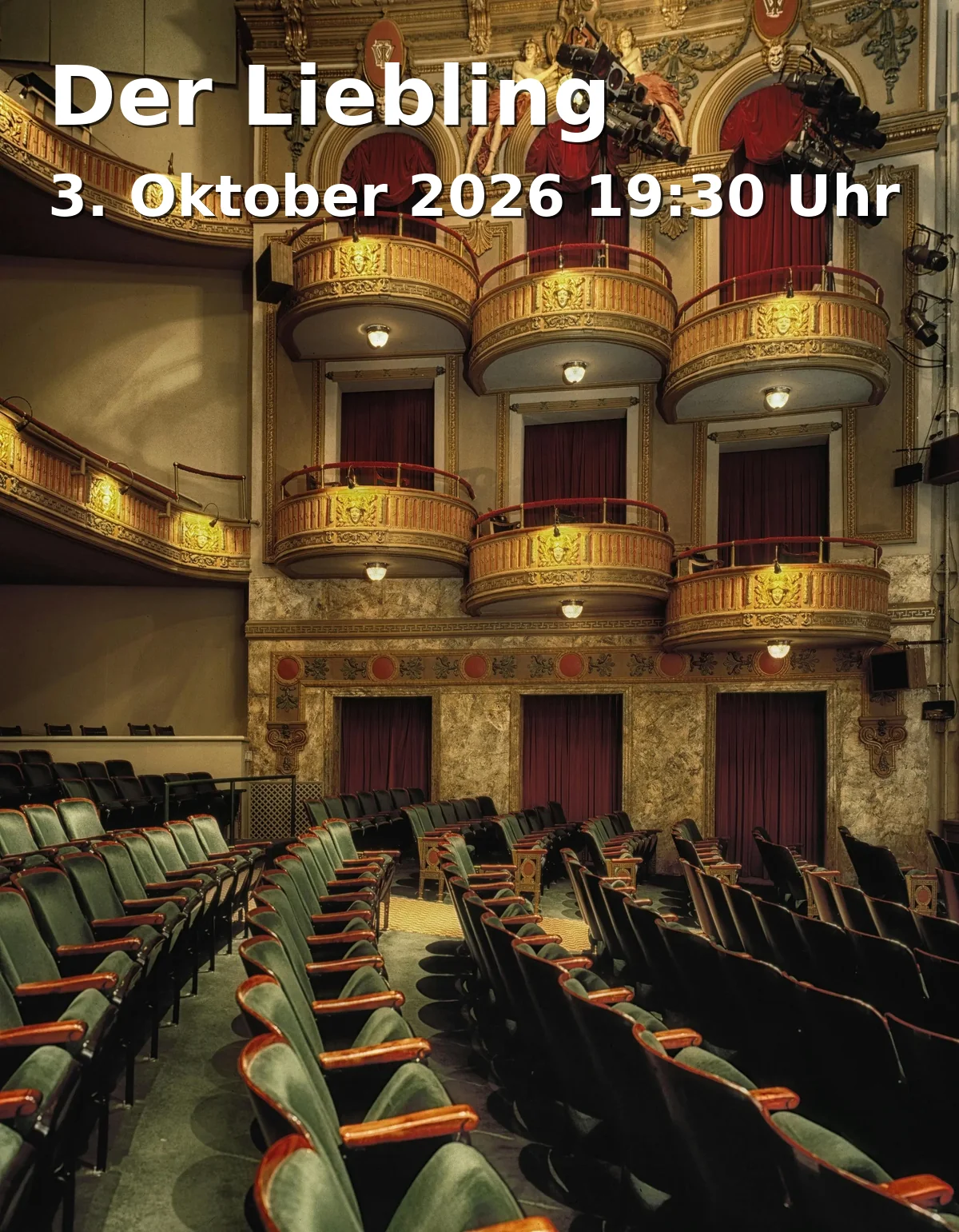
The Favorite
An evening full of pace, argumentative spirit, and clever dialogues: The Favorite starts in Bochum with a sharp focus on power and rivalry. #Theater
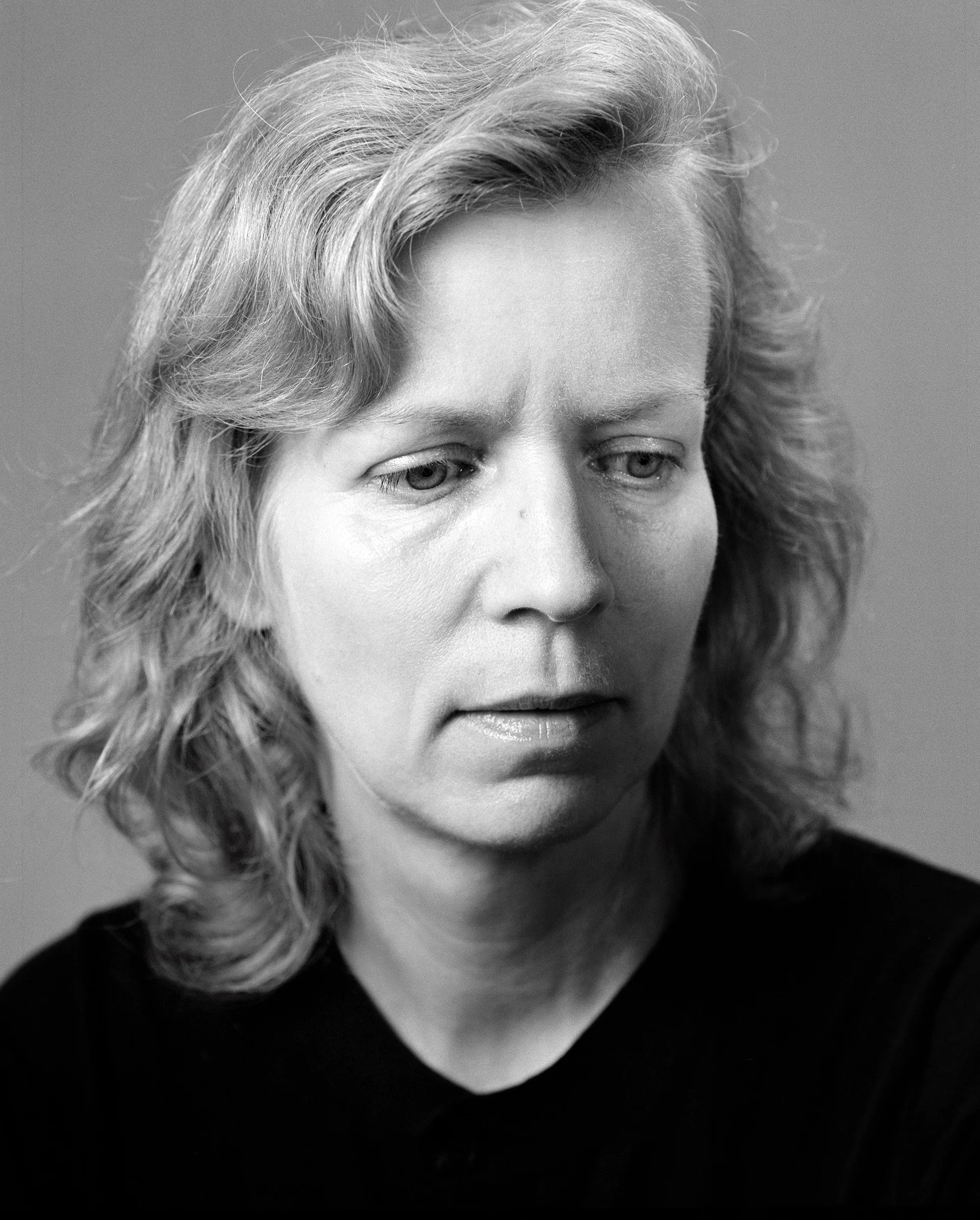
A Guest. One Hour: Katharina Grosse in conversation with Norbert Lammert
An inspiring Sunday in Bochum: Norbert Lammert meets Katharina Grosse in the Kammerspiele. Art, biography, and debate starting at 11:30 AM. #Bochum
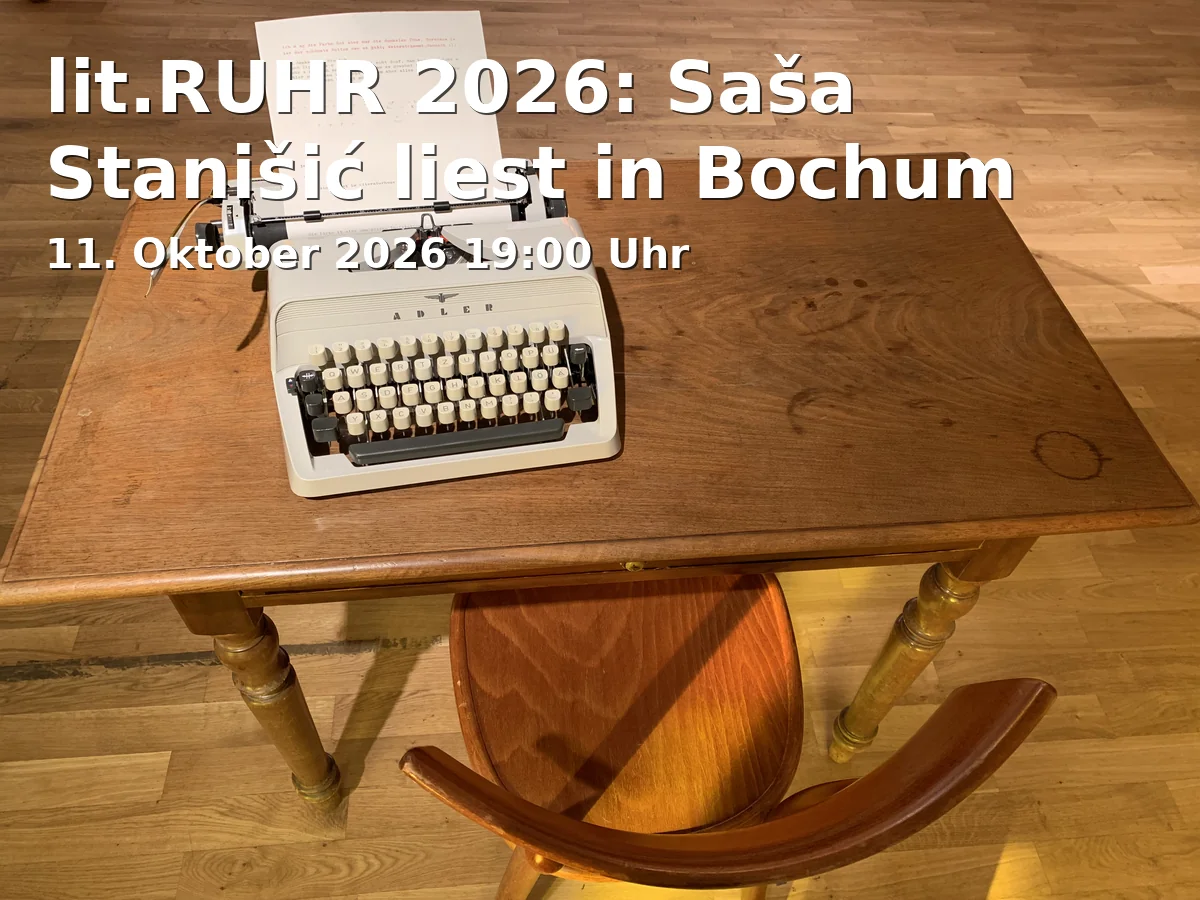
lit.RUHR 2026: Saša Stanišić reads in Bochum
A literary evening full of linguistic power in Bochum: Saša Stanišić reads at lit.RUHR 2026. Speech, rhythm, and stance meet stage magic. #litRUHR
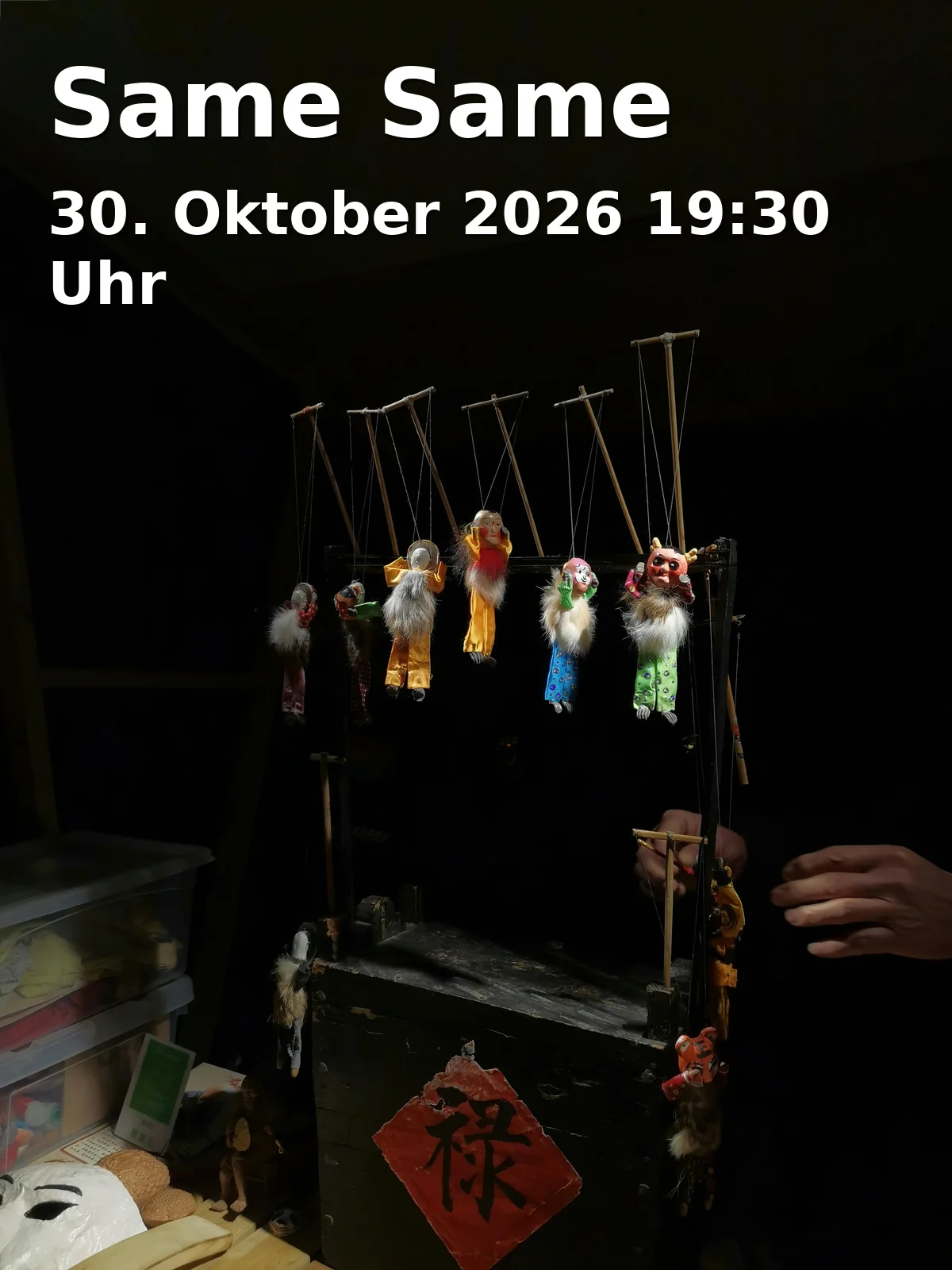
Same Same
Twins, identity, and grand stage designs: Same Same in the Kammerspiele Bochum promises theater with depth. 30.10.2026, from €13.50. Discover now. #Bochum

Şeyda Kurt: Time of Monsters
An evening for strong texts and clear thoughts: Şeyda Kurt brings Time of Monsters to Bochum. Reading on 09.11.2026, Tickets 12 Euros. #Bochum
Jewish Chamber Orchestra Munich: Heimkehr

Bergmann & Bartkowski – The Movie Trip Show
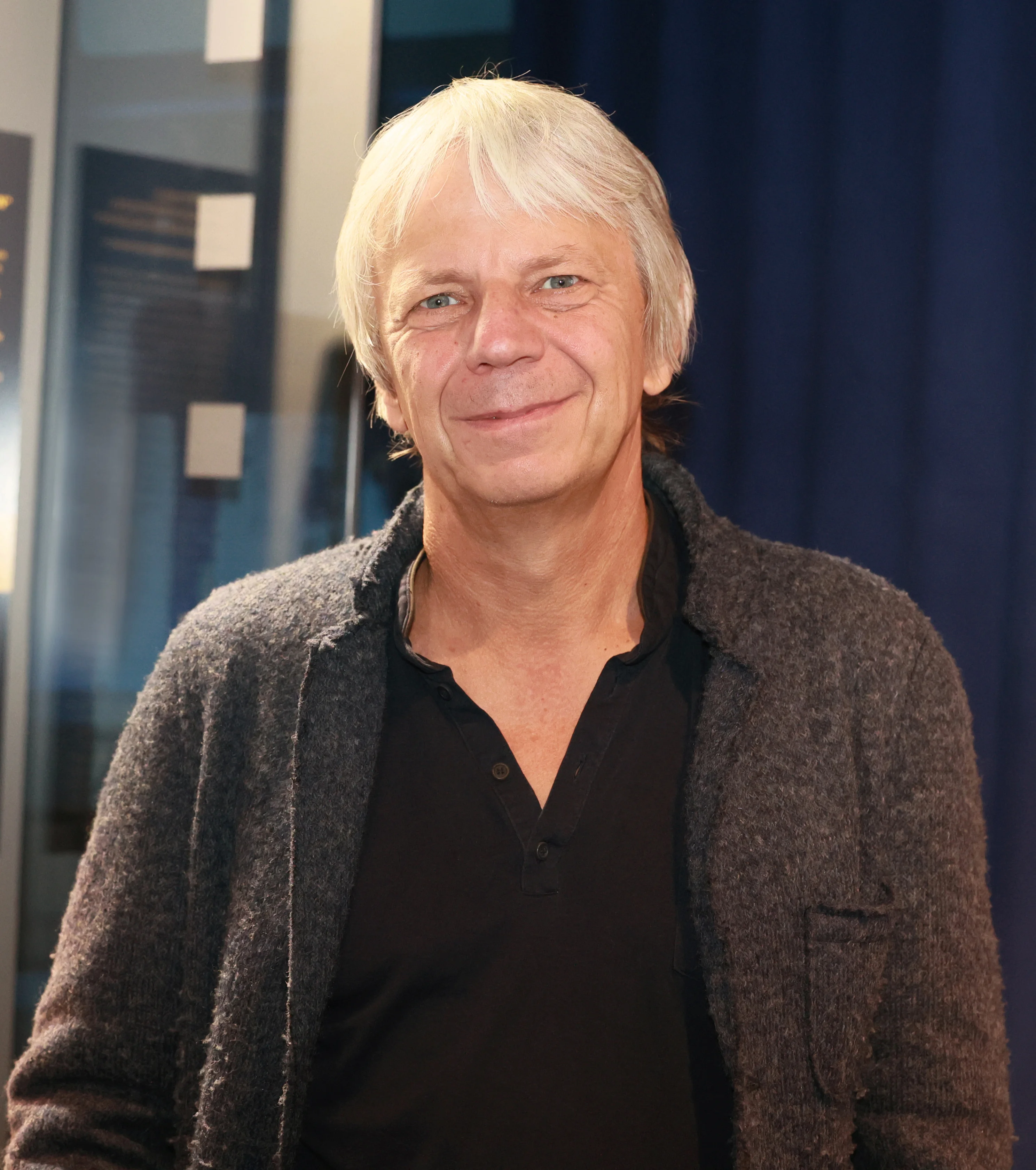
TV Off, Shooting Stars On!
Bochum experiences an evening full of music, stories, and stage magic: Alexander Scheer | Andreas Dresen & Band bring Gundermann live. 02/07/2027, from 39 €. #Bochum

Dirk von Lowtzow
Dirk von Lowtzow live at Kammerspiele Bochum: Reading, concert, and Tocotronic songs in an intimate atmosphere. 08.02.2027. #Bochum #Live
Frequently Asked Questions
Reviews
No reviews found