
Witten
Parkplatz, Parkplatz, 58452 Witten, Deutschland
Parking Nachtigallstraße | Parking & Access
The parking lot Nachtigallstraße is in Witten much more than just a simple parking space. It is the most important practical access to Muttental and thus to the LWL-Museum Zeche Nachtigall, one of the central places of Witten's industrial culture. Those arriving by car have a clear point of orientation for walks, museum visits, and events around the cradle of Ruhr mining. This is particularly relevant because the direct parking situation at the mine itself is limited, and official notices therefore explicitly refer to the parking lot Nachtigallstraße. At the same time, the location is in a landscape that is historically, naturally, and touristically closely connected. This combination of good accessibility, short distance to the museum, and proximity to hiking trails makes the place one of the most important points of contact in Muttental. ([zeche-nachtigall.lwl.org](https://zeche-nachtigall.lwl.org/de/besuch/allgemeine-informationen/))
Access to Parking Nachtigallstraße
The access is officially well described: From the A43, take the exit Witten-Heven, follow Herbeder Straße to B235/B226, stay on Ruhrstraße, and turn right into Nachtigallstraße after the Ruhr bridge. This routing is especially helpful because it directs the incoming traffic early to the right axis and clearly marks the entry into Muttental. Those coming from the city center or from the Ruhr valley orient themselves to one of the most important access roads to Zeche Nachtigall and the adjacent recreational area. For visitors, this is practical because the route not only serves as museum access but also makes the connection between the city, Ruhr, and Muttental visible. The official signage and tourist information focus precisely on this point: first onto Ruhrstraße, then into Nachtigallstraße, and finally into the area of the parking lot. ([zeche-nachtigall.lwl.org](https://zeche-nachtigall.lwl.org/de/besuch/allgemeine-informationen/))
In addition to the car access, it is also worth looking at the other routes. The LWL-Museum names Witten main station as a practical starting point for pedestrians; from there, the walk via Herbeder Straße and Im Sundern takes about 20 minutes. The location is also attractive for cyclists because Zeche Nachtigall is directly on the Ruhr valley cycle path and can therefore be easily combined with a cycling tour. For the parking lot Nachtigallstraße, this means: It is not an isolated parking spot but part of a larger mobility concept between the train station, Ruhr valley cycle path, Muttental, and museum. This combination makes the location so valuable for day trips. Those who park their car there can comfortably continue their visit on foot, by bike, or, for special offers, also with the train and shuttle logistics. ([zeche-nachtigall.lwl.org](https://zeche-nachtigall.lwl.org/de/besuch/allgemeine-informationen/))
Parking at the Entrance to Muttental
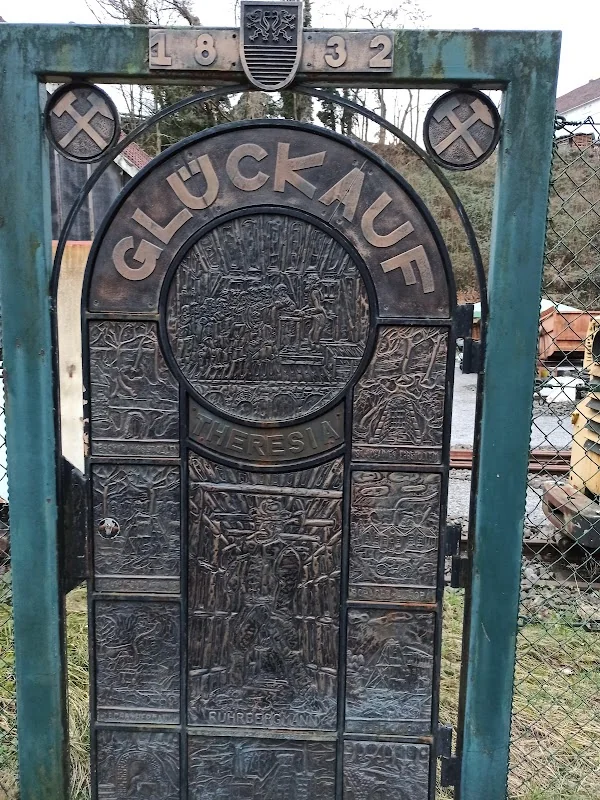
The main reason why many visitors head to the parking lot Nachtigallstraße is the clear recommendation of the museum itself. The walking distance from the parking lot to the museum is about 1.3 kilometers, or about 18 minutes of walking time. The official route first leads along Nachtigallstraße to the west, then past the mining and field railway museum Zeche Theresia, further along a forest path at the nature garden of the nature conservation group Witten, and finally back onto Nachtigallstraße to the entrance of the LWL-Museum. This is not just a mere access path but already a small part of the excursion because the route brings together the surroundings of Muttental, the mining environment, and the natural backdrop. Those who want to arrive comfortably and without searching for parking benefit from this clear structure. ([zeche-nachtigall.lwl.org](https://zeche-nachtigall.lwl.org/de/besuch/allgemeine-informationen/))
The relieving function of the parking lot is also officially documented. The city of Witten points out that due to the lack of parking options in the vicinity of Zeche Nachtigall, there is often parking search traffic, illegal parking on the roadside, and conflicts with other road users. Therefore, the parking solution at the entrance to Muttental is intended to consolidate traffic and relieve the sensitive area around the mine. The museum adds to this view by noting that there are only a few parking spaces directly at the mine; of the seven parking spaces in the immediate vicinity of the museum entrance, two are reserved for wheelchair users and people with mobility impairments. For visitors, this is an important note: The parking lot Nachtigallstraße is the more reliable starting point, while the immediate spaces at the mine are rather scarce. ([witten.de](https://www.witten.de/portal/seiten/bebauungsplan-nr-267-mit-parkplatz-am-ruhrdeich--900000349-37500.html?utm_source=openai))
Zeche Nachtigall and Industrial Culture
Those who use the parking lot Nachtigallstraße are in the immediate vicinity of one of the most historically significant places in the Ruhr area. The LWL-Museum describes Zeche Nachtigall as the place where Ruhr mining began more than 300 years ago. The facility is located at the entrance to the idyllic Muttental, and the official museum profile explains the development from early tunnel construction to deep mining. The city marketing page adds to this history by noting that Zeche Nachtigall emerged from a small mine mentioned as early as 1714, developed into deep mining in the early 19th century, and ceased operations in 1892 due to poor seam conditions and large water inflows. This makes the visit not only touristically interesting but also historically significant, as early mining history remains visible in a way that is comprehensible for visitors. ([zeche-nachtigall.lwl.org](https://zeche-nachtigall.lwl.org/de/))
After the end of mining, the site continued to evolve. According to city marketing, the facility was subsequently converted into the brickworks Dünkelberg, which processed clay slate from the nearby Muttental quarry into bricks. Among other things, the machine house with extensions, the washing house, an administrative and residential building, and the square chimney have been preserved; two chamber ring kilns also date from the brickworks period. The machine house houses one of the oldest steam hoisting machines in the region from 1887, which is regularly demonstrated. This combination of preserved buildings, technology, and storytelling makes Zeche Nachtigall a place that goes far beyond a simple museum location. For visitors to the parking lot, this means: The way to the museum leads directly into a reconstructable industrial history that is not only read but spatially experienced. ([stadtmarketing-witten.de](https://stadtmarketing-witten.de/entdecken-erleben/ausflugsziele/lwl-industriemuseum-zeche-nachtigall?utm_source=openai))
Muttental as a Destination
Muttental is the actual environment into which one parks for the parking lot Nachtigallstraße. City marketing Witten calls the valley the cradle of Ruhr mining and describes that hard coal mining began here at times with around 60 small mines. At the same time, the valley stands not only for mining history but also for a picturesque natural landscape. This connection makes the place so attractive for day visitors: One comes for industrial culture but stays because of the paths, greenery, and historical stations. The parking lot is thus located at an intersection between excursion, museum, and movement in nature. Those who get out there do not start in an anonymous outskirt but in an area that has been connected to work, landscape, and memory for centuries. ([stadtmarketing-witten.de](https://stadtmarketing-witten.de/entdecken-erleben/ausflugsziele/muttental?utm_source=openai))
Several destinations can be meaningfully combined around the parking lot. Nearby points include Zeche Nachtigall itself, the mining and field railway museum Zeche Theresia, the miners' chapel, and other stations of Muttental. City marketing Witten also points out that visitor trips from the parking lot Nachtigallstraße to Zeche Theresia and further to Zeche Nachtigall are offered. For hikers and families, this is particularly interesting because one can use the parking lot as a starting or turning point and then continue on foot. Thus, a pure parking lot becomes a practical hub for an entire day trip. The location is therefore ideal for people who do not want to see industrial culture in isolation but as a route through landscape, history, and regional identity. ([stadtmarketing-witten.de](https://stadtmarketing-witten.de/entdecken-erleben/ausflugsziele/zeche-theresia?utm_source=openai))
Muttenthalbahn, Shuttle, and Events
The parking lot Nachtigallstraße becomes particularly lively during events. The city of Witten and city marketing regularly name it as a stop for shuttle buses in Muttental; during Muttental festivals, the shuttle bus stops there as well as at Zeche Nachtigall, Auf der Martha, and at the corner of Berghauserstraße / Muttentalstraße. City marketing also describes that visitors can continue from the parking lot with the Muttenthalbahn and the municipal electric path train to Zeche Nachtigall or to other stations. The LWL-Museum also mentions the Muttenthalbahn, which shuttles between the parking lot and the museum, for selected action days. For guests, this is a decisive advantage because the parking lot is not just parking space but also a kind of transfer point into the local visitor system. Especially on busy days, this relieves the access and makes the process more manageable. ([stadtmarketing-witten.de](https://stadtmarketing-witten.de/entdecken-erleben/veranstaltungen/muttentalfest?utm_source=openai))
The event logic around Muttental also explains why the location is so important. The city of Witten points out in several communications that the parking situation in this area is limited and that additional guidance, shuttle services, or road closures may be necessary during large events. Those who choose the parking lot Nachtigallstraße as a destination avoid many of these uncertainties and follow an established visitor route. This applies not only to museum offerings but also to family festivals, guided tours, and seasonal programs in Muttental. The combination of parking lot, train service, footpaths, and clear meeting points makes the location a logistical hub that makes the visit more pleasant and clearer. That is exactly why it keeps appearing in the official notices. ([witten.de](https://www.witten.de/portal/seiten/bebauungsplan-nr-267-mit-parkplatz-am-ruhrdeich--900000349-37500.html?utm_source=openai))
Photos, Reviews, and Practical Orientation
The search queries for photos and reviews show mainly a practical interest: People want to know what the place looks like, how it can be classified, and whether it really serves as a starting point. In map and tour platforms, the parking lot Nachtigallstraße is listed as a parking area or as a highlight in Muttental, and the surroundings are linked there with tours around the valley. However, for actual visit planning, the official information is more important than individual reviews. What matters is that the place functions as a clear point of orientation between the city, Muttental, and museum, thus enabling reliable access. Those who look at pictures in advance primarily recognize the location in the landscape-shaped Ruhr valley area and the proximity to the paths that lead further into the valley. ([mapcarta.com](https://mapcarta.com/W25405356?utm_source=openai))
Practically speaking, the most important recommendation is therefore: Plan the parking lot Nachtigallstraße as a starting point, consider the walking time to the museum of about 18 minutes, and check the shuttle or train offers for special events. Those who arrive directly at the mine will find only a few parking spaces in the immediate vicinity of the entrance; that is exactly why the visitor parking lot at the entrance to Muttental is so relevant. For guests with mobility impairments, the reserved spaces near the museum are an important additional note. For everyone else, the location is ideal if one seeks a quiet, structured, and historically charged access to Zeche Nachtigall, Muttental, and the surrounding stations. Thus, photos, reviews, and real orientation ultimately combine to form a clear statement: This parking lot is primarily a functional starting point for a content-rich visit. ([zeche-nachtigall.lwl.org](https://zeche-nachtigall.lwl.org/de/besuch/allgemeine-informationen/))
Sources:
- LWL-Museum Zeche Nachtigall - General Information ([zeche-nachtigall.lwl.org](https://zeche-nachtigall.lwl.org/de/besuch/allgemeine-informationen/))
- LWL-Museum Zeche Nachtigall - Homepage ([zeche-nachtigall.lwl.org](https://zeche-nachtigall.lwl.org/de/))
- City Marketing Witten - LWL-Industrial Museum Zeche Nachtigall ([stadtmarketing-witten.de](https://stadtmarketing-witten.de/entdecken-erleben/ausflugsziele/lwl-industriemuseum-zeche-nachtigall?utm_source=openai))
- City Marketing Witten - Muttental ([stadtmarketing-witten.de](https://stadtmarketing-witten.de/entdecken-erleben/ausflugsziele/muttental?utm_source=openai))
- City Marketing Witten - Zeche Theresia ([stadtmarketing-witten.de](https://stadtmarketing-witten.de/entdecken-erleben/ausflugsziele/zeche-theresia?utm_source=openai))
- City Marketing Witten - Muttental Festival ([stadtmarketing-witten.de](https://stadtmarketing-witten.de/entdecken-erleben/veranstaltungen/muttentalfest?utm_source=openai))
Show moreShow less
Parking Nachtigallstraße | Parking & Access
The parking lot Nachtigallstraße is in Witten much more than just a simple parking space. It is the most important practical access to Muttental and thus to the LWL-Museum Zeche Nachtigall, one of the central places of Witten's industrial culture. Those arriving by car have a clear point of orientation for walks, museum visits, and events around the cradle of Ruhr mining. This is particularly relevant because the direct parking situation at the mine itself is limited, and official notices therefore explicitly refer to the parking lot Nachtigallstraße. At the same time, the location is in a landscape that is historically, naturally, and touristically closely connected. This combination of good accessibility, short distance to the museum, and proximity to hiking trails makes the place one of the most important points of contact in Muttental. ([zeche-nachtigall.lwl.org](https://zeche-nachtigall.lwl.org/de/besuch/allgemeine-informationen/))
Access to Parking Nachtigallstraße
The access is officially well described: From the A43, take the exit Witten-Heven, follow Herbeder Straße to B235/B226, stay on Ruhrstraße, and turn right into Nachtigallstraße after the Ruhr bridge. This routing is especially helpful because it directs the incoming traffic early to the right axis and clearly marks the entry into Muttental. Those coming from the city center or from the Ruhr valley orient themselves to one of the most important access roads to Zeche Nachtigall and the adjacent recreational area. For visitors, this is practical because the route not only serves as museum access but also makes the connection between the city, Ruhr, and Muttental visible. The official signage and tourist information focus precisely on this point: first onto Ruhrstraße, then into Nachtigallstraße, and finally into the area of the parking lot. ([zeche-nachtigall.lwl.org](https://zeche-nachtigall.lwl.org/de/besuch/allgemeine-informationen/))
In addition to the car access, it is also worth looking at the other routes. The LWL-Museum names Witten main station as a practical starting point for pedestrians; from there, the walk via Herbeder Straße and Im Sundern takes about 20 minutes. The location is also attractive for cyclists because Zeche Nachtigall is directly on the Ruhr valley cycle path and can therefore be easily combined with a cycling tour. For the parking lot Nachtigallstraße, this means: It is not an isolated parking spot but part of a larger mobility concept between the train station, Ruhr valley cycle path, Muttental, and museum. This combination makes the location so valuable for day trips. Those who park their car there can comfortably continue their visit on foot, by bike, or, for special offers, also with the train and shuttle logistics. ([zeche-nachtigall.lwl.org](https://zeche-nachtigall.lwl.org/de/besuch/allgemeine-informationen/))
Parking at the Entrance to Muttental
The main reason why many visitors head to the parking lot Nachtigallstraße is the clear recommendation of the museum itself. The walking distance from the parking lot to the museum is about 1.3 kilometers, or about 18 minutes of walking time. The official route first leads along Nachtigallstraße to the west, then past the mining and field railway museum Zeche Theresia, further along a forest path at the nature garden of the nature conservation group Witten, and finally back onto Nachtigallstraße to the entrance of the LWL-Museum. This is not just a mere access path but already a small part of the excursion because the route brings together the surroundings of Muttental, the mining environment, and the natural backdrop. Those who want to arrive comfortably and without searching for parking benefit from this clear structure. ([zeche-nachtigall.lwl.org](https://zeche-nachtigall.lwl.org/de/besuch/allgemeine-informationen/))
The relieving function of the parking lot is also officially documented. The city of Witten points out that due to the lack of parking options in the vicinity of Zeche Nachtigall, there is often parking search traffic, illegal parking on the roadside, and conflicts with other road users. Therefore, the parking solution at the entrance to Muttental is intended to consolidate traffic and relieve the sensitive area around the mine. The museum adds to this view by noting that there are only a few parking spaces directly at the mine; of the seven parking spaces in the immediate vicinity of the museum entrance, two are reserved for wheelchair users and people with mobility impairments. For visitors, this is an important note: The parking lot Nachtigallstraße is the more reliable starting point, while the immediate spaces at the mine are rather scarce. ([witten.de](https://www.witten.de/portal/seiten/bebauungsplan-nr-267-mit-parkplatz-am-ruhrdeich--900000349-37500.html?utm_source=openai))
Zeche Nachtigall and Industrial Culture
Those who use the parking lot Nachtigallstraße are in the immediate vicinity of one of the most historically significant places in the Ruhr area. The LWL-Museum describes Zeche Nachtigall as the place where Ruhr mining began more than 300 years ago. The facility is located at the entrance to the idyllic Muttental, and the official museum profile explains the development from early tunnel construction to deep mining. The city marketing page adds to this history by noting that Zeche Nachtigall emerged from a small mine mentioned as early as 1714, developed into deep mining in the early 19th century, and ceased operations in 1892 due to poor seam conditions and large water inflows. This makes the visit not only touristically interesting but also historically significant, as early mining history remains visible in a way that is comprehensible for visitors. ([zeche-nachtigall.lwl.org](https://zeche-nachtigall.lwl.org/de/))
After the end of mining, the site continued to evolve. According to city marketing, the facility was subsequently converted into the brickworks Dünkelberg, which processed clay slate from the nearby Muttental quarry into bricks. Among other things, the machine house with extensions, the washing house, an administrative and residential building, and the square chimney have been preserved; two chamber ring kilns also date from the brickworks period. The machine house houses one of the oldest steam hoisting machines in the region from 1887, which is regularly demonstrated. This combination of preserved buildings, technology, and storytelling makes Zeche Nachtigall a place that goes far beyond a simple museum location. For visitors to the parking lot, this means: The way to the museum leads directly into a reconstructable industrial history that is not only read but spatially experienced. ([stadtmarketing-witten.de](https://stadtmarketing-witten.de/entdecken-erleben/ausflugsziele/lwl-industriemuseum-zeche-nachtigall?utm_source=openai))
Muttental as a Destination
Muttental is the actual environment into which one parks for the parking lot Nachtigallstraße. City marketing Witten calls the valley the cradle of Ruhr mining and describes that hard coal mining began here at times with around 60 small mines. At the same time, the valley stands not only for mining history but also for a picturesque natural landscape. This connection makes the place so attractive for day visitors: One comes for industrial culture but stays because of the paths, greenery, and historical stations. The parking lot is thus located at an intersection between excursion, museum, and movement in nature. Those who get out there do not start in an anonymous outskirt but in an area that has been connected to work, landscape, and memory for centuries. ([stadtmarketing-witten.de](https://stadtmarketing-witten.de/entdecken-erleben/ausflugsziele/muttental?utm_source=openai))
Several destinations can be meaningfully combined around the parking lot. Nearby points include Zeche Nachtigall itself, the mining and field railway museum Zeche Theresia, the miners' chapel, and other stations of Muttental. City marketing Witten also points out that visitor trips from the parking lot Nachtigallstraße to Zeche Theresia and further to Zeche Nachtigall are offered. For hikers and families, this is particularly interesting because one can use the parking lot as a starting or turning point and then continue on foot. Thus, a pure parking lot becomes a practical hub for an entire day trip. The location is therefore ideal for people who do not want to see industrial culture in isolation but as a route through landscape, history, and regional identity. ([stadtmarketing-witten.de](https://stadtmarketing-witten.de/entdecken-erleben/ausflugsziele/zeche-theresia?utm_source=openai))
Muttenthalbahn, Shuttle, and Events
The parking lot Nachtigallstraße becomes particularly lively during events. The city of Witten and city marketing regularly name it as a stop for shuttle buses in Muttental; during Muttental festivals, the shuttle bus stops there as well as at Zeche Nachtigall, Auf der Martha, and at the corner of Berghauserstraße / Muttentalstraße. City marketing also describes that visitors can continue from the parking lot with the Muttenthalbahn and the municipal electric path train to Zeche Nachtigall or to other stations. The LWL-Museum also mentions the Muttenthalbahn, which shuttles between the parking lot and the museum, for selected action days. For guests, this is a decisive advantage because the parking lot is not just parking space but also a kind of transfer point into the local visitor system. Especially on busy days, this relieves the access and makes the process more manageable. ([stadtmarketing-witten.de](https://stadtmarketing-witten.de/entdecken-erleben/veranstaltungen/muttentalfest?utm_source=openai))
The event logic around Muttental also explains why the location is so important. The city of Witten points out in several communications that the parking situation in this area is limited and that additional guidance, shuttle services, or road closures may be necessary during large events. Those who choose the parking lot Nachtigallstraße as a destination avoid many of these uncertainties and follow an established visitor route. This applies not only to museum offerings but also to family festivals, guided tours, and seasonal programs in Muttental. The combination of parking lot, train service, footpaths, and clear meeting points makes the location a logistical hub that makes the visit more pleasant and clearer. That is exactly why it keeps appearing in the official notices. ([witten.de](https://www.witten.de/portal/seiten/bebauungsplan-nr-267-mit-parkplatz-am-ruhrdeich--900000349-37500.html?utm_source=openai))
Photos, Reviews, and Practical Orientation
The search queries for photos and reviews show mainly a practical interest: People want to know what the place looks like, how it can be classified, and whether it really serves as a starting point. In map and tour platforms, the parking lot Nachtigallstraße is listed as a parking area or as a highlight in Muttental, and the surroundings are linked there with tours around the valley. However, for actual visit planning, the official information is more important than individual reviews. What matters is that the place functions as a clear point of orientation between the city, Muttental, and museum, thus enabling reliable access. Those who look at pictures in advance primarily recognize the location in the landscape-shaped Ruhr valley area and the proximity to the paths that lead further into the valley. ([mapcarta.com](https://mapcarta.com/W25405356?utm_source=openai))
Practically speaking, the most important recommendation is therefore: Plan the parking lot Nachtigallstraße as a starting point, consider the walking time to the museum of about 18 minutes, and check the shuttle or train offers for special events. Those who arrive directly at the mine will find only a few parking spaces in the immediate vicinity of the entrance; that is exactly why the visitor parking lot at the entrance to Muttental is so relevant. For guests with mobility impairments, the reserved spaces near the museum are an important additional note. For everyone else, the location is ideal if one seeks a quiet, structured, and historically charged access to Zeche Nachtigall, Muttental, and the surrounding stations. Thus, photos, reviews, and real orientation ultimately combine to form a clear statement: This parking lot is primarily a functional starting point for a content-rich visit. ([zeche-nachtigall.lwl.org](https://zeche-nachtigall.lwl.org/de/besuch/allgemeine-informationen/))
Sources:
- LWL-Museum Zeche Nachtigall - General Information ([zeche-nachtigall.lwl.org](https://zeche-nachtigall.lwl.org/de/besuch/allgemeine-informationen/))
- LWL-Museum Zeche Nachtigall - Homepage ([zeche-nachtigall.lwl.org](https://zeche-nachtigall.lwl.org/de/))
- City Marketing Witten - LWL-Industrial Museum Zeche Nachtigall ([stadtmarketing-witten.de](https://stadtmarketing-witten.de/entdecken-erleben/ausflugsziele/lwl-industriemuseum-zeche-nachtigall?utm_source=openai))
- City Marketing Witten - Muttental ([stadtmarketing-witten.de](https://stadtmarketing-witten.de/entdecken-erleben/ausflugsziele/muttental?utm_source=openai))
- City Marketing Witten - Zeche Theresia ([stadtmarketing-witten.de](https://stadtmarketing-witten.de/entdecken-erleben/ausflugsziele/zeche-theresia?utm_source=openai))
- City Marketing Witten - Muttental Festival ([stadtmarketing-witten.de](https://stadtmarketing-witten.de/entdecken-erleben/veranstaltungen/muttentalfest?utm_source=openai))
Parking Nachtigallstraße | Parking & Access
The parking lot Nachtigallstraße is in Witten much more than just a simple parking space. It is the most important practical access to Muttental and thus to the LWL-Museum Zeche Nachtigall, one of the central places of Witten's industrial culture. Those arriving by car have a clear point of orientation for walks, museum visits, and events around the cradle of Ruhr mining. This is particularly relevant because the direct parking situation at the mine itself is limited, and official notices therefore explicitly refer to the parking lot Nachtigallstraße. At the same time, the location is in a landscape that is historically, naturally, and touristically closely connected. This combination of good accessibility, short distance to the museum, and proximity to hiking trails makes the place one of the most important points of contact in Muttental. ([zeche-nachtigall.lwl.org](https://zeche-nachtigall.lwl.org/de/besuch/allgemeine-informationen/))
Access to Parking Nachtigallstraße
The access is officially well described: From the A43, take the exit Witten-Heven, follow Herbeder Straße to B235/B226, stay on Ruhrstraße, and turn right into Nachtigallstraße after the Ruhr bridge. This routing is especially helpful because it directs the incoming traffic early to the right axis and clearly marks the entry into Muttental. Those coming from the city center or from the Ruhr valley orient themselves to one of the most important access roads to Zeche Nachtigall and the adjacent recreational area. For visitors, this is practical because the route not only serves as museum access but also makes the connection between the city, Ruhr, and Muttental visible. The official signage and tourist information focus precisely on this point: first onto Ruhrstraße, then into Nachtigallstraße, and finally into the area of the parking lot. ([zeche-nachtigall.lwl.org](https://zeche-nachtigall.lwl.org/de/besuch/allgemeine-informationen/))
In addition to the car access, it is also worth looking at the other routes. The LWL-Museum names Witten main station as a practical starting point for pedestrians; from there, the walk via Herbeder Straße and Im Sundern takes about 20 minutes. The location is also attractive for cyclists because Zeche Nachtigall is directly on the Ruhr valley cycle path and can therefore be easily combined with a cycling tour. For the parking lot Nachtigallstraße, this means: It is not an isolated parking spot but part of a larger mobility concept between the train station, Ruhr valley cycle path, Muttental, and museum. This combination makes the location so valuable for day trips. Those who park their car there can comfortably continue their visit on foot, by bike, or, for special offers, also with the train and shuttle logistics. ([zeche-nachtigall.lwl.org](https://zeche-nachtigall.lwl.org/de/besuch/allgemeine-informationen/))
Parking at the Entrance to Muttental
The main reason why many visitors head to the parking lot Nachtigallstraße is the clear recommendation of the museum itself. The walking distance from the parking lot to the museum is about 1.3 kilometers, or about 18 minutes of walking time. The official route first leads along Nachtigallstraße to the west, then past the mining and field railway museum Zeche Theresia, further along a forest path at the nature garden of the nature conservation group Witten, and finally back onto Nachtigallstraße to the entrance of the LWL-Museum. This is not just a mere access path but already a small part of the excursion because the route brings together the surroundings of Muttental, the mining environment, and the natural backdrop. Those who want to arrive comfortably and without searching for parking benefit from this clear structure. ([zeche-nachtigall.lwl.org](https://zeche-nachtigall.lwl.org/de/besuch/allgemeine-informationen/))
The relieving function of the parking lot is also officially documented. The city of Witten points out that due to the lack of parking options in the vicinity of Zeche Nachtigall, there is often parking search traffic, illegal parking on the roadside, and conflicts with other road users. Therefore, the parking solution at the entrance to Muttental is intended to consolidate traffic and relieve the sensitive area around the mine. The museum adds to this view by noting that there are only a few parking spaces directly at the mine; of the seven parking spaces in the immediate vicinity of the museum entrance, two are reserved for wheelchair users and people with mobility impairments. For visitors, this is an important note: The parking lot Nachtigallstraße is the more reliable starting point, while the immediate spaces at the mine are rather scarce. ([witten.de](https://www.witten.de/portal/seiten/bebauungsplan-nr-267-mit-parkplatz-am-ruhrdeich--900000349-37500.html?utm_source=openai))
Zeche Nachtigall and Industrial Culture
Those who use the parking lot Nachtigallstraße are in the immediate vicinity of one of the most historically significant places in the Ruhr area. The LWL-Museum describes Zeche Nachtigall as the place where Ruhr mining began more than 300 years ago. The facility is located at the entrance to the idyllic Muttental, and the official museum profile explains the development from early tunnel construction to deep mining. The city marketing page adds to this history by noting that Zeche Nachtigall emerged from a small mine mentioned as early as 1714, developed into deep mining in the early 19th century, and ceased operations in 1892 due to poor seam conditions and large water inflows. This makes the visit not only touristically interesting but also historically significant, as early mining history remains visible in a way that is comprehensible for visitors. ([zeche-nachtigall.lwl.org](https://zeche-nachtigall.lwl.org/de/))
After the end of mining, the site continued to evolve. According to city marketing, the facility was subsequently converted into the brickworks Dünkelberg, which processed clay slate from the nearby Muttental quarry into bricks. Among other things, the machine house with extensions, the washing house, an administrative and residential building, and the square chimney have been preserved; two chamber ring kilns also date from the brickworks period. The machine house houses one of the oldest steam hoisting machines in the region from 1887, which is regularly demonstrated. This combination of preserved buildings, technology, and storytelling makes Zeche Nachtigall a place that goes far beyond a simple museum location. For visitors to the parking lot, this means: The way to the museum leads directly into a reconstructable industrial history that is not only read but spatially experienced. ([stadtmarketing-witten.de](https://stadtmarketing-witten.de/entdecken-erleben/ausflugsziele/lwl-industriemuseum-zeche-nachtigall?utm_source=openai))
Muttental as a Destination
Muttental is the actual environment into which one parks for the parking lot Nachtigallstraße. City marketing Witten calls the valley the cradle of Ruhr mining and describes that hard coal mining began here at times with around 60 small mines. At the same time, the valley stands not only for mining history but also for a picturesque natural landscape. This connection makes the place so attractive for day visitors: One comes for industrial culture but stays because of the paths, greenery, and historical stations. The parking lot is thus located at an intersection between excursion, museum, and movement in nature. Those who get out there do not start in an anonymous outskirt but in an area that has been connected to work, landscape, and memory for centuries. ([stadtmarketing-witten.de](https://stadtmarketing-witten.de/entdecken-erleben/ausflugsziele/muttental?utm_source=openai))
Several destinations can be meaningfully combined around the parking lot. Nearby points include Zeche Nachtigall itself, the mining and field railway museum Zeche Theresia, the miners' chapel, and other stations of Muttental. City marketing Witten also points out that visitor trips from the parking lot Nachtigallstraße to Zeche Theresia and further to Zeche Nachtigall are offered. For hikers and families, this is particularly interesting because one can use the parking lot as a starting or turning point and then continue on foot. Thus, a pure parking lot becomes a practical hub for an entire day trip. The location is therefore ideal for people who do not want to see industrial culture in isolation but as a route through landscape, history, and regional identity. ([stadtmarketing-witten.de](https://stadtmarketing-witten.de/entdecken-erleben/ausflugsziele/zeche-theresia?utm_source=openai))
Muttenthalbahn, Shuttle, and Events
The parking lot Nachtigallstraße becomes particularly lively during events. The city of Witten and city marketing regularly name it as a stop for shuttle buses in Muttental; during Muttental festivals, the shuttle bus stops there as well as at Zeche Nachtigall, Auf der Martha, and at the corner of Berghauserstraße / Muttentalstraße. City marketing also describes that visitors can continue from the parking lot with the Muttenthalbahn and the municipal electric path train to Zeche Nachtigall or to other stations. The LWL-Museum also mentions the Muttenthalbahn, which shuttles between the parking lot and the museum, for selected action days. For guests, this is a decisive advantage because the parking lot is not just parking space but also a kind of transfer point into the local visitor system. Especially on busy days, this relieves the access and makes the process more manageable. ([stadtmarketing-witten.de](https://stadtmarketing-witten.de/entdecken-erleben/veranstaltungen/muttentalfest?utm_source=openai))
The event logic around Muttental also explains why the location is so important. The city of Witten points out in several communications that the parking situation in this area is limited and that additional guidance, shuttle services, or road closures may be necessary during large events. Those who choose the parking lot Nachtigallstraße as a destination avoid many of these uncertainties and follow an established visitor route. This applies not only to museum offerings but also to family festivals, guided tours, and seasonal programs in Muttental. The combination of parking lot, train service, footpaths, and clear meeting points makes the location a logistical hub that makes the visit more pleasant and clearer. That is exactly why it keeps appearing in the official notices. ([witten.de](https://www.witten.de/portal/seiten/bebauungsplan-nr-267-mit-parkplatz-am-ruhrdeich--900000349-37500.html?utm_source=openai))
Photos, Reviews, and Practical Orientation
The search queries for photos and reviews show mainly a practical interest: People want to know what the place looks like, how it can be classified, and whether it really serves as a starting point. In map and tour platforms, the parking lot Nachtigallstraße is listed as a parking area or as a highlight in Muttental, and the surroundings are linked there with tours around the valley. However, for actual visit planning, the official information is more important than individual reviews. What matters is that the place functions as a clear point of orientation between the city, Muttental, and museum, thus enabling reliable access. Those who look at pictures in advance primarily recognize the location in the landscape-shaped Ruhr valley area and the proximity to the paths that lead further into the valley. ([mapcarta.com](https://mapcarta.com/W25405356?utm_source=openai))
Practically speaking, the most important recommendation is therefore: Plan the parking lot Nachtigallstraße as a starting point, consider the walking time to the museum of about 18 minutes, and check the shuttle or train offers for special events. Those who arrive directly at the mine will find only a few parking spaces in the immediate vicinity of the entrance; that is exactly why the visitor parking lot at the entrance to Muttental is so relevant. For guests with mobility impairments, the reserved spaces near the museum are an important additional note. For everyone else, the location is ideal if one seeks a quiet, structured, and historically charged access to Zeche Nachtigall, Muttental, and the surrounding stations. Thus, photos, reviews, and real orientation ultimately combine to form a clear statement: This parking lot is primarily a functional starting point for a content-rich visit. ([zeche-nachtigall.lwl.org](https://zeche-nachtigall.lwl.org/de/besuch/allgemeine-informationen/))
Sources:
- LWL-Museum Zeche Nachtigall - General Information ([zeche-nachtigall.lwl.org](https://zeche-nachtigall.lwl.org/de/besuch/allgemeine-informationen/))
- LWL-Museum Zeche Nachtigall - Homepage ([zeche-nachtigall.lwl.org](https://zeche-nachtigall.lwl.org/de/))
- City Marketing Witten - LWL-Industrial Museum Zeche Nachtigall ([stadtmarketing-witten.de](https://stadtmarketing-witten.de/entdecken-erleben/ausflugsziele/lwl-industriemuseum-zeche-nachtigall?utm_source=openai))
- City Marketing Witten - Muttental ([stadtmarketing-witten.de](https://stadtmarketing-witten.de/entdecken-erleben/ausflugsziele/muttental?utm_source=openai))
- City Marketing Witten - Zeche Theresia ([stadtmarketing-witten.de](https://stadtmarketing-witten.de/entdecken-erleben/ausflugsziele/zeche-theresia?utm_source=openai))
- City Marketing Witten - Muttental Festival ([stadtmarketing-witten.de](https://stadtmarketing-witten.de/entdecken-erleben/veranstaltungen/muttentalfest?utm_source=openai))
Upcoming Events
No events found
Frequently Asked Questions
Reviews
Sebastian Braune
22. April 2021
Ok
W. aus S.
2. April 2025
I'm not entirely neutral, as at the time the parking lot was used for construction materials, which significantly reduced its size. But it's a great starting point for bike tours and hikes, as well as a ride on the little train or mining railway.
Nobby
8. June 2020
Free parking about 500m from Steinhausen Castle. Ideal for visiting the castle complex with café, restaurant, and the associated sculpture park.
L Krohm
17. July 2022
Hey Super good parking spot, perfect for taking a short or long walk from there.
Georg Seemann
13. December 2020
Optimal parking option that can be used as a starting point for circular hikes through the Muttental. On the way, you'll find Steinhausen Castle, Hardenstein Castle, and the Muttental.