
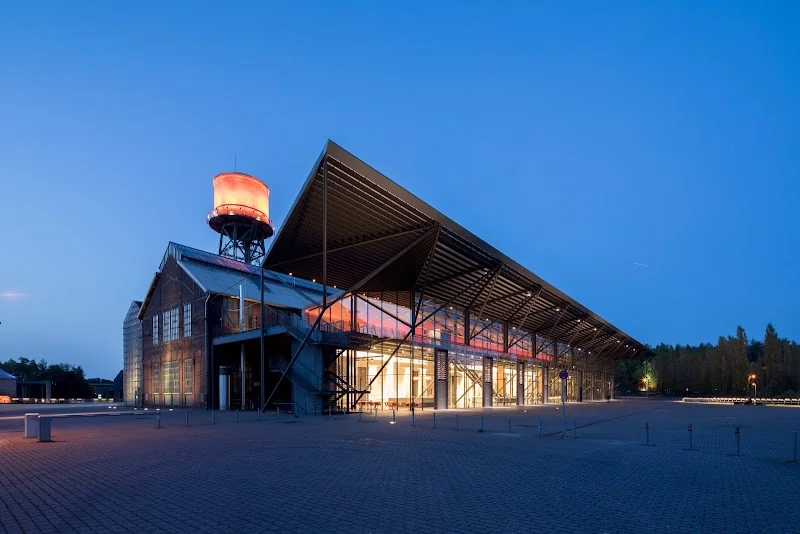
An d. Jahrhunderthalle 1, Bochum
An d. Jahrhunderthalle 1, 44793 Bochum, Germany
Jahrhunderthalle Bochum | Parking & Seating Plan
The Jahrhunderthalle Bochum is much more than just an event venue in the Ruhr area city of Bochum. It is a place where industrial culture, contemporary event technology, and an extraordinary spatial experience come together. Those looking for Jahrhunderthalle Bochum, program, parking, seating plan, or capacity will find a location that does not hide its history but makes it part of the experience. The hall is located in Westpark, is a listed building, and is one of the most well-known cultural and event venues in the region. For concerts, shows, fairs, business events, and festival formats, it offers a backdrop that leaves an immediate impression while remaining practical to plan. This blend of atmosphere and functionality has shaped the venue's reputation to this day. As a venue for the Ruhrtriennale and as a flexibly usable event house, the Jahrhunderthalle Bochum stands for the transformation from an industrial building to a modern cultural space. ([jahrhunderthalle-bochum.de](https://www.jahrhunderthalle-bochum.de/))
Directions, Parking, and Public Transport to Jahrhunderthalle Bochum
For many visitors, the impression of a location begins not in the hall but already upon arrival. The Jahrhunderthalle Bochum is accessible at the address An der Jahrhunderthalle 1, 44793 Bochum, making it clearly identifiable in the western part of Bochum. By car, the official route from the A40 leads via the exit Innenstadt West towards Bochum city center or Innenstadt West. After that, the signage and the parking symbol for Jahrhunderthalle Bochum guide you directly to the site, and after about a three-minute walk, you reach the hall. This short distance is a real plus for people who want to arrive comfortably and without complicated routes. Visitors use the nearby parking garage Westpark / Jahrhunderthalle; the entrance is located directly behind the roundabout. The official daily rate is 5.00 euros, and according to the FAQ, only card payments are possible in the parking garage. Additionally, there are parking spaces directly behind the hall available for customers and event organizers during events. ([jahrhunderthalle-bochum.de](https://www.jahrhunderthalle-bochum.de/veranstalten/anfahrt-parken))
Public transport also provides good access to the venue. The Ruhrtriennale lists tram lines 302, 305, and 310 as well as bus lines 345 and 355 to the stop Bochumer Verein / Jahrhunderthalle. From there, it is just a few minutes on foot. It is also convenient that there are bike racks and a bike station offer in the immediate vicinity; fixed bike racks are located in the forecourt and near the water tower, and there is also a metropolradruhr station. For electric cars, several Type 2 AC charging stations are available, and there are two charging spots in the parking garage Westpark / Jahrhunderthalle. It is also important to note the environmental zone: According to the FAQ, it begins immediately at the highway exit and encompasses the entire city center area, so the route can only be driven with a green environmental sticker. This makes planning arrival, navigation, and parking particularly relevant, especially when searching for Jahrhunderthalle Bochum Maps or directions. ([ruhrtriennale.de](https://www.ruhrtriennale.de/de/spielorte/jahrhunderthalle-bochum/1))
Seating Plan, Seats, and Capacity of Jahrhunderthalle Bochum
Those looking for a seating plan, seats, or capacity will quickly notice: The Jahrhunderthalle Bochum is not a classic hall with just one fixed layout, but a flexibly usable complex with several rooms and very different setups. This is exactly what makes the venue so interesting for event organizers. The official seating plans show that individual solutions are possible for different types of events and can be created upon request. For example, Hall 1 can be planned as a banquet, parliamentary variant, or row seating; there are also plans for Hall 4, the Turbine Hall, and the foyer. This means that the hall is not fixed to a single audience scheme but can be adapted to concerts, gala evenings, fairs, congresses, or shows. For visitors, this means: The specific seat always arises from the interplay of event, stage position, and seating arrangement. This is particularly important when searching for Jahrhunderthalle Bochum seating plan, as not every date has the same seating logic. ([jahrhunderthalle-bochum.de](https://www.jahrhunderthalle-bochum.de/fileadmin/user_upload/Bestuhlungsplaene_JHH_web_neu.pdf))
The capacity values show the enormous range of the location. Hall 1 measures 130 meters in length and has a floor area of 3,336 square meters; depending on the setup, it offers up to 3,700 standing places, 2,300 row seats, 1,300 parliamentary seats, or 1,200 banquet seats. Hall 3 is also large with 2,700 square meters and accommodates up to 1,800 standing places, 1,500 row seats, 1,200 seats on a buildable grandstand, 900 parliamentary seats, or 1,200 banquet seats. Hall 4 is described as the smallest hall and offers up to 1,200 standing places, 900 row seats, 650 parliamentary seats, or 750 banquet seats. The Turbine Hall is designed for up to 600 people, while the steam blower house allows for up to 199 standing places or 184 row seats, depending on the format. For open-air or large event formats, the North Meadow even creates up to 15,000 standing places. These numbers explain why Jahrhunderthalle Bochum often appears in search queries alongside capacity, seats, and seating plan. ([jahrhunderthalle-bochum.de](https://www.jahrhunderthalle-bochum.de/fileadmin/user_upload/JHH_Factsheets.pdf))
Current Program, Tickets, and Events Today
The Jahrhunderthalle Bochum thrives on its program diversity. According to the official website, it is a place for live shows, trade fairs, and exclusive business events, but also a cultural venue with a strong impact. Those looking for Jahrhunderthalle Bochum today, program, or tickets should use the official event calendar as the first point of contact, as dates, show times, and formats are continuously updated. This dynamism makes the venue interesting for different target groups: Culture fans find theater and music formats there, companies use the hall for presentations or fairs, and public events attract very different generations. The house thus combines event logic with cultural aspirations and is therefore not just a space but a versatile curated location. The website explicitly highlights this versatility, as well as the connection between industrial backdrop and modern event technology. Those who want a quick impression of the day's program should therefore not only search for the hall name but specifically look for the current event entries and ticket information on the official site. ([jahrhunderthalle-bochum.de](https://www.jahrhunderthalle-bochum.de/))
Particularly significant is the role of Jahrhunderthalle Bochum as a festival venue. The Ruhrtriennale describes the location as a stage that has been used as a montage hall for art since 2003. This is more than just a label, as the hall has been developed over the years into a central place for large-scale productions, music theater, and discourse formats. At the same time, the Bochum tourism website shows that public tours around the location are also popular: A guided tour lasts about an hour, starts at the water tower behind the Jahrhunderthalle, and is limited to a maximum of 25 people per guide. This makes the venue exciting not only for evening events but also for day visitors who want to better understand the area and its history. The keyword Jahrhunderthalle Bochum photos is therefore understandable, as the hall provides strong motifs not only inside but also outside with its architecture, the Westpark, and the water tower. For many visitors, the combination of program, photo motif, and industrial backdrop is exactly the reason why they return. ([ruhrtriennale.de](https://www.ruhrtriennale.de/de/spielorte/jahrhunderthalle-bochum/1))
History of Jahrhunderthalle Bochum and Its Transformation
The history of Jahrhunderthalle Bochum begins in 1902. At that time, the monumental steel structure served the Bochumer Verein für Bergbau und Gußstahlfabrikation as an exhibition hall at an industrial and trade fair in Düsseldorf, the so-called small world exhibition. Over the winter of 1902/1903, the hall was transported from the Rhine to the Ruhr and took on its function as a gas power plant in the heart of the steelworks. There, it processed the blast furnace gas generated in the blast furnaces and supplied the plant and surrounding settlements with energy for more than 60 years. This technical origin is not just a historical footnote but explains why the building still radiates such a strong industrial character today. The hall is thus an exemplary testimony of the Ruhr area, where production, energy, and infrastructure were long directly connected. Today, the Jahrhunderthalle is a listed building, and this history is repeatedly emphasized in tours and official texts. ([ruhrtriennale.de](https://www.ruhrtriennale.de/de/spielorte/jahrhunderthalle-bochum/1))
Particularly noteworthy is the repurposing of the building: After about 100 years, the expanded and listed Jahrhunderthalle was handed over on April 30, 2003, as part of the opening of the second season of the Ruhrtriennale for its new purpose as a montage hall for art. This step makes the venue a symbol of structural change in the Ruhr area. From a technical gas power plant, it became a cultural space that does not deny its origins but makes them visible. Bochum Tourism describes the hall as an architecturally impressive landmark of the new Ruhr metropolis; at the same time, it is charmingly embedded in Westpark and bridges tradition and modernity. Thus, those who visit Jahrhunderthalle Bochum experience not only an event venue but also a piece of industrial and urban history that has remained alive to this day. This historical background is the reason for many visitors why the place has an impact far beyond the mere concert or fair experience. ([ruhrtriennale.de](https://www.ruhrtriennale.de/de/spielorte/jahrhunderthalle-bochum/1))
EisSalon Ruhr, Historical Funfair, and Special Highlights
The Jahrhunderthalle Bochum is not only a place for classic events but also for extraordinary seasonal formats. A particularly strong example is the EisSalon Ruhr: From mid-December to mid-January, the hall transforms into an ice surface of 1,350 square meters for several weeks. Bochum Tourism describes the offer as an experience for newcomers and veterans alike, regardless of snow, rain, or cold. The special feature is the combination of movement, atmosphere, and gastronomy. In addition to recreational ice skating, corporate parties, curling, and children's birthdays are part of the concept; there are also gastronomy, a chill-out lounge, and other formats such as after-work parties or an ice meeting revival party. Thus, the former industrial backdrop temporarily becomes a completely different experiential space. So, those looking to ice skate at Jahrhunderthalle Bochum will find a true winter highlight that reinterprets the character of the place without losing it. ([bochum-tourismus.de](https://www.bochum-tourismus.de/bochum-entdecken/stadien-und-freizeitsport/eissalon-ruhr.html))
Equally significant is the Historical Funfair. According to Bochum Tourism, it has been held for more than a decade in the months of February and March over several weekends at Jahrhunderthalle Bochum. Here, centuries-old rides and historical tractors meet fairground organs and an industrial atmosphere that is nearly unique in Germany. The event attracts more than 20,000 visitors annually and is considered Europe's largest indoor funfair. This explains why Jahrhunderthalle Bochum funfair is one of the frequently searched terms: The place stands not only for culture in the narrower sense but also for large, family-friendly crowd pullers. This profile is complemented by other cultural and creative formats around Westpark, such as festivals and special event series that continually reinterpret the hall. This keeps the location vibrant, surprising, and attractive to very different target groups. ([bochum-tourismus.de](https://www.bochum-tourismus.de/bochum-entdecken/gemeinsam-feste-feiern/historischer-jahrmarkt.html))
Accessibility, Facilities, and Services On-Site
For a successful visit, not only history and program play a role, but also practical comfort on-site. According to the official directions and parking page, Jahrhunderthalle Bochum is accessible without barriers; both sanitary facilities and all accesses and levels are accordingly reachable. The Ruhrtriennale adds that access to the hall is at ground level and barrier-free, and for seated events, a sufficient number of wheelchair spaces including companions are available. Additionally, there are aids for ascending to grandstands and barrier-free toilets in the lower foyer, which are accessible by lift. For people with hearing impairments, mobile inductive hearing loops are offered at selected events. There are also barrier-free parking spaces available, with five spaces for people with disabilities in the parking garage Westpark / Jahrhunderthalle. These details are important because they show that the location is not only architecturally impressive but also organizationally attuned to many needs. ([jahrhunderthalle-bochum.de](https://www.jahrhunderthalle-bochum.de/veranstalten/anfahrt-parken))
The facilities of the hall support this profile. In the foyer, there are installed bars on the ground and upper floors, a spacious cloakroom area for up to 1,540 people, reception counters, and a clear access with stairs and elevators. The house also has internet with up to 10/10 Gbit via WLAN and LAN, as well as complete gastronomic and technical service. For visitors, the clear handling of non-smoking protection is also relevant: Since July 1, 2008, smoking is prohibited throughout the building, including for e-cigarettes. So, those looking for Jahrhunderthalle Bochum seats, event comfort, or practical services will find a location that is not only large and beautiful but also logistically well thought out. This makes it attractive for audiences, event organizers, and companies alike. ([jahrhunderthalle-bochum.de](https://www.jahrhunderthalle-bochum.de/fileadmin/user_upload/JHH_Factsheets.pdf))
Sources:
Show moreShow less
Jahrhunderthalle Bochum | Parking & Seating Plan
The Jahrhunderthalle Bochum is much more than just an event venue in the Ruhr area city of Bochum. It is a place where industrial culture, contemporary event technology, and an extraordinary spatial experience come together. Those looking for Jahrhunderthalle Bochum, program, parking, seating plan, or capacity will find a location that does not hide its history but makes it part of the experience. The hall is located in Westpark, is a listed building, and is one of the most well-known cultural and event venues in the region. For concerts, shows, fairs, business events, and festival formats, it offers a backdrop that leaves an immediate impression while remaining practical to plan. This blend of atmosphere and functionality has shaped the venue's reputation to this day. As a venue for the Ruhrtriennale and as a flexibly usable event house, the Jahrhunderthalle Bochum stands for the transformation from an industrial building to a modern cultural space. ([jahrhunderthalle-bochum.de](https://www.jahrhunderthalle-bochum.de/))
Directions, Parking, and Public Transport to Jahrhunderthalle Bochum
For many visitors, the impression of a location begins not in the hall but already upon arrival. The Jahrhunderthalle Bochum is accessible at the address An der Jahrhunderthalle 1, 44793 Bochum, making it clearly identifiable in the western part of Bochum. By car, the official route from the A40 leads via the exit Innenstadt West towards Bochum city center or Innenstadt West. After that, the signage and the parking symbol for Jahrhunderthalle Bochum guide you directly to the site, and after about a three-minute walk, you reach the hall. This short distance is a real plus for people who want to arrive comfortably and without complicated routes. Visitors use the nearby parking garage Westpark / Jahrhunderthalle; the entrance is located directly behind the roundabout. The official daily rate is 5.00 euros, and according to the FAQ, only card payments are possible in the parking garage. Additionally, there are parking spaces directly behind the hall available for customers and event organizers during events. ([jahrhunderthalle-bochum.de](https://www.jahrhunderthalle-bochum.de/veranstalten/anfahrt-parken))
Public transport also provides good access to the venue. The Ruhrtriennale lists tram lines 302, 305, and 310 as well as bus lines 345 and 355 to the stop Bochumer Verein / Jahrhunderthalle. From there, it is just a few minutes on foot. It is also convenient that there are bike racks and a bike station offer in the immediate vicinity; fixed bike racks are located in the forecourt and near the water tower, and there is also a metropolradruhr station. For electric cars, several Type 2 AC charging stations are available, and there are two charging spots in the parking garage Westpark / Jahrhunderthalle. It is also important to note the environmental zone: According to the FAQ, it begins immediately at the highway exit and encompasses the entire city center area, so the route can only be driven with a green environmental sticker. This makes planning arrival, navigation, and parking particularly relevant, especially when searching for Jahrhunderthalle Bochum Maps or directions. ([ruhrtriennale.de](https://www.ruhrtriennale.de/de/spielorte/jahrhunderthalle-bochum/1))
Seating Plan, Seats, and Capacity of Jahrhunderthalle Bochum
Those looking for a seating plan, seats, or capacity will quickly notice: The Jahrhunderthalle Bochum is not a classic hall with just one fixed layout, but a flexibly usable complex with several rooms and very different setups. This is exactly what makes the venue so interesting for event organizers. The official seating plans show that individual solutions are possible for different types of events and can be created upon request. For example, Hall 1 can be planned as a banquet, parliamentary variant, or row seating; there are also plans for Hall 4, the Turbine Hall, and the foyer. This means that the hall is not fixed to a single audience scheme but can be adapted to concerts, gala evenings, fairs, congresses, or shows. For visitors, this means: The specific seat always arises from the interplay of event, stage position, and seating arrangement. This is particularly important when searching for Jahrhunderthalle Bochum seating plan, as not every date has the same seating logic. ([jahrhunderthalle-bochum.de](https://www.jahrhunderthalle-bochum.de/fileadmin/user_upload/Bestuhlungsplaene_JHH_web_neu.pdf))
The capacity values show the enormous range of the location. Hall 1 measures 130 meters in length and has a floor area of 3,336 square meters; depending on the setup, it offers up to 3,700 standing places, 2,300 row seats, 1,300 parliamentary seats, or 1,200 banquet seats. Hall 3 is also large with 2,700 square meters and accommodates up to 1,800 standing places, 1,500 row seats, 1,200 seats on a buildable grandstand, 900 parliamentary seats, or 1,200 banquet seats. Hall 4 is described as the smallest hall and offers up to 1,200 standing places, 900 row seats, 650 parliamentary seats, or 750 banquet seats. The Turbine Hall is designed for up to 600 people, while the steam blower house allows for up to 199 standing places or 184 row seats, depending on the format. For open-air or large event formats, the North Meadow even creates up to 15,000 standing places. These numbers explain why Jahrhunderthalle Bochum often appears in search queries alongside capacity, seats, and seating plan. ([jahrhunderthalle-bochum.de](https://www.jahrhunderthalle-bochum.de/fileadmin/user_upload/JHH_Factsheets.pdf))
Current Program, Tickets, and Events Today
The Jahrhunderthalle Bochum thrives on its program diversity. According to the official website, it is a place for live shows, trade fairs, and exclusive business events, but also a cultural venue with a strong impact. Those looking for Jahrhunderthalle Bochum today, program, or tickets should use the official event calendar as the first point of contact, as dates, show times, and formats are continuously updated. This dynamism makes the venue interesting for different target groups: Culture fans find theater and music formats there, companies use the hall for presentations or fairs, and public events attract very different generations. The house thus combines event logic with cultural aspirations and is therefore not just a space but a versatile curated location. The website explicitly highlights this versatility, as well as the connection between industrial backdrop and modern event technology. Those who want a quick impression of the day's program should therefore not only search for the hall name but specifically look for the current event entries and ticket information on the official site. ([jahrhunderthalle-bochum.de](https://www.jahrhunderthalle-bochum.de/))
Particularly significant is the role of Jahrhunderthalle Bochum as a festival venue. The Ruhrtriennale describes the location as a stage that has been used as a montage hall for art since 2003. This is more than just a label, as the hall has been developed over the years into a central place for large-scale productions, music theater, and discourse formats. At the same time, the Bochum tourism website shows that public tours around the location are also popular: A guided tour lasts about an hour, starts at the water tower behind the Jahrhunderthalle, and is limited to a maximum of 25 people per guide. This makes the venue exciting not only for evening events but also for day visitors who want to better understand the area and its history. The keyword Jahrhunderthalle Bochum photos is therefore understandable, as the hall provides strong motifs not only inside but also outside with its architecture, the Westpark, and the water tower. For many visitors, the combination of program, photo motif, and industrial backdrop is exactly the reason why they return. ([ruhrtriennale.de](https://www.ruhrtriennale.de/de/spielorte/jahrhunderthalle-bochum/1))
History of Jahrhunderthalle Bochum and Its Transformation
The history of Jahrhunderthalle Bochum begins in 1902. At that time, the monumental steel structure served the Bochumer Verein für Bergbau und Gußstahlfabrikation as an exhibition hall at an industrial and trade fair in Düsseldorf, the so-called small world exhibition. Over the winter of 1902/1903, the hall was transported from the Rhine to the Ruhr and took on its function as a gas power plant in the heart of the steelworks. There, it processed the blast furnace gas generated in the blast furnaces and supplied the plant and surrounding settlements with energy for more than 60 years. This technical origin is not just a historical footnote but explains why the building still radiates such a strong industrial character today. The hall is thus an exemplary testimony of the Ruhr area, where production, energy, and infrastructure were long directly connected. Today, the Jahrhunderthalle is a listed building, and this history is repeatedly emphasized in tours and official texts. ([ruhrtriennale.de](https://www.ruhrtriennale.de/de/spielorte/jahrhunderthalle-bochum/1))
Particularly noteworthy is the repurposing of the building: After about 100 years, the expanded and listed Jahrhunderthalle was handed over on April 30, 2003, as part of the opening of the second season of the Ruhrtriennale for its new purpose as a montage hall for art. This step makes the venue a symbol of structural change in the Ruhr area. From a technical gas power plant, it became a cultural space that does not deny its origins but makes them visible. Bochum Tourism describes the hall as an architecturally impressive landmark of the new Ruhr metropolis; at the same time, it is charmingly embedded in Westpark and bridges tradition and modernity. Thus, those who visit Jahrhunderthalle Bochum experience not only an event venue but also a piece of industrial and urban history that has remained alive to this day. This historical background is the reason for many visitors why the place has an impact far beyond the mere concert or fair experience. ([ruhrtriennale.de](https://www.ruhrtriennale.de/de/spielorte/jahrhunderthalle-bochum/1))
EisSalon Ruhr, Historical Funfair, and Special Highlights
The Jahrhunderthalle Bochum is not only a place for classic events but also for extraordinary seasonal formats. A particularly strong example is the EisSalon Ruhr: From mid-December to mid-January, the hall transforms into an ice surface of 1,350 square meters for several weeks. Bochum Tourism describes the offer as an experience for newcomers and veterans alike, regardless of snow, rain, or cold. The special feature is the combination of movement, atmosphere, and gastronomy. In addition to recreational ice skating, corporate parties, curling, and children's birthdays are part of the concept; there are also gastronomy, a chill-out lounge, and other formats such as after-work parties or an ice meeting revival party. Thus, the former industrial backdrop temporarily becomes a completely different experiential space. So, those looking to ice skate at Jahrhunderthalle Bochum will find a true winter highlight that reinterprets the character of the place without losing it. ([bochum-tourismus.de](https://www.bochum-tourismus.de/bochum-entdecken/stadien-und-freizeitsport/eissalon-ruhr.html))
Equally significant is the Historical Funfair. According to Bochum Tourism, it has been held for more than a decade in the months of February and March over several weekends at Jahrhunderthalle Bochum. Here, centuries-old rides and historical tractors meet fairground organs and an industrial atmosphere that is nearly unique in Germany. The event attracts more than 20,000 visitors annually and is considered Europe's largest indoor funfair. This explains why Jahrhunderthalle Bochum funfair is one of the frequently searched terms: The place stands not only for culture in the narrower sense but also for large, family-friendly crowd pullers. This profile is complemented by other cultural and creative formats around Westpark, such as festivals and special event series that continually reinterpret the hall. This keeps the location vibrant, surprising, and attractive to very different target groups. ([bochum-tourismus.de](https://www.bochum-tourismus.de/bochum-entdecken/gemeinsam-feste-feiern/historischer-jahrmarkt.html))
Accessibility, Facilities, and Services On-Site
For a successful visit, not only history and program play a role, but also practical comfort on-site. According to the official directions and parking page, Jahrhunderthalle Bochum is accessible without barriers; both sanitary facilities and all accesses and levels are accordingly reachable. The Ruhrtriennale adds that access to the hall is at ground level and barrier-free, and for seated events, a sufficient number of wheelchair spaces including companions are available. Additionally, there are aids for ascending to grandstands and barrier-free toilets in the lower foyer, which are accessible by lift. For people with hearing impairments, mobile inductive hearing loops are offered at selected events. There are also barrier-free parking spaces available, with five spaces for people with disabilities in the parking garage Westpark / Jahrhunderthalle. These details are important because they show that the location is not only architecturally impressive but also organizationally attuned to many needs. ([jahrhunderthalle-bochum.de](https://www.jahrhunderthalle-bochum.de/veranstalten/anfahrt-parken))
The facilities of the hall support this profile. In the foyer, there are installed bars on the ground and upper floors, a spacious cloakroom area for up to 1,540 people, reception counters, and a clear access with stairs and elevators. The house also has internet with up to 10/10 Gbit via WLAN and LAN, as well as complete gastronomic and technical service. For visitors, the clear handling of non-smoking protection is also relevant: Since July 1, 2008, smoking is prohibited throughout the building, including for e-cigarettes. So, those looking for Jahrhunderthalle Bochum seats, event comfort, or practical services will find a location that is not only large and beautiful but also logistically well thought out. This makes it attractive for audiences, event organizers, and companies alike. ([jahrhunderthalle-bochum.de](https://www.jahrhunderthalle-bochum.de/fileadmin/user_upload/JHH_Factsheets.pdf))
Sources:
Jahrhunderthalle Bochum | Parking & Seating Plan
The Jahrhunderthalle Bochum is much more than just an event venue in the Ruhr area city of Bochum. It is a place where industrial culture, contemporary event technology, and an extraordinary spatial experience come together. Those looking for Jahrhunderthalle Bochum, program, parking, seating plan, or capacity will find a location that does not hide its history but makes it part of the experience. The hall is located in Westpark, is a listed building, and is one of the most well-known cultural and event venues in the region. For concerts, shows, fairs, business events, and festival formats, it offers a backdrop that leaves an immediate impression while remaining practical to plan. This blend of atmosphere and functionality has shaped the venue's reputation to this day. As a venue for the Ruhrtriennale and as a flexibly usable event house, the Jahrhunderthalle Bochum stands for the transformation from an industrial building to a modern cultural space. ([jahrhunderthalle-bochum.de](https://www.jahrhunderthalle-bochum.de/))
Directions, Parking, and Public Transport to Jahrhunderthalle Bochum
For many visitors, the impression of a location begins not in the hall but already upon arrival. The Jahrhunderthalle Bochum is accessible at the address An der Jahrhunderthalle 1, 44793 Bochum, making it clearly identifiable in the western part of Bochum. By car, the official route from the A40 leads via the exit Innenstadt West towards Bochum city center or Innenstadt West. After that, the signage and the parking symbol for Jahrhunderthalle Bochum guide you directly to the site, and after about a three-minute walk, you reach the hall. This short distance is a real plus for people who want to arrive comfortably and without complicated routes. Visitors use the nearby parking garage Westpark / Jahrhunderthalle; the entrance is located directly behind the roundabout. The official daily rate is 5.00 euros, and according to the FAQ, only card payments are possible in the parking garage. Additionally, there are parking spaces directly behind the hall available for customers and event organizers during events. ([jahrhunderthalle-bochum.de](https://www.jahrhunderthalle-bochum.de/veranstalten/anfahrt-parken))
Public transport also provides good access to the venue. The Ruhrtriennale lists tram lines 302, 305, and 310 as well as bus lines 345 and 355 to the stop Bochumer Verein / Jahrhunderthalle. From there, it is just a few minutes on foot. It is also convenient that there are bike racks and a bike station offer in the immediate vicinity; fixed bike racks are located in the forecourt and near the water tower, and there is also a metropolradruhr station. For electric cars, several Type 2 AC charging stations are available, and there are two charging spots in the parking garage Westpark / Jahrhunderthalle. It is also important to note the environmental zone: According to the FAQ, it begins immediately at the highway exit and encompasses the entire city center area, so the route can only be driven with a green environmental sticker. This makes planning arrival, navigation, and parking particularly relevant, especially when searching for Jahrhunderthalle Bochum Maps or directions. ([ruhrtriennale.de](https://www.ruhrtriennale.de/de/spielorte/jahrhunderthalle-bochum/1))
Seating Plan, Seats, and Capacity of Jahrhunderthalle Bochum
Those looking for a seating plan, seats, or capacity will quickly notice: The Jahrhunderthalle Bochum is not a classic hall with just one fixed layout, but a flexibly usable complex with several rooms and very different setups. This is exactly what makes the venue so interesting for event organizers. The official seating plans show that individual solutions are possible for different types of events and can be created upon request. For example, Hall 1 can be planned as a banquet, parliamentary variant, or row seating; there are also plans for Hall 4, the Turbine Hall, and the foyer. This means that the hall is not fixed to a single audience scheme but can be adapted to concerts, gala evenings, fairs, congresses, or shows. For visitors, this means: The specific seat always arises from the interplay of event, stage position, and seating arrangement. This is particularly important when searching for Jahrhunderthalle Bochum seating plan, as not every date has the same seating logic. ([jahrhunderthalle-bochum.de](https://www.jahrhunderthalle-bochum.de/fileadmin/user_upload/Bestuhlungsplaene_JHH_web_neu.pdf))
The capacity values show the enormous range of the location. Hall 1 measures 130 meters in length and has a floor area of 3,336 square meters; depending on the setup, it offers up to 3,700 standing places, 2,300 row seats, 1,300 parliamentary seats, or 1,200 banquet seats. Hall 3 is also large with 2,700 square meters and accommodates up to 1,800 standing places, 1,500 row seats, 1,200 seats on a buildable grandstand, 900 parliamentary seats, or 1,200 banquet seats. Hall 4 is described as the smallest hall and offers up to 1,200 standing places, 900 row seats, 650 parliamentary seats, or 750 banquet seats. The Turbine Hall is designed for up to 600 people, while the steam blower house allows for up to 199 standing places or 184 row seats, depending on the format. For open-air or large event formats, the North Meadow even creates up to 15,000 standing places. These numbers explain why Jahrhunderthalle Bochum often appears in search queries alongside capacity, seats, and seating plan. ([jahrhunderthalle-bochum.de](https://www.jahrhunderthalle-bochum.de/fileadmin/user_upload/JHH_Factsheets.pdf))
Current Program, Tickets, and Events Today
The Jahrhunderthalle Bochum thrives on its program diversity. According to the official website, it is a place for live shows, trade fairs, and exclusive business events, but also a cultural venue with a strong impact. Those looking for Jahrhunderthalle Bochum today, program, or tickets should use the official event calendar as the first point of contact, as dates, show times, and formats are continuously updated. This dynamism makes the venue interesting for different target groups: Culture fans find theater and music formats there, companies use the hall for presentations or fairs, and public events attract very different generations. The house thus combines event logic with cultural aspirations and is therefore not just a space but a versatile curated location. The website explicitly highlights this versatility, as well as the connection between industrial backdrop and modern event technology. Those who want a quick impression of the day's program should therefore not only search for the hall name but specifically look for the current event entries and ticket information on the official site. ([jahrhunderthalle-bochum.de](https://www.jahrhunderthalle-bochum.de/))
Particularly significant is the role of Jahrhunderthalle Bochum as a festival venue. The Ruhrtriennale describes the location as a stage that has been used as a montage hall for art since 2003. This is more than just a label, as the hall has been developed over the years into a central place for large-scale productions, music theater, and discourse formats. At the same time, the Bochum tourism website shows that public tours around the location are also popular: A guided tour lasts about an hour, starts at the water tower behind the Jahrhunderthalle, and is limited to a maximum of 25 people per guide. This makes the venue exciting not only for evening events but also for day visitors who want to better understand the area and its history. The keyword Jahrhunderthalle Bochum photos is therefore understandable, as the hall provides strong motifs not only inside but also outside with its architecture, the Westpark, and the water tower. For many visitors, the combination of program, photo motif, and industrial backdrop is exactly the reason why they return. ([ruhrtriennale.de](https://www.ruhrtriennale.de/de/spielorte/jahrhunderthalle-bochum/1))
History of Jahrhunderthalle Bochum and Its Transformation
The history of Jahrhunderthalle Bochum begins in 1902. At that time, the monumental steel structure served the Bochumer Verein für Bergbau und Gußstahlfabrikation as an exhibition hall at an industrial and trade fair in Düsseldorf, the so-called small world exhibition. Over the winter of 1902/1903, the hall was transported from the Rhine to the Ruhr and took on its function as a gas power plant in the heart of the steelworks. There, it processed the blast furnace gas generated in the blast furnaces and supplied the plant and surrounding settlements with energy for more than 60 years. This technical origin is not just a historical footnote but explains why the building still radiates such a strong industrial character today. The hall is thus an exemplary testimony of the Ruhr area, where production, energy, and infrastructure were long directly connected. Today, the Jahrhunderthalle is a listed building, and this history is repeatedly emphasized in tours and official texts. ([ruhrtriennale.de](https://www.ruhrtriennale.de/de/spielorte/jahrhunderthalle-bochum/1))
Particularly noteworthy is the repurposing of the building: After about 100 years, the expanded and listed Jahrhunderthalle was handed over on April 30, 2003, as part of the opening of the second season of the Ruhrtriennale for its new purpose as a montage hall for art. This step makes the venue a symbol of structural change in the Ruhr area. From a technical gas power plant, it became a cultural space that does not deny its origins but makes them visible. Bochum Tourism describes the hall as an architecturally impressive landmark of the new Ruhr metropolis; at the same time, it is charmingly embedded in Westpark and bridges tradition and modernity. Thus, those who visit Jahrhunderthalle Bochum experience not only an event venue but also a piece of industrial and urban history that has remained alive to this day. This historical background is the reason for many visitors why the place has an impact far beyond the mere concert or fair experience. ([ruhrtriennale.de](https://www.ruhrtriennale.de/de/spielorte/jahrhunderthalle-bochum/1))
EisSalon Ruhr, Historical Funfair, and Special Highlights
The Jahrhunderthalle Bochum is not only a place for classic events but also for extraordinary seasonal formats. A particularly strong example is the EisSalon Ruhr: From mid-December to mid-January, the hall transforms into an ice surface of 1,350 square meters for several weeks. Bochum Tourism describes the offer as an experience for newcomers and veterans alike, regardless of snow, rain, or cold. The special feature is the combination of movement, atmosphere, and gastronomy. In addition to recreational ice skating, corporate parties, curling, and children's birthdays are part of the concept; there are also gastronomy, a chill-out lounge, and other formats such as after-work parties or an ice meeting revival party. Thus, the former industrial backdrop temporarily becomes a completely different experiential space. So, those looking to ice skate at Jahrhunderthalle Bochum will find a true winter highlight that reinterprets the character of the place without losing it. ([bochum-tourismus.de](https://www.bochum-tourismus.de/bochum-entdecken/stadien-und-freizeitsport/eissalon-ruhr.html))
Equally significant is the Historical Funfair. According to Bochum Tourism, it has been held for more than a decade in the months of February and March over several weekends at Jahrhunderthalle Bochum. Here, centuries-old rides and historical tractors meet fairground organs and an industrial atmosphere that is nearly unique in Germany. The event attracts more than 20,000 visitors annually and is considered Europe's largest indoor funfair. This explains why Jahrhunderthalle Bochum funfair is one of the frequently searched terms: The place stands not only for culture in the narrower sense but also for large, family-friendly crowd pullers. This profile is complemented by other cultural and creative formats around Westpark, such as festivals and special event series that continually reinterpret the hall. This keeps the location vibrant, surprising, and attractive to very different target groups. ([bochum-tourismus.de](https://www.bochum-tourismus.de/bochum-entdecken/gemeinsam-feste-feiern/historischer-jahrmarkt.html))
Accessibility, Facilities, and Services On-Site
For a successful visit, not only history and program play a role, but also practical comfort on-site. According to the official directions and parking page, Jahrhunderthalle Bochum is accessible without barriers; both sanitary facilities and all accesses and levels are accordingly reachable. The Ruhrtriennale adds that access to the hall is at ground level and barrier-free, and for seated events, a sufficient number of wheelchair spaces including companions are available. Additionally, there are aids for ascending to grandstands and barrier-free toilets in the lower foyer, which are accessible by lift. For people with hearing impairments, mobile inductive hearing loops are offered at selected events. There are also barrier-free parking spaces available, with five spaces for people with disabilities in the parking garage Westpark / Jahrhunderthalle. These details are important because they show that the location is not only architecturally impressive but also organizationally attuned to many needs. ([jahrhunderthalle-bochum.de](https://www.jahrhunderthalle-bochum.de/veranstalten/anfahrt-parken))
The facilities of the hall support this profile. In the foyer, there are installed bars on the ground and upper floors, a spacious cloakroom area for up to 1,540 people, reception counters, and a clear access with stairs and elevators. The house also has internet with up to 10/10 Gbit via WLAN and LAN, as well as complete gastronomic and technical service. For visitors, the clear handling of non-smoking protection is also relevant: Since July 1, 2008, smoking is prohibited throughout the building, including for e-cigarettes. So, those looking for Jahrhunderthalle Bochum seats, event comfort, or practical services will find a location that is not only large and beautiful but also logistically well thought out. This makes it attractive for audiences, event organizers, and companies alike. ([jahrhunderthalle-bochum.de](https://www.jahrhunderthalle-bochum.de/fileadmin/user_upload/JHH_Factsheets.pdf))
Sources:
Upcoming Events
Down The Rabbit Hole X Cute Community Radio
A free party night at the Festival Center Wonderland: Down The Rabbit Hole X Cute Community Radio brings Bochum's club culture to life. #Bochum #Party #Community
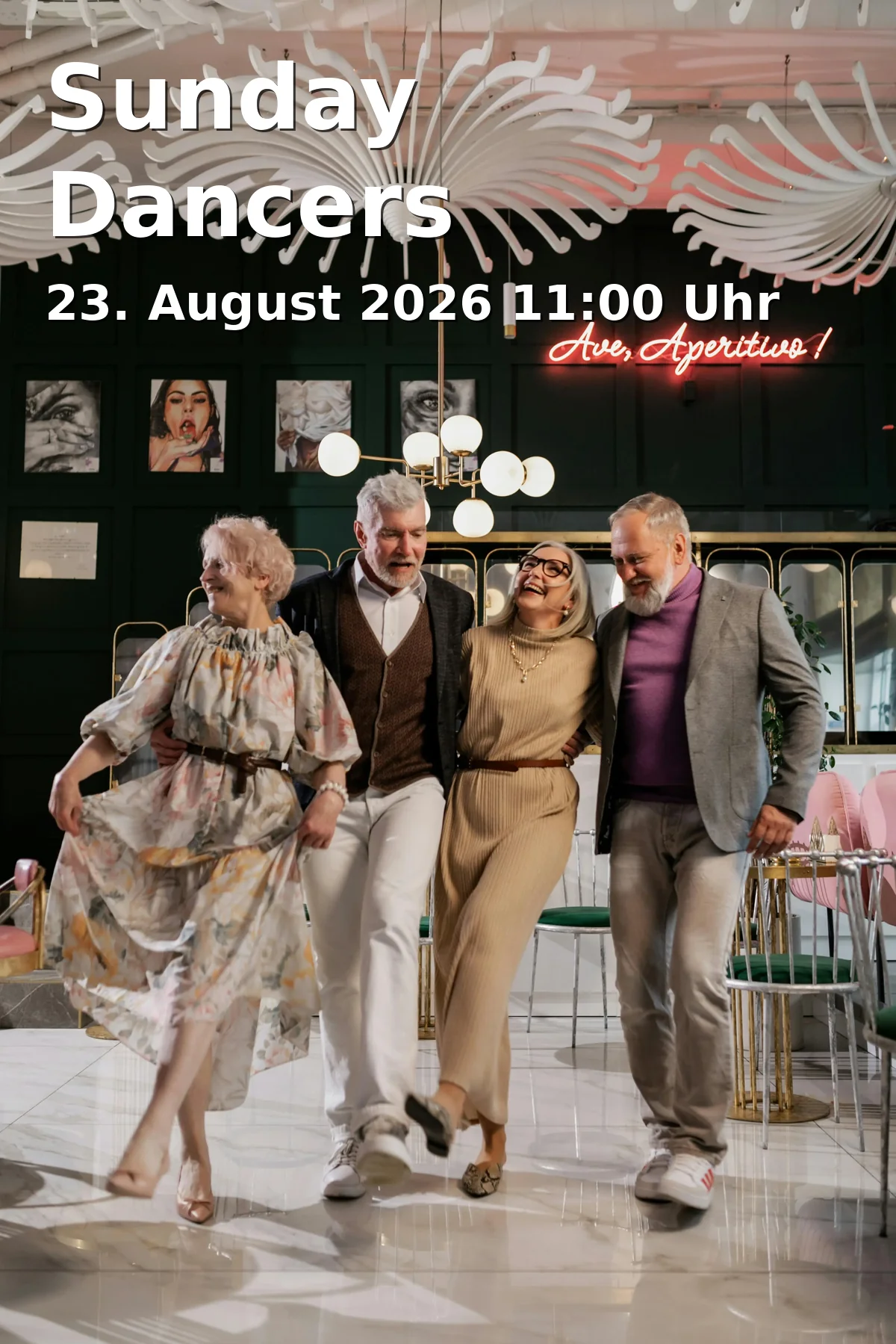
Sunday Dancers
Sunday Dancers brings Bochum into motion: dance, performance, and industrial charm in the Blower House. On 23.08.2026 at 11:00 AM, visitors will experience a special Sunday format. #Bochum #Dance
Spoken Acts – Young Word Art in Wonderland Bochum
Young voices, clear texts, strong stage moments: Spoken Acts transforms Wonderland Bochum into a place for word art. 23.08.2026, free entry. #Literature

Triennale Teens Talk
Young perspectives meet festival atmosphere in Wonderland Bochum. Triennale Teens Talk on 27.08.2026 at 16:00, free admission. #Ruhrtriennale #Bochum
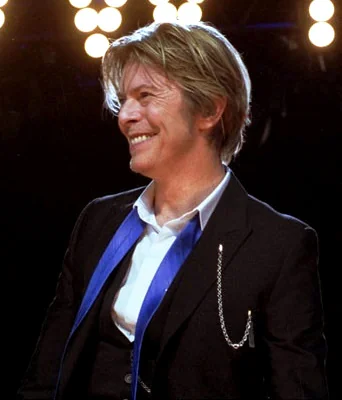
Rebel Rebel: David Bowie Music Theater in Bochum
David Bowie's music as grand music theater in Bochum: Rebel Rebel combines stage, dance, and sound for the premiere of the Ruhrtriennale. 27.08.2026, 20:30. #Ruhrtriennale #Bochum
Europe
A theater evening full of power and memory in Bochum: Europe brings grand images, strong emotions, and festival atmosphere to the Jahrhunderthalle. August 28, 2026, 20:00. Discover now. #Ruhrtriennale
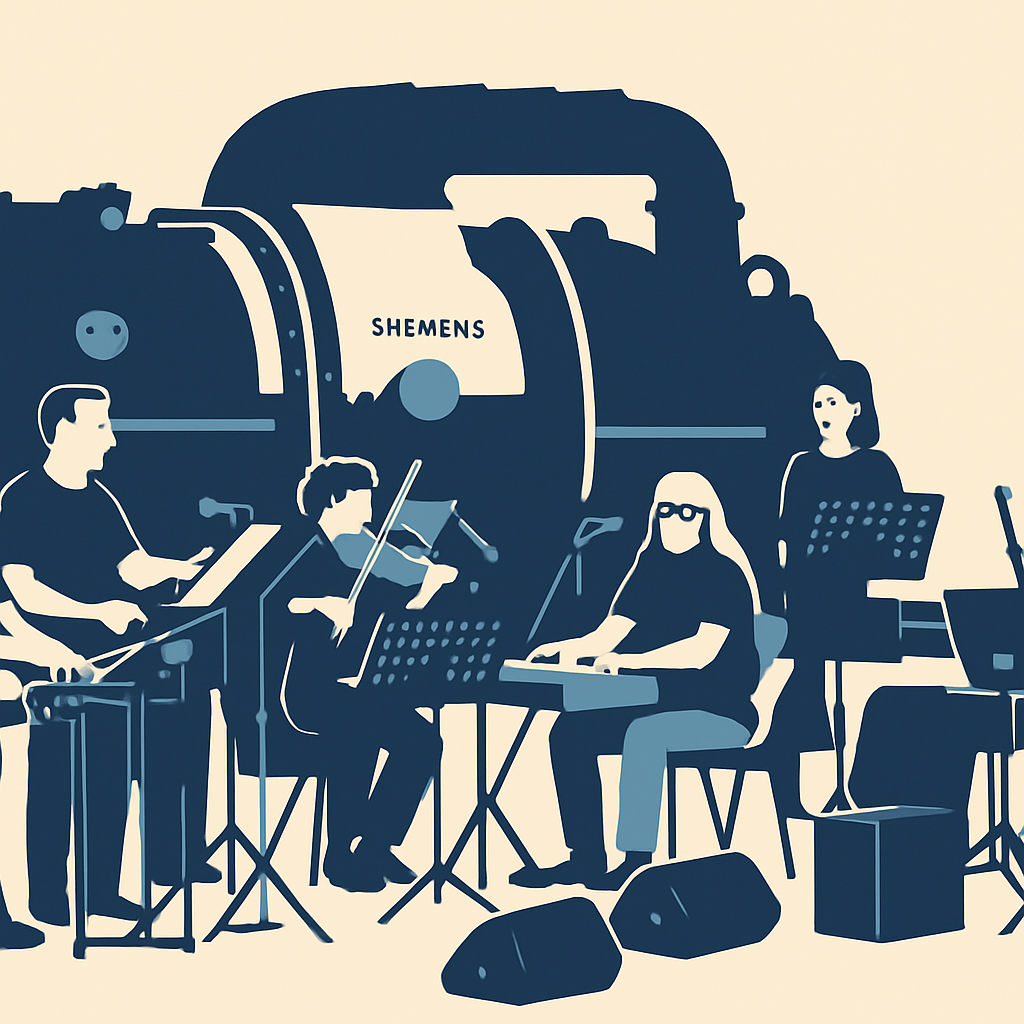
Meskerem Mees & Carlos Garbin at the Turbinenhall Concerts
Bochum experiences an evening full of quiet strength, blues, and proximity: Meskerem Mees & Carlos Garbin at the Turbinenhalle. 29.08.2026, tickets from 5 Euros. #Bochum #Live
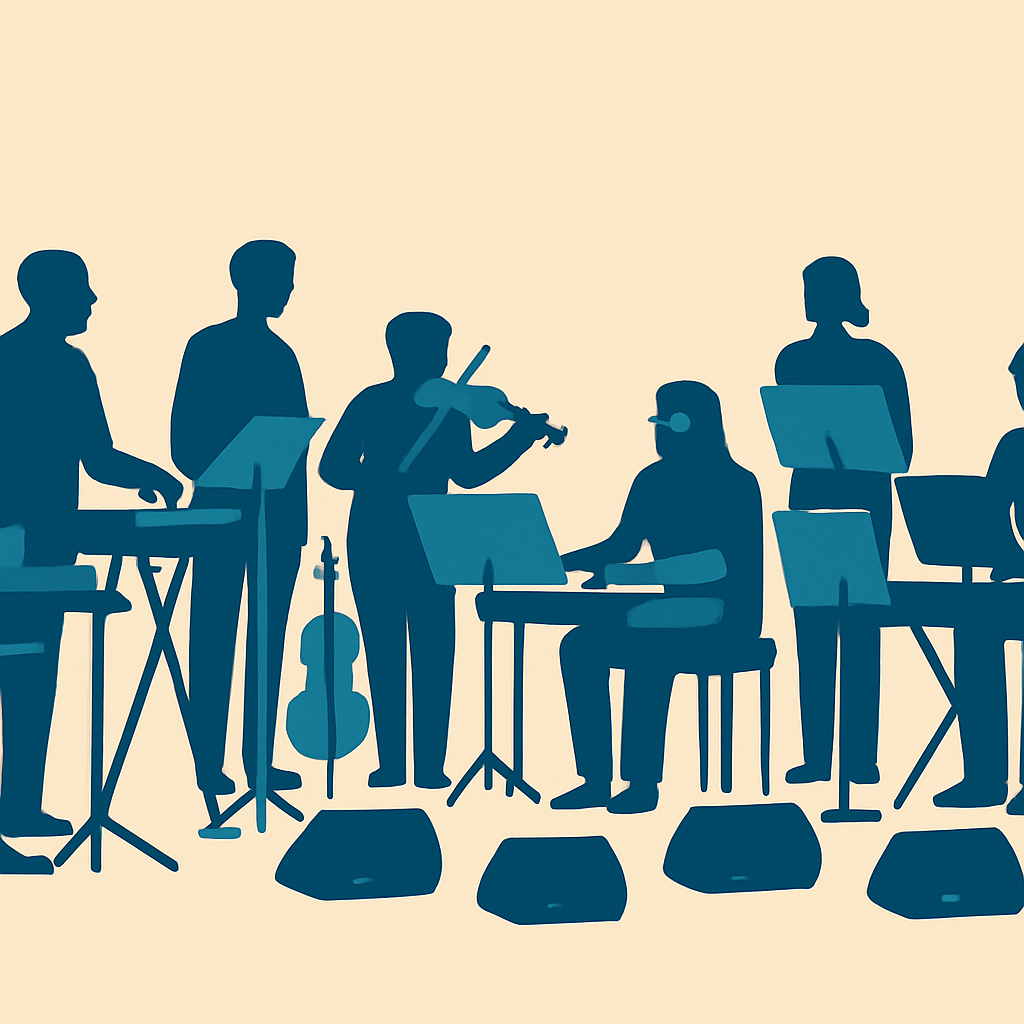
Turbine Hall Concerts in Bochum
Bochum experiences a night full of fine live moments in the Turbine Hall: curated acts, special acoustics, and festival flair. 05.09.2026, from 7.50 Euro. #Ruhrtriennale #Bochum
The Mystery of the Bulgarian Voices live in Bochum - Turbinenhallenkonzerte 2026
Archaic voices, great resonance, and Bochum's unique industrial atmosphere: The Mystery of the Bulgarian Voices live in the Turbinenhalle. #LiveConcert
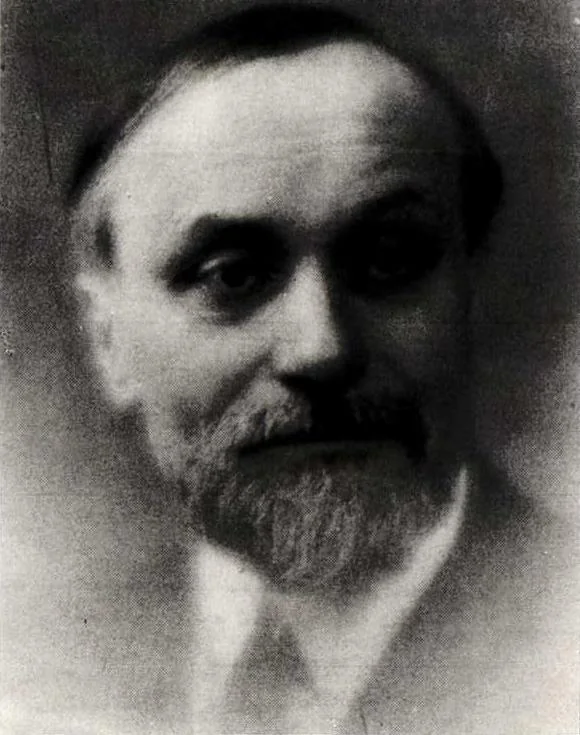
Erased Music: Roman Padlewski & Charles Tournemire
Bochum experiences an evening full of spiritual sound power and historical depth. Chorwerk Ruhr and the Bochum Symphony Orchestra let forgotten masters shine. #Ruhrtriennale
Frequently Asked Questions
Reviews
Jeff Kas
30. September 2025
Part of the industrial heritage tour in NRW (Ruhrgebiet) and this building belongs to the same heritage of many sites still existing. I think it is very wise to preserve coal and steel factories and mines as much as possible, as it tells a story and shows history why and how it was done, also the good, bad and ugly parts. Also, reuse of parts in/of buildings and factories for creativity, innovation, and culture makes it a unique experience.
Jörg Lütkemeier
17. August 2016
Historic site, stunning place for theatre and music and even amazing for the occasional dance party or rave. This 19th-century manufacturing facility was once the German Expo Pavilion in Paris and was transported back to Bochum. Today, it serves as a multi-purpose place for events. Located in a nice park with a beautiful bridge and a lot of industrial flair, this place isn't to be missed.
Tatjanaundklaus Markwald
10. May 2018
The Jahrhunderthalle is really beautiful, they always offer very nice events, definitely worth a visit. The former Gas Power Centre of the cast steel company „Bochumer Verein für Bergbau und Gußstahlfabrikation“, an industrial listed building from the year 1903, was reconstructed at the beginning of the millennium to a concert hall and extended by a large foyer and a cloakroom building. The historic construction could be sensitively toughened by means of continually cambered cables. The installation of a structural heating screed provided intelligent strengthening for the basement slabs. The new building construction of steel was abutted on an old external wall and suspended via the toughened cables on the existing construction. The extension of this protected, sophisticated structure with almost fully utilized components required an extremely cautious distribution of the additional forces in the old structure. Thanks to the ingenious structural framework planning, only a few parts of the old structure had to be strengthened. This resulted not only in a very economical solution but also appealed especially because of the barely recognizable intrusion in the old, listed basic structure of the building. The Jahrhunderthalle Bochum has been the main venue for the international cultural festival „Ruhrtriennale“ since the completion of the reconstruction in 2003.
Chia-yin Cheng
13. May 2024
Creative art space with stunning old structure of industrial buildings.
Edward F. Sodmann
17. July 2025
Wonderful location also for weddings and concerts. Great walks around the area, best recreation opportunities.